Optimal Fertilizer for Growing Tree peony: What You Need to Know
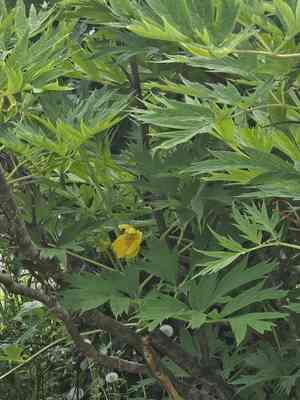
1
Tree peony flourishes optimally with fertilization in early spring as new shoots emerge.
2
A balanced fertilizer promotes strong blossoms and vibrant leaves.
3
Excessive fertilization may result in sparse blooms and fragile stalks.
Grasping Tree Peony's Fertilization Requirements
Nutrient Demands for Peak Development
Similar to many garden flora, Tree peony necessitates a balanced intake of vital nutrients to flourish. These encompass primary elements like nitrogen (N), phosphorus (P), and potassium (K), each serving a critical function. Nitrogen promotes foliage growth, phosphorus is crucial for root formation and blooming, while potassium aids in developing robust cell walls, ensuring plant vitality. Without these, your Tree peony might struggle to produce its characteristic large, stunning blossoms.
Evaluating Soil Fertility Prior to Nutrient Application
Before commencing fertilization, it's crucial to ascertain your soil's existing composition. Performing a soil analysis can help you determine current nutrient levels and soil pH. Tree peony thrives in slightly acidic to neutral soil (approximately 6.5 to 7.5 pH). You can acquire a home soil testing kit or submit a sample to a local agricultural extension. This data will guide your selection of the appropriate fertilizer and its correct application rates.
Climate's Influence on Fertilization Timelines
The local weather significantly impacts your fertilization schedule. Tree peony originated in areas with distinct seasons, thus it's adapted to periodic feeding. In colder regions, the growing period is shorter, making early spring fertilization, as new growth emerges, essential. Conversely, in warmer climates, dividing fertilization into smaller, more frequent doses might be necessary to prevent nutrient runoff due to increased precipitation.
Optimal Fertilizer Types for Tree Peony
Organic Versus Synthetic Nutrient Sources
When nourishing your Tree peony, you have the option of organic or synthetic fertilizers. Organic choices, such as compost and well-rotted manure, enhance soil health and provide a gradual release of nutrients. Synthetic fertilizers, conversely, offer a rapid nutrient boost. A balanced approach could involve integrating both types—utilizing organic matter to improve soil structure and synthetic fertilizers to address immediate nutrient deficiencies.
Recommended Nutrient Ratios
Tree peony benefits most from a balanced 10-10-10 fertilizer (10% nitrogen, 10% phosphorus, 10% potassium). This formulation supports comprehensive growth, ensuring the plant has sufficient nutrients for its leaves, roots, and flowers. For those preferring organic alternatives, compost blended with bone meal and potash can offer a comparable balance.
Seasonal Fertilizer Applications
The ideal time to fertilize Tree peony is in spring, precisely as new growth becomes visible. This timing allows the plant to absorb vital nutrients as it awakens from winter dormancy. An additional light feeding in autumn can also be beneficial, preparing the plant for the upcoming season, though avoid heavy fertilization that could stimulate late new growth susceptible to winter damage.
Applying Fertilizer to Tree Peony
Pre-Application Preparations for Fertilizer
Before applying fertilizer, ensure the area surrounding your Tree peony is clear of weeds and debris. Water the plant thoroughly the day before fertilizing to prevent root burn. For granular fertilizers, gently cultivate or loosen the soil around the base to aid nutrient absorption. Liquid fertilizers should be diluted according to the manufacturer's instructions to avoid excessive concentration.
Fertilizer Application Techniques
There are two primary methods for applying fertilizer: broadcast and targeted application. For the broadcast method, spread the fertilizer evenly around the base, covering an area equivalent to the branch spread. For a more targeted approach, apply the fertilizer in a circle approximately 30 cm (1 foot) from the stem, ensuring it reaches the feeder roots without risking root burn.
Fertilization Frequency and Timing
Fertilize Tree peony once in early spring, ideally as new growth emerges. Avoid fertilizing during the blooming period, as this can stress the plant. If your soil is particularly poor, a follow-up feeding in mid-summer might be advantageous, but always ensure you adhere to your plant's specific needs as determined by soil tests and health observations.
Assessing Fertilization Efficacy on Tree Peony
Indicators of Adequate Fertilization
Following fertilization, a well-nourished Tree peony will display vigorous growth, with deep green leaves and abundant flower buds. Blooms should be large and vibrant, and roots should exhibit healthy branching. Consistent performance year after year is a strong sign that your fertilization regimen is effective.
Recognizing Symptoms of Over or Under Fertilization
Look for signs of over-fertilization, such as yellowing foliage, weak stems, or excessive leaf growth with few flowers. Symptoms of under-fertilization might include stunted development, pale leaves, and poor blooming. Both conditions necessitate a reevaluation of your fertilization practices to restore equilibrium.
Adjusting Fertilization Practices Based on Plant Response
Regularly observe your Tree peony to modify your fertilization schedule as necessary. If you notice signs of nutrient deficiency, you may need to increase the frequency or amount of fertilizer. Conversely, indications of over-fertilization should prompt a reduction. Always aim to fulfill your plant's specific requirements as evidenced by its growth and health patterns.



