Optimal Fertilizer for Growing Money tree: What You Need to Know
1
Feed your Money tree in summer to supply essential nutrients during its most active growth period.
2
Ensure the soil is moist prior to fertilization to avoid damage to the roots.
3
Stick to a balanced NPK blend like 10-10-10 for complete nutrient provision.
Deciphering Money Tree Fertilization Requirements
Recognizing Indicators of Nutrient Deficiencies
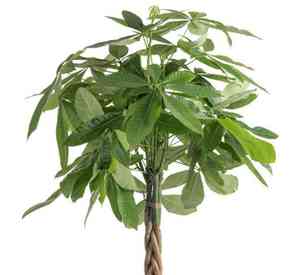
A flourishing Money tree exhibits lustrous, deep green leaves. Should your plant experience nutrient deficits, you might observe symptoms such as leaf chlorosis, stunted development, or brown blemishes. These signs suggest an inadequate supply of vital nutrients, making proper feeding essential for its vitality.
The Function of Essential Macro and Micronutrients
Major nutrients like nitrogen (N), phosphorus (P), and potassium (K) are critical for plant development. Nitrogen promotes foliage production, phosphorus aids root expansion, and potassium boosts overall plant vigor. Trace elements, including iron, magnesium, and calcium, though required in smaller amounts, are equally crucial for the plant's complete functionality and well-being.
Seasonal Shifts in Fertilization Demands
Money tree fertilization needs vary throughout the year. During summer, when the plant is actively developing, it requires more nourishment to support new growth. Reducing nutrient application in autumn and winter can prevent excessive feeding, as the plant's growth naturally decelerates.
Selecting the Appropriate Fertilizer for Money Tree
Organic Versus Synthetic Nutrient Sources
Both natural and chemical fertilizers present advantages and disadvantages. Organic options, derived from biological sources, enrich the substrate and release nutrients gradually. Synthetic fertilizers, composed of chemical compounds, offer immediate nourishment to plants. The choice hinges on your cultivation philosophy and the immediate requirements of your Money tree.
Interpreting Fertilizer Labels: NPK Ratios
Understanding the NPK ratios on fertilizer packaging is vital. These figures indicate the percentage of nitrogen, phosphorus, and potassium, respectively. For a balanced nutrient profile, a 10-10-10 ratio is frequently recommended for Money trees. This delivers an equitable proportion of each macronutrient, supporting various aspects of plant health and development.
Tailoring Fertilization to Your Plant's Development Stage
Nutrient requirements change across different growth phases. Juvenile Money trees benefit from balanced fertilizers that encourage root and foliage expansion. Mature plants might need more specific nutrients based on their condition. Regular assessment of your plant's development stage can help customize fertilization effectively.
Correctly Applying Fertilizer to Your Money Tree
Step-by-Step Fertilizer Application Process
Begin by selecting the suitable fertilizer. Thoroughly moisten the soil prior to application to prevent root burn. Disperse the fertilizer uniformly around the base, ensuring it does not directly contact the stems. Re-water after applying the fertilizer to help nutrients reach the roots. Always adhere to the manufacturer's instructions regarding dosage.
Recommended Fertilization Frequency
Throughout the summer, the Money tree can receive fertilizer once monthly. Consistent, but not overly frequent, nutrient application ensures the plant stays healthy without the risk of nutrient excess. Decrease the frequency in autumn and cease entirely in winter when the plant's growth slows down.
Common Fertilizing Errors to Avoid
Refrain from over-fertilizing, as this can lead to nutrient toxicity and root damage. Never apply fertilizer to dry soil, as it can harm the root system. Adhere to recommended dosages and avoid using fertilizers high in a single nutrient, which can disrupt the plant’s overall nutritional balance.
Assessing Fertilization's Impact on Money Tree
Observing Growth Patterns and Health Alterations
Post-fertilization, monitor your Money tree for enhanced development and healthier foliage. Look for vibrant, glossy leaves and consistent growth rates. Any adverse reactions such as yellowing or wilting should be promptly addressed by adjusting your feeding regimen.
When to Modify Your Fertilization Approach
If your Money tree is not responding favorably or displays signs of over-fertilization, revise your strategy. Less frequent feeding or a change in fertilizer type might be necessary. Always adjust based on the plant’s visible health and developmental patterns.
Utilizing Soil Analysis to Guide Fertilization
Perform regular soil tests to ascertain nutrient levels and pH balance. Soil analysis can inform you about specific deficiencies, enabling you to customize your fertilization approach to meet your Money tree's exact requirements, ensuring it receives a precise blend of necessary nutrients.



