Optimal Fertilizer for Growing Money tree: What You Need to Know
1
For superior outcomes, consistently apply a balanced nutrient solution, like a 20-20-20 blend.
2
Money trees thrive with a once-a-month nutrient boost throughout the summer season to encourage robust development.
3
Refrain from excessive feeding, as this can cause root damage and foliage discoloration.
Deciphering Money Tree Fertilization Requirements
Nutrient Essentials for Peak Growth
Like all plants, the Money tree prospers when supplied with vital nutrients. For optimal development, a balanced combination of nitrogen (N), phosphorus (P), and potassium (K) is key. Nitrogen supports foliage production, phosphorus is vital for root and bloom formation, and potassium enhances general plant wellness and disease resistance. Beyond NPK, trace elements such as iron, magnesium, and calcium are also significant.
Signs of Nutrient Deficiencies in Money Trees
A Money tree may display various symptoms indicating a lack of specific nutrients. Yellowing leaves frequently suggest a nitrogen deficit, while stunted development and pale foliage can point to a phosphorus deficiency. Potassium insufficiency might manifest as brown scorching or curling at the leaf edges. Early identification of these indicators will assist in corrective action before your plant's health significantly declines.
Selecting the Appropriate Fertilizer for Your Money Tree
Organic Versus Synthetic Fertilizers: Advantages and Disadvantages
The choice between organic and synthetic fertilizers is a personal one, influenced by your gardening philosophy and your Money tree's specific needs. Organic fertilizers, sourced from plants or animals, release nutrients slowly and improve soil quality, but their nutrient content can fluctuate. Synthetic fertilizers, conversely, offer precise nutrient delivery and act quickly, though they might not boost long-term soil fertility. Both categories have their distinct pros and cons.
Recommended NPK Blend for Money Trees
For Money trees, a balanced NPK ratio, such as 20-20-20, is perfect. This blend ensures your plant receives equal amounts of nitrogen, phosphorus, and potassium. Adhering to the manufacturer's directions for application rates is crucial to prevent over-fertilization, which can harm your plant.
Best Practices for Money Tree Fertilization
Seasonal Fertilization Regimen
The ideal time to fertilize Money trees is during their period of active growth, typically in the summer. During these months, aim to fertilize your Money tree once per month. As the plant enters its dormant phase in autumn and winter, decrease fertilization frequency to avoid nutrient accumulation in the soil.
Proper Fertilizer Application Techniques
When applying fertilizer, it's essential to thoroughly water your Money tree before adding the product. This helps prevent root damage. You can use a liquid fertilizer diluted with water or spread granular fertilizer evenly across the soil surface. Always adhere to the dilution ratios specified on the fertilizer packaging. After application, water the plant again to help nutrients reach the root system.
Common Fertilization Errors to Avoid
Steer clear of frequent errors like over-fertilizing, which can cause nutrient burn and injure the plant. Using a fertilizer with an incorrect NPK ratio can also stress the plant. Never apply fertilizer to dry soil, as this can lead to root damage. Finally, always ensure you are following the correct seasonal fertilization schedule.
Monitoring Money Tree Health Post-Fertilization
Indicators of Effective Fertilization
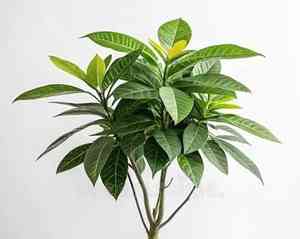
Successful fertilization is evident through healthy, vibrant leaves and consistent development. New foliage should be bright green, and the plant as a whole should appear lush. Additionally, a well-fertilized Money tree may develop thicker stems and show enhanced resistance to pests and diseases.
Adapting Fertilization Strategies Based on Plant Reaction
If your Money tree exhibits signs of over-fertilization, such as browned leaf tips or sudden leaf loss, reduce the frequency or concentration of your fertilizer applications. Conversely, if there's minimal to no growth during the active season, you might need to adjust the NPK ratio or consider adding micronutrients. Observing and responding to your plant's specific requirements will lead to optimal growth.



