Optimal Fertilizer for Growing Lindheimer's beeblossom: What You Need to Know
1
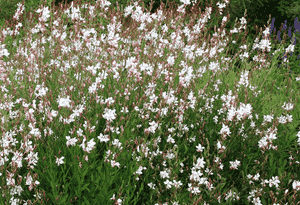
Lindheimer's beeblossom flourishes in soil that drains well and benefits from occasional, mild feeding.
2
Excessive fertilization may result in an accumulation of salts in the soil, potentially harming Lindheimer's beeblossom's root system.
3
The optimal period to fertilize Lindheimer's beeblossom is in early spring as the plant commences its growth phase.
Grasping the Fertilization Requirements of Lindheimer's beeblossom
Importance of Correct Fertilization for Plant Vitality
Appropriate fertilization is crucial for the well-being and development of Lindheimer's beeblossom. Supplying the correct nutrients enables the plant to produce more vigorous flowers and foliage, boosting its overall health. Fertilizers deliver vital elements like nitrogen, phosphorus, and potassium, which plants may not always acquire from the soil. For Lindheimer's beeblossom, balanced nutrient absorption can lead to more consistent flowering and improved resistance to pests and diseases.
Determining Nutrient Needs Specific to Lindheimer's beeblossom
Lindheimer's beeblossom generally needs a balanced fertilizer with a slightly elevated phosphorus content to encourage blooming. Nitrogen supports leaf development, while potassium aids overall plant health. Micronutrients such as magnesium and iron are also beneficial but are required in smaller quantities. A slow-release fertilizer or one blended with organic material can supply these nutrients steadily over time.
Selecting the Appropriate Fertilizer for Lindheimer's beeblossom
Evaluating Various Fertilizer Types
When choosing a fertilizer for Lindheimer's beeblossom, it's vital to consider your plant's particular demands. There are three primary fertilizer forms: granular, liquid, and slow-release. Granular fertilizers are simple to apply and are suitable for established plants. Liquid fertilizers quickly deliver nutrients to the roots but necessitate more frequent applications. Slow-release fertilizers gradually provide nutrients over time, which can be especially beneficial for steady growth. Understanding your garden's specific requirements will help you make the optimal choice.
Organic Versus Synthetic Fertilizers: Which is Superior?
Organic fertilizers like compost, fish emulsion, and manure supply essential nutrients while enhancing soil texture and health. They release nutrients slowly, reducing the risk of over-fertilization. Synthetic fertilizers, conversely, offer balanced and immediate nutrient availability. However, they can lead to a buildup of salts in the soil over time. For Lindheimer's beeblossom, a combination of both can be advantageousâusing organic fertilizers to improve soil health and slow-release synthetic options for targeted nutrient delivery.
Optimal Fertilizing Methods for Lindheimer's beeblossom
Best Period to Fertilize for Enhanced Flowering
The ideal time to fertilize Lindheimer's beeblossom is in early spring, just as the plant begins its growth phase. This timing ensures that the roots receive the necessary nutrients to support new growth and flower production. Applying fertilizer at this point helps the plant build reserves and produce more abundant blooms throughout the growing season. Avoid fertilizing in late summer or fall, as this can stimulate new growth vulnerable to frost damage.
Step-By-Step Guide to Fertilizing Lindheimer's beeblossom
Prepare the soil by loosening it around the plant's base.Select a balanced fertilizer, preferably a slow-release type.Distribute the fertilizer evenly around the base, ensuring it's not too close to the stem.Water the plant thoroughly after applying the fertilizer to help it penetrate the soil.Observe the plant over the subsequent weeks to confirm a positive response. Adjust the fertilizer amount if needed, based on plant performance and soil test results.
Common Fertilization Errors and How to Prevent Them
Over-Fertilization: Indicators and Remedies
One of the most frequent errors gardeners make is over-fertilizing. Signs of over-fertilization in Lindheimer's beeblossom include yellowing leaves, brown leaf tips, and stunted growth. To rectify this, first, stop fertilization immediately. Flush the soil with water to help remove excess salts and check soil pH levels. Reducing the frequency and quantity of fertilizer applied will also prevent future problems.
Understanding Soil pH's Impact on Fertilizer Effectiveness
Soil pH influences your plant's capacity to absorb nutrients. Lindheimer's beeblossom prefers slightly acidic to neutral soil (pH 6.0-7.0). If the pH is too high or too low, nutrient uptake can be hindered, even if the soil contains sufficient nutrients. Regular soil tests can help you monitor pH levels. If your soil is too acidic, adding lime can assist. If it's too basic, applying sulfur can lower the pH. Adjusting the pH ensures your fertilizers are efficient.
Maintaining Lindheimer's beeblossom After Fertilization
Regular Monitoring and Necessary Adjustments Post-Fertilization
After fertilizing, it's crucial to consistently observe your plant's health and development. Look for signs of nutrient deficiencies or excesses, and modify your fertilizing routine accordingly. Seasonal soil tests can offer valuable insights into soil nutrient levels and pH, allowing you to fine-tune your fertilization strategy. Consistent monitoring and timely adjustments will ensure that Lindheimer's beeblossom receives the correct nutrients in the appropriate amounts.
Long-Term Care Advice to Ensure Continuous Blooming
To ensure ongoing blooming and overall plant health, maintain a consistent watering schedule, and provide occasional boosts of compost or organic matter. Pruning spent flowers encourages new blooms and prevents the plant from expending energy on seed production. Mulching around the plant's base can help retain soil moisture and regulate temperature. By combining these long-term care techniques with your fertilization routine, Lindheimer's beeblossom can flourish, offering a beautiful display season after season.



