Optimal Fertilizer for Growing Narrowleaf evening primrose: What You Need to Know
1
Narrowleaf evening primrose thrives with nutrient application in early spring, promoting strong development through spring and summer.
2
A balanced fertilizer, containing equivalent amounts of nitrogen, phosphorus, and potassium (N-P-K), provides comprehensive nutrition for your Narrowleaf evening primrose.
3
Excessive fertilization can be as detrimental as insufficient feeding. Adhere to suggested quantities to prevent plant distress.
Understanding Nutrient Requirements for Narrowleaf evening primrose
The Significance of Nutrients for Narrowleaf evening primrose Development
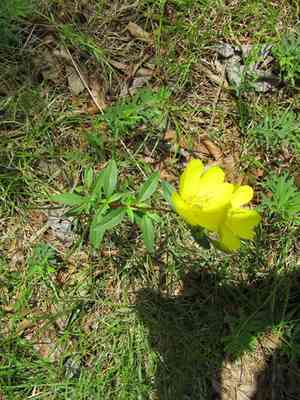
Narrowleaf evening primrose (Oenothera fruticosa) needs a proper balance of nutrients for healthy development. These include vital elements such as nitrogen (N), phosphorus (P), and potassium (K). Nitrogen encourages foliage growth, phosphorus assists in root formation and flower production, and potassium boosts overall plant vigor and disease resistance. Correct feeding ensures the plant stays robust and produces its characteristic yellow blossoms in abundance.
Recognizing Indicators of Nutrient Deficiencies
Identifying nutrient deficiencies in Narrowleaf evening primrose helps in addressing their needs promptly. Common signs include yellowing foliage (nitrogen deficiency), poor blooming (phosphorus deficiency), and weakened stems (potassium deficiency). Regular observation of the plant can help you spot these indicators early, allowing for timely corrective actions.
Selecting the Appropriate Fertilizer
Various Kinds of Fertilizers
Choosing the right fertilizer for your Narrowleaf evening primrose involves understanding the types available. Fertilizers come in various forms, including granular, liquid, and slow-release. Granular fertilizers are simple to apply and offer a consistent nutrient supply. Liquid fertilizers are rapidly absorbed by the plant, providing a quick nutrient boost. Slow-release fertilizers, conversely, deliver nutrients gradually over an extended period, reducing the risk of over-fertilization.
Natural vs. Synthetic Fertilizers for Narrowleaf evening primrose
When it comes to choosing between organic and synthetic fertilizers, both have their benefits. Organic fertilizers, derived from natural sources, improve soil structure and foster beneficial microorganisms. Examples include compost, manure, and fish emulsion. Synthetic fertilizers, created through chemical processes, provide precise nutrient ratios and are readily available to plants. For Narrowleaf evening primrose, a balanced approach using both types can offer the advantages of both immediate and long-term nutrient availability.
How to Apply Fertilizer to Narrowleaf evening primrose
Optimal Practices for Fertilizer Application
Applying fertilizer to Narrowleaf evening primrose involves a few best practices to ensure effectiveness. Start by following the manufacturerâs instructions on the fertilizer package. Generally, evenly distributing the fertilizer around the base of the plant, avoiding direct contact with stems and leaves, helps prevent fertilizer burn. Watering the plant thoroughly after application aids in nutrient absorption and prevents root damage.
Seasonal Fertilizing Advice
The ideal time to fertilize Narrowleaf evening primrose is in early spring, just as new growth commences. This timing helps provide the necessary nutrients for the plant to flourish throughout the growing season. A second application in mid-summer can support continued blooming and growth. Avoid fertilizing in late fall or winter as the plant enters dormancy and nutrient uptake is minimal.
How Frequently Should You Fertilize?
The frequency of fertilizing Narrowleaf evening primrose depends on the type of fertilizer used. Granular and slow-release fertilizers generally require fewer applications, typically once or twice a season. Liquid fertilizers, because they're rapidly used by the plant, may need more frequent applications, roughly every 4-6 weeks during the growing season. Regardless of the type, monitoring plant health and adjusting as needed is crucial.
Potential Hazards and How to Prevent Them
Preventing Excessive Fertilization
Over-fertilization can lead to several problems, including root damage, reduced blooming, and even plant death. To avoid this, always adhere to recommended dosages and consider conducting a soil test to determine the nutrient levels before applying fertilizer. Using a slow-release fertilizer can also mitigate the risk of over-fertilization by providing a gradual supply of nutrients.
Symptoms of Fertilizer Damage in Narrowleaf evening primrose
Fertilizer burn appears as yellow or brown leaf edges, wilting, and stunted growth. It is caused by excessive fertilizer salts accumulating in the soil, leading to dehydration of plant tissues. To remedy this, flush the soil with plenty of water to dilute the salts and remove excess fertilizer. Corrective steps should be taken promptly to prevent long-term damage to the plant.



