Optimal Fertilizer for Growing Holy basil: What You Need to Know
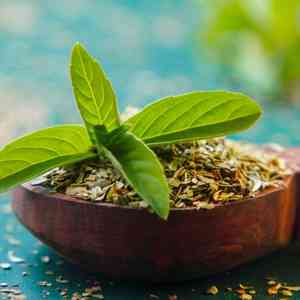
1
Sweet basil thrives in consistently damp soil; excessive fertilization can harm the plant.
2
Applying natural fertilizers can enhance soil quality and promote sustained plant vitality.
3
An even nitrogen, phosphorus, and potassium proportion guarantees your Holy basil receives complete nourishment.
Understanding Fertilizer Needs for Holy basil
Why Fertilizing Holy basil Is Crucial
Supplying nutrients to Holy basil is vital for its continued development and vigor. While this herb is generally robust, proper and timely fertilization significantly enhances its foliage and overall botanical health. Fertilization sustains the plant, fostering lush green leaves that are potent for both culinary and therapeutic uses. Without adequate nourishment, Holy basil may struggle, resulting in weak growth and diminished aromatic qualities.
Key Nutrients Required by Holy basil
For prime development, Holy basil needs a spectrum of nutrients, predominantly nitrogen (N), phosphorus (P), and potassium (K). Nitrogen supports leaf expansion and chlorophyll production, phosphorus aids root and bloom development, and potassium boosts overall plant resilience. Furthermore, trace elements such as magnesium, calcium, and iron play crucial roles in maintaining a balanced nutrient profile for the plant.
Signs of Nutrient Deficiency in Holy basil
Identifying nutrient deficits in Holy basil can help you take prompt corrective actions. Common indicators include: yellowing foliage, often signaling a nitrogen shortage; poor root development due to insufficient phosphorus; and weakened stems or leaves from a potassium deficit. Addressing these issues swiftly with appropriate fertilization can restore plant vitality.
Choosing the Right Fertilizer for Holy basil
Types of Fertilizers: Organic vs. Synthetic
When nourishing Holy basil, you have choices between natural and chemical fertilizers. Organic options like compost and vermicompost are excellent for improving soil health and providing a gradual, steady nutrient release. On the other hand, synthetic fertilizers offer convenience and rapid effects. Both types can be effective, but incorporating organic choices often yields superior long-term benefits for your soil and plants.
Recommended NPK Ratio for Holy basil
For Holy basil, an even NPK (Nitrogen-Phosphorus-Potassium) ratio of 10-10-10 is typically advised. This ensures the plant receives equally distributed nourishment for vigorous foliage, strong root systems, and disease resistance. Adjustments might be necessary based on soil analysis and specific plant requirements, but beginning with a balanced ratio is a reliable strategy.
How and When to Apply Fertilizer to Holy basil?
Best Time of Year for Fertilization
The ideal period to fertilize Holy basil is during the summer. This is when the plant is actively growing and can best utilize the provided nutrients. Applying fertilizer in the early morning or late afternoon helps minimize moisture evaporation, ensuring the plant effectively absorbs the nutrients.
Proper Techniques for Fertilizer Application
For effective fertilization, follow these steps:Pre-moisten the Plant:Ensure the soil is damp before applying any fertilizer to prevent root damage.Distribute Evenly:Spread the fertilizer uniformly around the plant's base, keeping it about 2-3 cm (1 inch) away from the stems to avoid direct contact.Adhere to Instructions:Follow the recommended quantities on the fertilizer packaging to prevent overfeeding.Re-water:Lightly irrigate the plant after applying fertilizer to help dissolve the nutrients and facilitate absorption.
Common Mistakes to Avoid When Fertilizing
Fertilizing Holy basil can be straightforward, but steering clear of these common errors is vital for success:Excessive Fertilization:Too much fertilizer can lead to nutrient burn and stress the plant.Incorrect Timing:Applying fertilizer outside the optimal growth period can be ineffective.Disregarding Soil pH:Holy basil thrives in slightly acidic to neutral soil (pH 6.0-7.0). Ignoring soil pH can result in nutrient lockout.
Monitoring Holy basil After Fertilization
Assessing Plant Health and Growth Post-Fertilization
After feeding Holy basil, it's crucial to observe the plant's reaction. Look for signs such as vibrant green leaves, increased leaf size, and overall robust growth as positive indicators of successful fertilization. Conversely, continue checking for any signs of nutrient imbalance or stress, such as leaf discoloration or wilting.
Adjusting Fertilization Plans Based on Plant Response
Based on the plant's reaction, you may need to modify your fertilization strategy. If the plant shows signs of over-fertilization, decrease the frequency and amount of fertilizer applied. Conversely, if growth is sluggish, consider a soil test to ascertain if additional nutrients are needed. Fine-tuning your approach ensures Holy basil consistently receives the correct nutrient balance for thriving growth.



