Optimal Fertilizer for Growing Love-in-a-mist: What You Need to Know
1
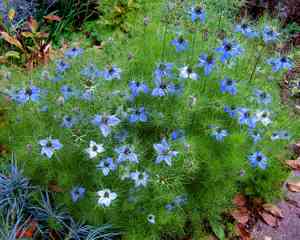
Love-in-a-mist thrives with a 10-10-10 NPK balanced fertilizer application in summer, encouraging robust development and brilliant flowering.
2
Excessive fertilization of Love-in-a-mist may result in abundant leaves but a reduced floral display; therefore, adhering to dosage guidelines is crucial.
3
Applying mulch around the foundation of Love-in-a-mist aids in moisture retention and delivers a gradual release of nutrients, improving the plant's general vitality.
Deciphering Love-in-a-mist's Nutritional Requirements
Ideal Nutrient Intake
Love-in-a-mist, a delightful annual, beautifies gardens with its delicate, lace-like foliage and airy blossoms. It flourishes best with a comprehensive supply of vital nutrients. To ensure your Love-in-a-mist thrives, it's essential to provide an optimal blend of nitrogen (N), phosphorus (P), and potassium (K). Nitrogen is critical for rich, green leaves, phosphorus promotes robust root development and lively flowers, while potassium boosts overall plant vitality and disease resistance.
Indicators of Nutritional Deficiencies
Recognizing nutrient shortages in Love-in-a-mist is crucial for prompt action. Typical indicators include yellowing leaves, arrested growth, and sparse blooms. A lack of nitrogen might cause older leaves to yellow, while inadequate phosphorus can lead to frail stems and sub-par flowering. Closely observe these signs to modify your fertilization schedule as needed.
Selecting the Appropriate Fertilizer for Love-in-a-mist
Fertilizer Varieties: Organic vs. Synthetic
Regarding Love-in-a-mist fertilization, you can choose between organic and synthetic options. Organic choices, like compost and well-rotted manure, enrich the soil and improve its composition. They release nutrients gradually, ensuring a steady supply. Conversely, synthetic fertilizers offer precise nutrient formulations and quick-release alternatives for immediate results. The decision depends on your gardening philosophy and your Love-in-a-mist plants' specific requirements.
Recommended NPK Ratio
For Love-in-a-mist, an evenly balanced fertilizer with a 10-10-10 NPK ratio is perfect. This equilibrium ensures the plant receives equal quantities of nitrogen, phosphorus, and potassium, fostering healthy development and spectacular blooms. Fertilizers with this ratio are widely available at garden centers. Apply judiciously, especially during the summer season when the plant is actively growing.
Detailed Procedure: How to Fertilize Love-in-a-mist
Plant Preparation
Before applying any fertilizer, ensure your Love-in-a-mist is adequately hydrated. Water the plant thoroughly to prevent root damage from the fertilizer. Early morning or late afternoon is the best time to water, as it minimizes evaporation and allows the plant to absorb moisture effectively. Confirm the soil drains well, as waterlogged conditions can lead to root rot.
Application Frequency and Methods
Fertilizing Love-in-a-mist should be done sparingly. A general guideline is to fertilize once every four weeks during the growing season, which peaks in summer. When using granular fertilizer, scatter it evenly around the plant's base, avoiding direct contact with the stems. If using a liquid fertilizer, dilute it according to package directions and apply it as a soil drench. The key is consistent application without over-fertilizing.
Monitoring Plant Response
After fertilization, observe your Love-in-a-mist for any indications of improvement or issues. Healthy plants will exhibit vibrant foliage and abundant flowers. If you notice yellowing leaves or stunted growth, re-evaluate your watering and fertilization practices. Sometimes, excessive fertilizer can cause nutrient imbalances, so adjust based on the plant's reaction.
When to Refrain from Fertilizing Love-in-a-mist
Indicators of Excessive Fertilization
Over-fertilization can be just as harmful as a nutrient deficit. Look for signs such as excessive leaf growth with few flowers, scorched leaf margins, or wilting despite sufficient watering. If these symptoms appear, flush the soil with ample water to remove surplus nutrients and postpone fertilizing until the plant recovers.
Seasonal Considerations
While summer is the prime time for fertilizing Love-in-a-mist, it's vital to acknowledge seasonal shifts. During late fall and winter, the plant's growth slows down, and fertilizing can result in nutrient accumulation in the soil. Decrease or stop fertilization during these colder months to prevent over-fertilization and allow the plant to enter dormancy.



