Optimal Fertilizer for Growing Apple-of-peru: What You Need to Know
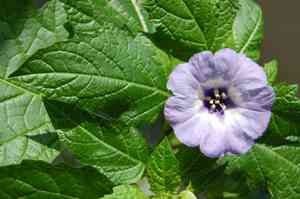
1
The Apple-of-peru thrives with a fertilizer containing balanced proportions of nitrogen, phosphorus, and potassium (N-P-K).
2
Keep an eye on your Apple-of-peru's foliage; yellowing leaves can indicate a nutrient shortage.
3
For optimal growth, feed your Apple-of-peru every 4 to 6 weeks during its summer growth period.
Deciphering Apple-of-Peru's Nutritional Requirements
Optimal Nutrient Balance for Apple-of-Peru
To foster a thriving Apple-of-Peru, providing the correct nutritional mix is crucial. This plant greatly benefits from a well-rounded fertilizer, ideally one containing equivalent amounts of nitrogen, phosphorus, and potassium, known by their N-P-K ratios. A 10-10-10 or 20-20-20 blend effectively meets this need. Nitrogen promotes abundant, green foliage; phosphorus encourages robust root growth and flowering; and potassium strengthens overall plant health and disease resistance.
Identifying Nutritional Deficiencies in Apple-of-Peru
Nutrient shortages can hinder your Apple-of-Peru's development, making early detection vital. Yellowing leaves often signal a nitrogen deficiency, whereas reddish or purplish tints on the foliage can point to insufficient phosphorus. Frail stems and poor flower production might suggest a lack of potassium. Regular inspection for these indicators can help you quickly resolve nutrient issues, keeping your plant strong and healthy.
Selecting the Appropriate Fertilizer for Apple-of-Peru
Organic Versus Synthetic Fertilizers: Advantages and Disadvantages
When choosing a fertilizer for your Apple-of-Peru, you'll need to weigh organic against synthetic options. Organic choices like compost and worm castings are eco-friendly and progressively enhance soil quality. They release nutrients slowly, reducing the chance of over-fertilization. Conversely, synthetic fertilizers, available as granules or liquid solutions, deliver nutrients more rapidly and are easier to apply with precise measurements. Your selection depends on your gardening preferences and environmental concerns. A combination of both can also be advantageous, offering the immediate benefits of synthetic products and the sustainability of organic ones.
Recommended Fertilizer Varieties and Brands for Apple-of-Peru
For those new to fertilizing Apple-of-Peru, some suggested fertilizer types include balanced granular products like Miracle-Gro All Purpose Plant Food or liquid formulations such as Dyna-Gro Liquid Grow. Organic alternatives like Espoma Plant-tone or Dr. Earth All Purpose Fertilizer blends are excellent choices. These products are readily available and designed to help your Apple-of-Peru achieve peak health and growth. Always adhere to package directions to ensure correct application and prevent over-fertilizing, which can cause root burn and other problems.
Applying Fertilizer to Apple-of-Peru
Optimal Fertilization Period for Apple-of-Peru
Timing is key when applying fertilizer to your Apple-of-Peru. The best period to fertilize this plant is during the summer, beginning in late spring as the growth season commences. Throughout summer, the plant is most actively growing and can efficiently absorb the provided nutrients. Refrain from fertilizing in winter when plant growth naturally slows, as this can lead to nutrient accumulation and potential harm.
Detailed Instructions for Fertilizer Application
Prepare the Soil: Gently loosen the soil around your Apple-of-Peru to aerate it and facilitate fertilizer penetration.Measure the Fertilizer: Use the amount specified on the fertilizer packaging. For liquid fertilizers, dilute according to instructions.Application: Distribute granules evenly around the plant's base, avoiding direct contact with stems. For liquid fertilizers, carefully pour the solution near the roots.Watering: After fertilizer application, thoroughly water the plant to help nutrients reach the roots. For dry granules, this process aids in their breakdown and nutrient dispersion.
How Frequently Should You Fertilize Your Apple-of-Peru?
The frequency of fertilizing your Apple-of-Peru depends on the fertilizer type and the plant's current condition. Typically, applying fertilizer every 4 to 6 weeks during the summer growing season will support optimal growth. Be attentive to signs of over-fertilization, such as burnt leaf edges, and adjust the frequency accordingly. Consistent, balanced fertilization ensures your plant receives a steady supply of essential nutrients without overwhelming the soil.
Post-Fertilization Monitoring of Your Apple-of-Peru
Observing the Plant's Reaction to Fertilizer
After fertilizing your Apple-of-Peru, carefully observe the plant for any changes. Positive responses include vibrant green leaves, strong and upright stems, and increased blooming. Conversely, negative reactions such as scorched leaves, wilting, or stunted growth may signal over-fertilization or nutrient imbalances. Regular monitoring allows you to fine-tune your care routine and address issues promptly.
Modifying Fertilization Practices Based on Plant Vigor
If your Apple-of-Peru shows signs of stress post-fertilization, do not worry. First, drench the soil with ample water to flush out excess salts and nutrients. Evaluate the plant's condition and adjust your fertilization frequency or dosage. For instance, if yellowing leaves reappear despite a consistent schedule, consider testing your soil's nutrient levels. This will help you understand necessary adjustments to maintain a healthy balance, ensuring your Apple-of-Peru flourishes beautifully throughout the season.



