Optimal Fertilizer for Growing Wild daffodil: What You Need to Know
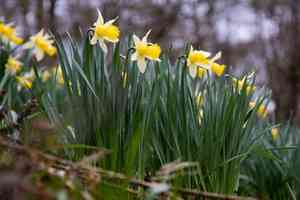
1
Wild daffodils thrive in rich, organic soil with good drainage. Applying mulch aids in moisture retention and boosts soil fertility.
2
The optimal period to feed Wild daffodils is from early to mid-spring, precisely when new shoots start to emerge.
3
Refrain from applying fertilizers high in nitrogen to Wild daffodils; excessive nitrogen promotes leafy growth over bloom production.
Understanding Fertilizer Needs for Wild daffodil
Nutrient Requirements Specific to Wild daffodil
Properly fertilizing your Wild daffodils can significantly enhance their vitality and flowering potential. These plants primarily require a balanced blend of nitrogen (N), phosphorus (P), and potassium (K). Nitrogen supports foliage development, phosphorus is crucial for bulb and root growth, and potassium contributes to overall plant health and resilience. However, Wild daffodils typically need less nitrogen compared to other flora. Excessive nitrogen can lead to abundant leaf growth with fewer blossoms, which is not desirable for daffodils.
Identifying Signs of Nutrient Deficiency
Recognizing the indicators of nutrient deficiency is vital for maintaining the health of your Wild daffodils. Common symptoms include yellowing foliage (chlorosis), stunted development, reduced flowering, and frail stems. Yellowing leaves often point to a nitrogen shortage, while poor blooming might suggest a lack of phosphorus. If you observe any of these symptoms, it's important to modify your fertilization regimen accordingly.
Choosing the Right Fertilizer for Wild daffodil
Types of Fertilizers: Pros and Cons
You have several fertilizer options for your Wild daffodils. Granular fertilizers are simple to apply and release nutrients slowly, making them ideal for sustained plant health. Liquid fertilizers provide a rapid nutrient boost but require more frequent application. Organic fertilizers, such as compost or manure, improve soil structure and deliver nutrients gradually. Synthetic fertilizers offer precise nutrient ratios but can sometimes cause nutrient runoff and imbalances.
Organic vs. Synthetic: What's Best for Your Wild daffodil?
The choice between organic and synthetic fertilizers depends on your gardening objectives. Organic fertilizers, like aged manure, compost, or bone meal, are excellent for enhancing soil health over time. They also promote beneficial soil microorganisms. In contrast, synthetic fertilizers provide exact nutrient content and immediate results. However, they can sometimes harm long-term soil health if used excessively. For Wild daffodils, a balanced approach combining organic matter with supplemental synthetic fertilizers can be advantageous.
How to Apply Fertilizer to Wild daffodil
Step-by-Step Guide to Fertilizing
Fertilizing your Wild daffodils is simple if you follow these guidelines:Select a balanced, slow-release granular fertilizer with an approximate ratio of 5-10-10.Apply the fertilizer in early spring when new shoots emerge.Distribute the fertilizer evenly over the soil surface, being careful not to let it touch the leaves or stems directly.Water the area thoroughly after application to help nutrients penetrate the soil.Mulch around your daffodils with organic material to retain moisture and enhance soil quality.
Common Mistakes to Avoid in Fertilizing
To achieve optimal results from fertilizing your Wild daffodils, steer clear of these common errors:Over-fertilizing: This can result in lush foliage but restricted blooming.Using nitrogen-rich fertilizers: Excessive nitrogen promotes leaf growth but diminishes flower production.Applying fertilizer too close to the plant base: Fertilizer should be uniformly spread to prevent root burn.Neglecting to water after fertilizing: Watering assists in delivering nutrients to the roots where they are needed.
Best Times to Fertilize Wild daffodil
Seasonal Fertilization Schedule
The ideal time to fertilize your Wild daffodils is during early to mid-spring. This aligns with their natural growth cycle and helps support robust foliage development and flowering. Generally, apply fertilizer just as the bulbs break dormancy and new shoots start to emerge. This timing ensures that the plants have the necessary nutrients during their active growth phase.
Fertilizing Wild daffodil in Different Climates
Climate significantly influences when and how you should fertilize your Wild daffodils. In warmer regions, where growth begins earlier, you might need to fertilize in late winter. In cooler areas, early to mid-spring is more suitable. Always consider local weather patterns and soil conditions. If uncertain, a soil test can provide insights into the specific nutrient requirements for your garden's environment.
How Often Should You Fertilize Wild daffodil?
Optimal Fertilization Frequency
For most Wild daffodils, a single fertilization in early spring is sufficient. However, if your soil is particularly poor or if you desire more vigorous blooms, you could consider a second, lighter application in late spring. Avoid multiple heavy applications, as this can be more detrimental than beneficial. Paying attention to your plants and observing their growth and health is essential for determining the best feeding frequency.
Adjusting Fertilization Based on Plant Health and Growth
Regularly observe your Wild daffodils for indications of health and vitality. If the plants display robust green growth and abundant blooms, your fertilization routine is effective. However, if you notice yellowing leaves, poor flowering, or other signs of nutrient deficiency, you may need to modify your fertilization practices. Perform a soil test to identify specific nutrient deficiencies and adjust your fertilization schedule as required.



