Optimal Fertilizer for Growing Curry leaf tree: What You Need to Know
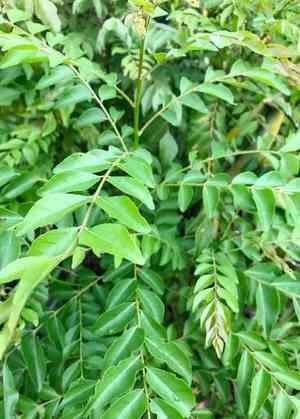
1
Curry leaf trees flourish with nutrient supplements in the warmer months.
2
Yellowing foliage and inhibited development may signal a lack of nutrients in your Curry leaf tree.
3
Organic and synthetic fertilizers each offer advantages and disadvantages; select based on your plant's requirements.
Grasping the Nutritional Requirements of Curry Leaf Trees
Crucial Nutrients for Strong Development
Every Curry leaf tree needs a mix of vital nutrients for robust growth. These include nitrogen, phosphorus, and potassium, known as N-P-K. Nitrogen is key for leaf growth and enhancing green color. Phosphorus aids root development and blooming, while potassium boosts overall plant health and disease resistance. For best results, use balanced fertilizers with an N-P-K ratio specifically for foliage plants.
Indicators of Nutrient Deficiencies
Spotting nutrient deficiency signs early can prevent significant damage. Common symptoms include yellowing leaves, possibly indicating nitrogen deficiency, and stunted growth, suggesting insufficient phosphorus. Additionally, poor root development and weak stems can be clear warning signs needing quick action. If these symptoms appear, adjust your fertilization routine immediately to restore plant health.
Selecting the Appropriate Fertilizer for Your Curry Leaf Tree
Fertilizer Varieties Suitable for Curry Leaf Trees
Choosing the correct fertilizer type is crucial for the Curry leaf tree. Slow-release granular fertilizers are very effective, providing a steady nutrient supply. Liquid fertilizers, conversely, offer an immediate nutrient boost when your plant shows deficiency signs. Powdered fertilizers are another option, mixed with water before use. Ensure your chosen fertilizer suits foliage plants and has a balanced N-P-K ratio.
Organic vs. Synthetic Fertilizers: Advantages and Disadvantages
Organic fertilizers, from natural sources like compost and manure, are excellent for enriching soil with organic matter and promoting long-term fertility. They release nutrients slowly, reducing over-fertilization risk. However, they might not provide nutrients fast enough for severely deficient plants. Synthetic fertilizers offer precise nutrient ratios and quick results, ideal for immediate nutrient correction. Yet, they can cause nutrient run-off if not applied correctly. Thus, weigh the pros and cons and choose based on your tree's specific needs.
Optimal Fertilization Methods for Curry Leaf Trees
Best Time for Fertilization
The ideal time to begin fertilizing your Curry leaf tree is during the summer. This is when the tree grows most vigorously and can best use extra nutrients. Fertilize every four to six weeks in summer to encourage healthy growth and development.
Step-by-Step Fertilizing Process
Select a suitable fertilizer based on the guidelines above. Measure the recommended amount according to the manufacturer's instructions. For granular fertilizers, spread them evenly around the tree's base, avoiding direct trunk contact. For liquid or powdered fertilizers, mix with water as directed and apply directly to the soil around the tree. Water the plant thoroughly after application to help nutrients penetrate the soil. Following these steps ensures your Curry leaf tree gets necessary nutrients effectively and safely.
Monitoring and Adjusting Fertilization for Improved Growth
Regular Observation for Peak Plant Health
Consistently monitoring your Curry leaf tree for health indicators can prevent minor issues from escalating. Check leaves, stems, and overall growth monthly. Yellowing leaves, wilting, or stunted growth signal that your tree might need more nutrients. Also, consider soil testing every few months to ensure optimal soil pH and nutrient levels.
Modifying Fertilization Based on Plant Response
Based on your observations and potential soil test results, adjust your fertilization accordingly. If your tree looks lush and healthy, maintain your current fertilization schedule. However, if you notice symptoms of under or over-fertilization, modify the type, amount, or frequency of fertilizer used. Remember, the goal is a balanced approach where the plant's nutritional needs are met without risk of nutrient burn or deficiency.



