Optimal Fertilizer for Growing Monstera obliqua: What You Need to Know
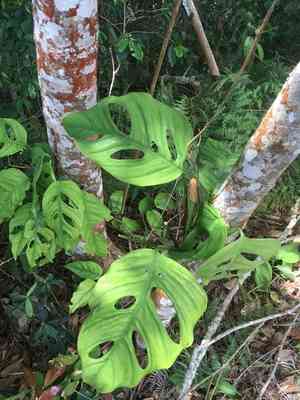
1
Monstera obliqua flourishes with consistent nourishment during its active growth phase, especially in warmer months.
2
Opt for a well-balanced, liquid plant food for peak nutrient uptake every one to one and a half months.
3
Excessive fertilization may lead to nutrient toxicity, harming the plant's root system and foliage.
Understanding Monstera obliqua's Nutritional Requirements
The Role of Nutrients for Monstera obliqua
Nourishing your Monstera obliqua is crucial for robust development and vivid leaves. Like all flora, Monstera obliqua needs a balanced intake of primary nutrientsânitrogen (N), phosphorus (P), and potassium (K). Nitrogen promotes lush, green leaf development, phosphorus ensures strong root formation, and potassium aids in building sturdy stems and disease resistance. Consistent feeding during its active growth period helps the plant achieve its full potential and display its characteristic fenestrated leaves.
Indicators Your Monstera obliqua Needs Feeding
Monstera obliqua will exhibit specific signs when it lacks adequate nutrients. Look for inhibited growth, yellowing foliage, or leaves smaller than usual. If these symptoms appear, it's time to review your feeding routine. Additionally, pale or yellow leaves can signal a nitrogen deficit, while weak stems might point to insufficient potassium.
Selecting the Appropriate Fertilizer for Monstera obliqua
Fertilizer Varieties Suitable for Monstera obliqua
Many fertilizer types exist, but not all are ideal for Monstera obliqua. Choose a balanced fertilizer with an N-P-K ratio of 10-10-10 or 20-20-20 to ensure equal proportions of vital nutrients. Water-soluble fertilizers are an excellent option as they allow for rapid nutrient uptake by the plant. Slow-release fertilizers can also be beneficial, providing a steady nutrient supply over time.
Organic vs. Synthetic Fertilizers: Which is Best?
The decision between organic and synthetic fertilizers often depends on personal preference and your plant's long-term health objectives. Organic fertilizers, such as compost or worm castings, enhance soil structure and offer a natural nutrient source. They are eco-friendly and reduce the risk of nutrient burn. Synthetic fertilizers, conversely, provide precise nutrient content and can deliver a quick nutrient boost. However, they can accumulate salts in the soil over time, potentially harming your plant if not managed correctly.
Step-by-Step Guide: Fertilizing Your Monstera obliqua
Preparing Your Plant and Work Area
Before fertilizing, ensure your Monstera obliqua is adequately watered to prevent root damage. Clear your workspace and gather necessary items, including your chosen fertilizer and a watering can. It's important to consult the fertilizer packaging for specific instructions on dilution and application.
Application Methods and Best Practices
Dilute the fertilizer as per instructions, as full-strength application could harm your plant. Pour the solution evenly around the plant's base, avoiding direct contact with the leaves. For water-soluble fertilizers, feed your plant every 4-6 weeks during summer. Slow-release fertilizers can be applied less frequently, depending on the product's guidelines. Always observe your plant's reaction and adjust the frequency or dosage as needed.
Monstera obliqua Fertilization Schedule
Frequency of Fertilizing Monstera obliqua
During the active growth period of summer, fertilize your Monstera obliqua every 4-6 weeks. This consistent feeding regimen will support vigorous growth and vibrant foliage. As the plant enters its dormant phase in fall and winter, decrease fertilization frequency to once every 2-3 months, or stop feeding entirely, allowing the plant to rest.
Adjusting Fertilization Based on Seasons and Plant Condition
Modify your fertilization schedule according to the plant's growth cycle and overall health. In spring and summer, more frequent feedings support active growth. During fall and winter, reduce or pause fertilization to prevent nutrient accumulation and allow the plant to conserve energy. If your plant shows signs of stress or nutrient deficiency, consider re-evaluating your fertilization regimen for adjustments.
Addressing Common Fertilization Issues with Monstera obliqua
Identifying Symptoms of Excessive and Insufficient Fertilization
Over-fertilization can lead to leaf scorch, characterized by brown or burnt leaf edges. You might also notice fertilizer salt buildup on the soil surface, stunted growth, or root damage. Under-fertilization, conversely, results in slow growth, yellowing leaves, and poor overall health. Understanding these signs can help you refine your fertilization practices more effectively.
Corrective Actions for Fertilization Mistakes
If you suspect over-fertilization, flush the soil with ample water to wash away excess fertilizer salts. Repotting the plant with fresh soil can also alleviate the problem. For under-fertilization, gradually reintroduce a balanced fertilizer, ensuring not to stress the plant by overcompensating. Maintaining a consistent and moderate fertilizing schedule can prevent future issues and promote healthy growth.



