Optimal Fertilizer for Growing Four o'clock flower: What You Need to Know
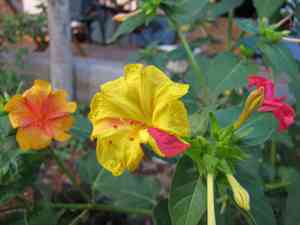
1
Four o'clock plants flourish most effectively with an equal NPK (Nitrogen, Phosphorus, Potassium) blend, such as 10-10-10.
2
Excessive fertilization may cause nutrient toxicity, shown by browned, burned leaf margins.
3
The ideal time to fertilize Four o'clock flowers is during Spring, precisely when fresh growth starts.
Understanding the Nutritional Requirements of Four o'clock Flowers
What Nutrients Are Essential for Four o'clock Flowers?
For optimal growth of your Four o'clock flower, grasping its specific nutrient demands is vital. These vivid bloomers, celebrated for their charming, multicolored blossoms that unfurl in the late afternoon, thrive on a balanced intake of primary nutrients. Nitrogen (N) promotes lush foliage, phosphorus (P) aids root development and flowering, and potassium (K) ensures robust plant vitality and disease resistance. Secondary elements such as calcium, magnesium, and sulfur also contribute to the plant's overall health, though required in lesser amounts.
The Importance of NPK Ratio for Four o'clock Flower Health
The NPK ratio, or the equilibrium of Nitrogen, Phosphorus, and Potassium, is a critical component when fertilizing your Four o'clock flower. A balanced NPK ratio, like 10-10-10, is ideal for these plants. Nitrogen encourages rich, green leaves, phosphorus is crucial for a strong root system and stimulates abundant flowering, and potassium assists the plant in resisting diseases and environmental stressors. Understanding this balance helps you select the correct fertilizer for your Four o'clock flower to thrive throughout the growing period.
Ideal Soil Conditions for Optimal Nutrient Absorption
The effectiveness of fertilization relies heavily on the soil conditions. The Four o'clock flower prefers well-drained, fertile soil with a slightly acidic to neutral pH (6.0-7.0). Before fertilizing, conduct a soil analysis to assess pH and nutrient levels. Amend the soil with organic matter, such as compost, to enhance its texture and nutrient content. Proper soil preparation ensures that fertilizer nutrients are efficiently taken up by your Four o'clock flower, supporting vigorous growth and vibrant blooms.
Selecting the Appropriate Fertilizer for Four o'clock Flowers
Organic Versus Synthetic Fertilizers: Which Option is Superior?
Choosing between organic and synthetic fertilizers can be complex. Organic fertilizers, including compost and manure, release nutrients gradually and improve soil structure. They are environmentally friendly but may have lower nutrient concentrations. Synthetic fertilizers, conversely, offer a rapid nutrient boost and are available in precise NPK ratios. They are convenient but do not enhance soil health. For Four o'clock flowers, combining both types can be advantageous – use organic matter to enrich the soil and a synthetic balanced fertilizer (10-10-10) during the growing season for a nutrient boost.
Best Fertilizer Formulas for Blooming Plants Like Four o'clock Flowers
Flowering plants such as the Four o'clock flower flourish with formulations that support both blooming and general growth. Seek balanced fertilizers (10-10-10) or those with slightly higher phosphorus content (e.g., 10-20-10) to promote more flowers. Granular slow-release fertilizers are excellent for sustained feeding, while water-soluble fertilizers can be used for faster nutrient uptake. Always adhere to the manufacturer's directions for application rates to prevent over-fertilization, which can harm the plant.
Timing Your Four o'clock Flower's Fertilization
Optimal Periods for Fertilization Annually
Timing is paramount for effective fertilization of your Four o'clock flower. The best time to fertilize is in Spring, right as new growth emerges. Spring fertilization encourages robust development and primes the plant for flowering. You can apply a balanced fertilizer every 4-6 weeks during the active growing season (spring through early fall). Refrain from fertilizing in late fall or winter, as the plant's growth slows, and excess nutrients will not be efficiently utilized.
Indicators That Your Four o'clock Flower Needs Nutrients
Your Four o'clock flower will exhibit signs if it requires fertilization. Look for sluggish growth, pale or yellowing foliage, and fewer or smaller blossoms. These signs point to nutrient deficiencies. Furthermore, if a soil test reveals low nutrient levels, it's time to fertilize. Nevertheless, always apply fertilizers judiciously, as excessive amounts can lead to nutrient burn and negatively impact plant vitality.
Method for Fertilizing Four o'clock Flowers
Step-by-Step Instructions for Fertilizer Application
Applying fertilizer to your Four o'clock flower involves several straightforward steps. First, thoroughly water the plant a day prior to fertilizing to avert root damage. Next, measure the recommended fertilizer quantity based on the package guidelines. For granular fertilizers, scatter them evenly around the plant's base, avoiding direct contact with the stem. Gently work the fertilizer into the topsoil layer and water again to aid nutrient penetration. For liquid fertilizers, mix the concentrate with water as instructed and apply directly to the soil. Repeat this procedure every 4-6 weeks during the growing period.
Safety Precautions While Handling Fertilizers
Safe handling of fertilizers is crucial for both your health and the plant's well-being. Always wear gloves and eye protection when applying fertilizers to prevent skin and eye irritation. Store fertilizers in a cool, dry location, out of reach of children and pets. Strictly follow the manufacturer's guidelines and avoid over-application, as this can harm your plants and pollute water sources. Proper disposal of fertilizer packaging ensures environmental safety. By observing these precautions, you can enjoy a healthy, thriving garden.
Addressing Common Fertilization Problems
Managing Fertilizer Burn in Four o'clock Flowers
Fertilizer burn is a frequent issue resulting from excessive fertilizer application, leading to brown, scorched leaf margins. If you observe these symptoms, saturate the soil with ample water to flush out surplus salts. Remove any damaged leaves and reduce or pause fertilizer applications until the plant recovers. Use a more diluted fertilizer solution next time to prevent recurrence.
Adjusting Fertilization for Different Climatic Conditions
Diverse climates can influence the fertilization needs of your Four o'clock flower. In cooler regions, the growing season is shorter, necessitating less frequent fertilization. In warmer, extended growing seasons, more regular feeding might be required. Always consider local weather patterns and adapt fertilization schedules accordingly to support healthy growth without over-saturating the plant with nutrients.



