Optimal Fertilizer for Growing Showy medinilla: What You Need to Know
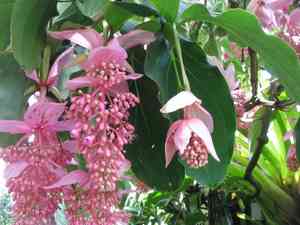
1
Feed Showy medinilla every 2-4 weeks in spring for best development.
2
Employing organic nutrients can enhance soil health over time.
3
Always thin out liquid feeds to prevent root damage.
Grasping the Nutritional Requirements of Showy medinilla
The Significance of Macronutrients for Showy medinilla
Macronutrients like nitrogen (N), phosphorus (P), and potassium (K) are vital for the vigorous growth of Showy medinilla. Nitrogen aids leaf development, phosphorus promotes root growth and flower formation, and potassium boosts the plant's overall resilience. Consistent provision of these nutrients keeps your Showy medinilla vibrant and thriving.
Crucial Micronutrients for Peak Development
While macronutrients are essential, micronutrients such as iron, magnesium, and zinc are equally important for Showy medinilla. These elements assist in various biochemical processes, including chlorophyll production and enzyme function. Deficiencies can cause stunted growth or yellowing leaves, signaling a need for a balanced fertilizer.
Selecting the Appropriate Fertilizer for Showy medinilla
Organic Versus Synthetic Fertilizers: Advantages and Disadvantages
Organic fertilizers, derived from natural sources, improve soil structure and microbial activity but often release nutrients slowly. Synthetic fertilizers offer a rapid nutrient boost but can lead to salt accumulation and soil degradation over time. Your choice depends on your long-term objectives and immediate requirements.
Recommended N-P-K Ratio for Abundant Blooms
For Showy medinilla, an N-P-K ratio of 10-10-10 or 20-20-20 is effective during the flowering season. This balanced blend ensures all necessary nutrients are supplied, fostering overall plant health and beautiful blossoms. Liquid fertilizers should be diluted to half-strength for young or recently repotted plants to prevent root damage.
Optimal Fertilizing Schedule for Showy medinilla
When to Fertilize During the Active Growth Period
Spring is the ideal time to begin fertilizing Showy medinilla, continuing every 2-4 weeks throughout the growing season. This ensures the plant receives steady nutrients to support new growth and flowering. Gradually reducing frequency in late summer helps the plant prepare for rest.
Adjusting Fertilization During Dormancy Periods
During winter, Showy medinilla enters a dormant phase, requiring less frequent fertilization. Fertilize sparingly, approximately once every 6-8 weeks, to avoid nutrient build-up, which can harm the plant. Always observe the plant's condition and adjust feeding accordingly.
Correctly Applying Fertilizer to Showy medinilla
Proper Methods for Fertilizer Application
When applying fertilizer, ensure the soil is moist to aid nutrient absorption and prevent root damage. Distribute the fertilizer evenly around the plant's base and water thoroughly afterward. For liquid fertilizers, use a watering can with a fine rose to avoid splashing onto leaves, which can cause scorching.
Avoiding Common Fertilizing Errors
Frequent errors include over-fertilizing, leading to nutrient burn, and under-fertilizing, resulting in poor development. Always adhere to the recommended dosage on the fertilizer packaging and observe your plant for any signs of nutrient deficiency or excess. Periodically rotate between different fertilizer types to provide a balanced nutrient profile.
Monitoring Showy medinilla After Fertilization
Indicators of Over-Fertilization and How to Remedy It
Signs of over-fertilization in Showy medinilla include yellowing leaves, leaf drop, and nutrient burn on leaf edges. If these symptoms appear, flush the soil with ample water to remove excess salts and cease fertilization until the plant shows signs of recovery. Regularly check the soil's condition to prevent recurrence.
Assessing Plant Health and Development Post-Fertilization
After fertilization, evaluate your plant's growth by observing new leaf and bloom development. Healthy, vibrant foliage and abundant flowers indicate successful fertilization. Conversely, stunted or discolored growth suggests nutrient imbalances that require correction. Keeping a record of fertilization schedules and plant responses can help optimize future practices.



