Optimal Fertilizer for Growing European crab apple: What You Need to Know
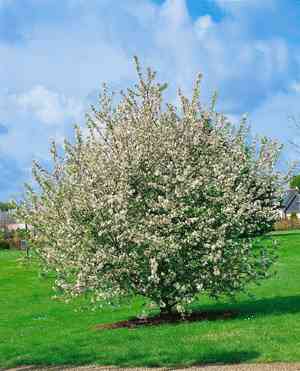
1
European crab apple trees thrive with nutrient application in early spring.
2
A 10-10-10 balanced fertilizer is perfect for European crab apple trees.
3
Excessive fertilization may lead to increased leaf growth and reduced fruit yield.
Understanding Fertilization Needs for European crab apple
Importance of Fertilizing European crab apple
Nourishing your European crab apple tree is vital for its health and vigor. These trees, like all plants, require essential nutrients to flourish. Nitrogen, phosphorus, and potassium are crucial for leaf development, root growth, and overall plant well-being, respectively. Without proper feeding, your European crab apple may show stunted development, poor blooming, and reduced fruit yield.
Optimal Timing for Fertilizing
The ideal time to feed a European crab apple tree is in early spring before it starts to bloom. This allows the tree to absorb nutrients and supports robust growth throughout the active season. Applying fertilizer during this period aids in the development of strong branches and lush foliage, contributing to improved fruit production later in the year.
Signs of Nutrient Deficiency in European crab apple
Nutrient shortages in European crab apple trees can be identified by various symptoms. Common indicators include yellowing leaves (suggesting nitrogen deficiency), poor root development (pointing to phosphorus deficiency), and weak branches or stems (which may indicate insufficient potassium). Recognizing these signs early enables timely intervention and correction, safeguarding your tree's overall health.
Choosing the Right Fertilizer for European crab apple
Types of Fertilizers: Pros and Cons
Fertilizers come in various forms, each with its advantages and disadvantages. Granular fertilizers are easy to apply and release nutrients slowly, while liquid fertilizers offer quick absorption and rapid results. However, liquid fertilizers might need more frequent applications. Understanding these benefits and limitations will help you select the best fertilizer type for your European crab apple tree's requirements.
Organic vs. Chemical Fertilizers for European crab apple
Organic fertilizers, such as compost and manure, enrich the soil with natural nutrients and improve its structure. They are environmentally friendly and provide a sustained nutrient supply. Conversely, chemical fertilizers are designed to deliver specific nutrient ratios quickly, but they can potentially cause soil imbalances and require careful application to prevent over-fertilization. Weighing these pros and cons is essential for making an informed decision on the best feeding approach for your tree.
Step-by-Step Guide to Fertilizing European crab apple
Preparing the Soil for Fertilization
Before applying nutrients, it's crucial to prepare the soil correctly. Begin by removing any grass or weeds around the tree's base, as they can compete for nutrients. Gently loosen the soil with a garden fork to aerate it, allowing better penetration of water and nutrients. Ensuring your soil is well-prepared sets the stage for effective fertilization and healthy tree growth.
Application Techniques for Effective Results
Applying fertilizer around the tree's drip lineâwhere the canopy's edge meets the groundâensures that nutrients reach the feeder roots efficiently. Scatter granular fertilizer evenly over this area, then water it in thoroughly to help the nutrients seep into the soil. For liquid fertilizers, follow the manufacturer's instructions for dilution and application rates, and apply evenly around the drip line. Consistent and correct application methods yield the best results for your European crab apple tree's growth.
Post-Fertilization Care Tips
After fertilizing, it's crucial to maintain proper tree care to maximize the benefits. Ensure your European crab apple tree receives adequate watering, especially during dry periods. Mulching around the base helps retain soil moisture and keeps weeds at bay, reducing competition for nutrients. Regularly monitor the tree for any signs of nutrient deficiencies or health issues, addressing them promptly to keep your tree thriving.
Frequently Asked Questions: Fertilizing European crab apple
How Often Should I Fertilize a European crab apple Tree?
Typically, feeding your European crab apple tree once a year in early spring is sufficient. Excessive fertilization can lead to abundant foliage growth at the expense of fruit production. However, young trees or those showing signs of nutrient deficiencies may benefit from a second application in late spring or early summer.
Can Over-fertilizing Harm My European crab apple?
Yes, excessive fertilization can harm your European crab apple tree by causing nutrient imbalances and environmental stress. Symptoms of over-fertilization include leaf burn, overly rapid growth, and reduced fruiting. It's crucial to follow recommended application rates and schedules to avoid these issues and promote the overall health of your tree.



