Optimal Fertilizer for Growing Osage orange: What You Need to Know
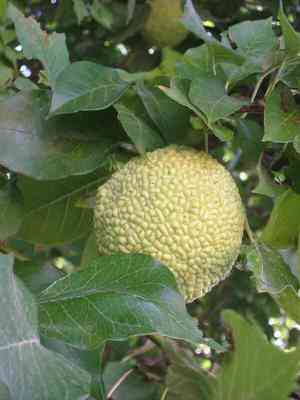
1
Perform a soil analysis prior to fertilization to identify nutrient shortages.
2
Osage orange thrives with slow-release fertilizers, which deliver nutrients over time.
3
When fertilizing in spring, pair it with mulching to conserve moisture and improve soil vitality.
Grasping Osage orange Fertilization Requirements
Nutrient's Function in Osage orange Vitality
Nutrients are vital for the overall health and development of the Osage orange. Key elements like nitrogen, phosphorus, and potassium support various biological processes. Nitrogen is crucial for robust leaf growth, while phosphorus aids root development and flower production. Potassium contributes to general plant well-being and disease resistance. A balanced nutrient supply ensures your Osage orange thrives and yields abundant fruit.
Indicators of Nutrient Shortage in Osage orange
Spotting nutrient deficiencies early can prevent lasting harm to your Osage orange. Common signs include yellowing foliage (suggesting nitrogen deficiency), poor root growth (phosphorus deficiency), and weak stems or increased vulnerability to illness (potassium deficiency). Regular soil testing and close plant observation allow you to customize your fertilization strategy to meet the plant's specific nutrient demands.
Selecting the Appropriate Fertilizer for Osage orange
Fertilizer Varieties Suitable for Osage orange
When choosing a fertilizer for your Osage orange, consider both its type and nutrient balance. Slow-release fertilizers are beneficial as they provide a consistent nutrient supply over time. Opt for fertilizers with a balanced N-P-K (nitrogen, phosphorus, potassium) ratio or one slightly higher in nitrogen to encourage leaf growth. Soil amendments like compost or aged manure can also be advantageous, improving soil structure and offering a gradual nutrient release.
Natural Versus Synthetic Fertilizers
Organic fertilizers, such as compost and bone meal, come from natural sources and release nutrients slowly. They enhance soil structure and help retain moisture. Synthetic fertilizers, conversely, are chemically produced and deliver nutrients more rapidly. While they offer quick results, excessive use of synthetic options can lead to salt accumulation and soil degradation. A balanced approach combining organic and synthetic fertilizers can provide both immediate and long-term benefits for your Osage orange.
Optimal Fertilization Methods for Osage orange
When and How Often to Fertilize Osage orange
The ideal time to fertilize Osage orange is in the spring, just as the growing season commences. Applying fertilizer in early spring allows the plant to access nutrients as it emerges from dormancy and begins to grow. Typically, fertilize once in the spring, but monitor plant health and consider a second, lighter application in mid-summer if growth appears sluggish.
Best Practices for Fertilizer Application
To apply fertilizer effectively, follow these steps:Conduct a soil analysis to determine nutrient levels and deficiencies.Select a suitable fertilizer with a balanced N-P-K ratio.Distribute the fertilizer evenly around the plant's base, avoiding direct contact with the trunk or stems.Water thoroughly after application to help the fertilizer penetrate the soil and reach the roots.Consider mulching around the plant to retain soil moisture and enhance nutrient absorption.
Addressing Excessive Fertilization Issues
Identifying Signs of Over-Fertilization in Osage orange
Excessive fertilization can be as harmful as nutrient deficiency. Common indicators include leaf scorch, where leaf edges turn brown and brittle, stunted development, and overall plant decline. If these symptoms appear, prompt action is crucial to mitigate the damage.
Corrective Measures for Salt Accumulation and Toxicity
To resolve over-fertilization problems, you can begin by thoroughly watering the plant to flush out excess salts from the soil. Ensure the soil has good drainage to prevent waterlogging. In severe cases, removing and replacing the top layer of soil around the plant may be necessary to reduce salt levels. Reducing fertilizer application frequency and opting for organic fertilizers can also help prevent future over-fertilization.



