Optimal Fertilizer for Growing Purple loosestrife: What You Need to Know
1
Purple loosestrife flourishes in fertile, damp ground, yet it can adjust to various environments.
2
Excessive nutrient application to Purple loosestrife may lead to abundant foliage at the cost of blooms.
3
Fertilizing in springtime optimizes development and wards off nutrient shortages throughout the active growth period.
Grasping the Requirement for Nourishment in Purple Loosestrife
Innate Development and Nutritional Needs of Purple Loosestrife
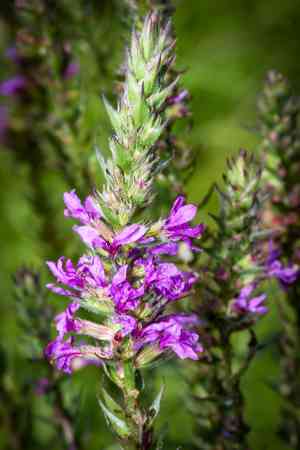
Purple loosestrife is a resilient, enduring plant noted for its tall spikes of vivid purple blooms. Naturally found in damp areas, it prospers in soil rich in nutrients and moisture. Nevertheless, despite its tolerance for various soil conditions, supplying appropriate nutrients ensures peak development. Inferior soil can restrict its growth potential, resulting in less vibrant flowers and a weaker plant.
Indicators That Your Purple Loosestrife Requires Feeding
While Purple loosestrife is a tough plant, certain clear signals suggest it could benefit from added nutrients. Watch for inhibited growth, fewer or smaller blossoms, and yellowing leaves. These signs point to nutrient deficiencies that a good feeding regimen can correct. Consistent observation of your plants aids in averting these problems before they become severe.
Selecting the Appropriate Plant Food for Purple Loosestrife
Varieties of Fertilizers Suitable for Purple Loosestrife
For Purple loosestrife, a balanced plant food with an equal ratio of nitrogen, phosphorus, and potassium (like 10-10-10) is optimal. This kind of fertilizer supports overall plant health, fostering robust root development, luxuriant foliage, and abundant blooming. Slow-release formulations are particularly advantageous as they deliver a steady supply of nutrients over time, reducing the need for frequent applications.
Organic Versus Synthetic Nutrients: Which is Superior for Purple Loosestrife?
Both natural and synthetic fertilizers offer advantages. Organic nutrients, such as compost or well-decomposed manure, improve soil structure and provide a gradual, consistent release of nourishment. They also support beneficial soil microorganisms. Synthetic fertilizers, conversely, offer quicker results and are simpler to measure and apply. For Purple loosestrife, a combined approach using both can be highly effective, merging the immediate benefits of chemical fertilizers with the long-term soil health advantages of organic matter.
Correct Nutrient Application Methods for Purple Loosestrife
When and How Often to Nourish Purple Loosestrife
The ideal time to fertilize Purple loosestrife is in the spring, as the plant commences its active growth phase. Applying nutrients at this point assists the plant in developing strong roots and dense foliage, preparing it for prolific blooming. Depending on the type of fertilizer utilized, reapplication may be necessary. For instance, a slow-release product might only need one application, whereas a liquid nutrient could require application every few weeks throughout the growing season.
Detailed Instructions for Supplying Nutrients to Purple Loosestrife
Select your fertilizer type (balanced, slow-release, or organic).Review the manufacturer's guidelines for application rates.Clear the area around the plant, removing unwanted weeds and debris.Apply the fertilizer at the plant's base, avoiding contact with leaves and stems to prevent scorching.Thoroughly water the area to help the fertilizer permeate the soil.Throughout the growing season, monitor plant vigor and reapply nutrients as needed, following recommendations.
Observing Purple Loosestrife Post-Nourishment
Assessing the Influence of Fertilization on Purple Loosestrife Development
After fertilizing, observe your Purple loosestrife for signs of enhanced growth. Look for increased height, more vibrant foliage, and a greater quantity of flowers. Watch out for any negative reactions, such as scorched leaves or stunted growth, which might indicate an issue with the type or amount of fertilizer used. Regular observations will help confirm that the fertilization is benefiting the plant as intended.
Modifying Fertilization Practices Based on Plant Response
If your plant isn't reacting favorably to fertilization, it might be necessary to adjust your methods. This could involve changing the type of fertilizer, altering the application quantity, or improving other care routines like watering and soil upkeep. For instance, if you notice the plant showing leaf burn or poor growth, you may need to reduce the fertilizer amount or switch to a more suitable type. Always consider soil testing to better understand what nutrients your soil might be lacking.



