Optimal Fertilizer for Growing Large yellow loosestrife: What You Need to Know
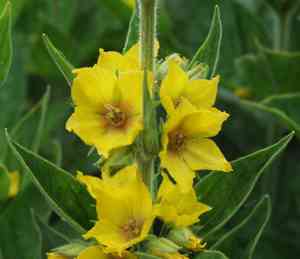
1
Large yellow loosestrife flourishes with a well-balanced, gradual-release plant food given in springtime.
2
Indications of insufficient nutrients in Large yellow loosestrife involve faded foliage and inhibited development.
3
Refrain from excessive fertilization; it can damage the plant and encourage the proliferation of undesirable algae nearby.
Understanding Nutrient Requirements for Large yellow loosestrife
The Role of Nutrients in Large yellow loosestrife Health
Nutrients are vital for the robust development of Large yellow loosestrife. Like all plants, it needs a balanced intake of primary nutrients such as nitrogen (N), phosphorus (P), and potassium (K). Nitrogen promotes foliage growth, phosphorus stimulates root formation and blooming, and potassium ensures overall strength and disease resistance. A lack of any of these nutrients can severely affect the plant's vitality and flowering ability.
Recognizing Nutrient Deficiency Symptoms in Large yellow loosestrife
It's essential to identify signs of nutrient shortages in Large yellow loosestrife to address them quickly. Look for pale or yellowing leaves, which may signal a nitrogen deficiency. Poor blooming or small flowers could indicate insufficient phosphorus, while weak stems and spotted leaves might point to low potassium levels. Regular observation of the plant's appearance can help you detect and correct these problems early.
Choosing the Appropriate Fertilizer for Large yellow loosestrife
Fertilizer Types Suitable for Large yellow loosestrife
Large yellow loosestrife benefits from a balanced, slow-release plant food. Seek out formulas labeled 10-10-10 or 14-14-14, which offer equal proportions of nitrogen, phosphorus, and potassium. Such fertilizers ensure a consistent nutrient supply over time, fostering continuous and balanced growth. Liquid fertilizers can also be used for a rapid nutrient boost, especially if deficiency symptoms are apparent.
Organic Versus Synthetic Fertilizers for Large yellow loosestrife
Both organic and synthetic fertilizers can be effective for Large yellow loosestrife, but they possess distinct differences. Organic fertilizers, such as compost and manure, release nutrients gradually and enhance soil structure, making them an excellent choice for long-term soil health. However, synthetic fertilizers provide a more immediate nutrient supply, which can be advantageous if a quick remedy is needed. Select based on your gardening philosophy and the specific needs of your plant.
Applying Fertilizer to Large yellow loosestrife
Optimal Practices for Fertilizing Large yellow loosestrife
When applying fertilizer, it's crucial to follow best practices to ensure your Large yellow loosestrife receives maximum benefit. Begin by evenly distributing the fertilizer around the plant's base, avoiding direct contact with the stems to prevent scorching. Gently incorporate the fertilizer into the topsoil layer using a small garden tool, then water thoroughly to help nutrients reach the root zone. Remember, moderation is key with fertilization; over-application can be harmful.
Seasonal Fertilization Strategies for Large yellow loosestrife
The ideal time to fertilize Large yellow loosestrife is in the spring, just as new growth commences. This timing ensures the plant has the necessary nutrients for the upcoming growing season. You can also provide a smaller, supplementary feeding in early summer if the plant continues to grow vigorously. Avoid fertilizing in late summer or fall, as this can stimulate new growth that may not harden off before winter, potentially damaging the plant.
Preventing Fertilization Errors with Large yellow loosestrife
Common Over-Fertilization Issues and Solutions
Excessive fertilization of Large yellow loosestrife can lead to numerous problems, including root burn, abundant foliage growth at the expense of blooms, and even plant demise. To prevent these issues, always adhere to the recommended dosage on the fertilizer packaging and err on the side of caution. If you suspect over-fertilization, drench the soil with ample water to dilute and flush away surplus nutrients, and refrain from further fertilization until the plant recovers.
Observing Fertilizer Effects and Adjusting as Necessary
After applying fertilizer, closely monitor your Large yellow loosestrife to observe its reaction. Positive indicators include vigorous growth, vibrant green leaves, and abundant flowers. If you notice adverse effects such as yellowing leaves or stunted growth, it may signal a need to modify your fertilization approach. Regular soil testing can also offer valuable insights into nutrient levels, aiding in informed decisions about future fertilization.



