Optimal Fertilizer for Growing Creeping jenny: What You Need to Know
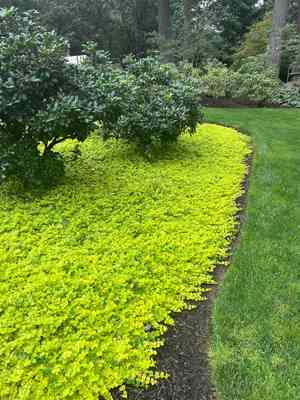
1
Applying fertilizer to Creeping jenny at the beginning of spring can stimulate its seasonal development.
2
Ensure your Creeping jenny is well-hydrated prior to fertilization to prevent damage to its roots.
3
A 10-10-10 NPK formulation is perfect for supporting vigorous and vibrant leaf growth.
Deciphering the Dietary Requirements of Creeping Jenny
Essential Nutrients for Robust Development
For vigorous growth, Creeping jenny requires a balanced intake of vital nutrients. Key elements include nitrogen (N) for lush foliage, phosphorus (P) for strong roots, and potassium (K) for overall health and disease resistance. Additionally, trace minerals like iron, magnesium, and calcium are crucial for maintaining vibrant color and structural integrity.
Indicators of Nutrient Deficiency
It's crucial to spot early signs of nutrient deficiencies in Creeping jenny. These can manifest as yellowing leaves, stunted development, and poor root health. For example, pale or yellow leaves often suggest a lack of nitrogen, while browned leaf edges may signal a potassium shortage. Correcting these imbalances with suitable fertilizer can restore your plant's optimal health.
Selecting the Appropriate Fertilizer for Creeping Jenny
Organic vs. Synthetic Options
When choosing fertilizers for Creeping jenny, both organic and synthetic types offer advantages. Organic fertilizers, such as compost and manure, sustainably enrich the soil and improve its texture over time. Synthetic fertilizers, conversely, provide precise nutrient ratios and immediate availability, which can promote rapid growth. However, a combination often yields the best lush and healthy growth throughout the growing season.
Recommended NPK Balance
For Creeping jenny, a balanced NPK ratio of 10-10-10 is generally advised. This formulation supplies equal parts of nitrogen, phosphorus, and potassium, ensuring the plant receives all crucial nutrients for flourishing. Utilize slow-release products to deliver a consistent nutrient supply and prevent the risk of over-fertilization.
Fertilization Schedule for Creeping Jenny
Seasonal Feeding Guide
Fertilizing Creeping jenny should align with its active growth phases for maximum effectiveness. Ideally, begin feeding in early spring as new growth emerges. Continue with monthly applications throughout summer to sustain ongoing development. Reduce frequency in fall and cease fertilization entirely in winter as the plant enters dormancy.
Adjusting Fertilization Based on Plant Condition and Soil Analyses
Monitoring your Creeping jenny's health and conducting routine soil tests can help refine your fertilization routine. If soil analyses reveal nutrient shortfalls, adjust the fertilizer type and quantity accordingly. Furthermore, observe the plant for signs of excessive fertilization, such as rampant leaf growth at the expense of blooms, and scale back if necessary.
Applying Fertilizer to Creeping Jenny
Effective Application Methods
To ensure your Creeping jenny gets the nutrients it needs, spread fertilizer uniformly around the plant's base, avoiding direct contact with stems and leaves. Water the plant thoroughly before and after applying fertilizer to aid nutrient distribution and prevent root burn. Use granular fertilizers for sustained release and liquid fertilizers for a quick nutrient boost.
Common Pitfalls to Avoid
Steer clear of typical mistakes when fertilizing Creeping jenny. Do not apply fertilizer to dry soil, as this can lead to root damage. Avoid over-fertilizing, which can cause nutrient runoff and harm the plant. Lastly, adhere to the recommended dosage on the fertilizer package to prevent over-concentration, which can hinder plant growth.
Reviewing and Modifying Fertilization Practices
Observing Plant Responses
Post-fertilization, watch your Creeping jenny for signs of improvement or stress. Healthy, vibrant leaves and vigorous growth indicate an effective fertilization regimen. Conversely, if you notice yellowing foliage or scorched tips, you may need to adjust your feeding strategy. Regular observation will help you fine-tune your approach for optimal plant health.
When to Reduce Fertilization
There are instances when decreasing fertilization is necessary. If you observe unusually rapid plant growth or significant nutrient readings from soil tests, it's wise to lessen the frequency or amount of fertilizer. Additionally, fertilization should be reduced during the plant's dormant periods, typically from late autumn through winter.



