Optimal Fertilizer for Growing Gooseneck loosestrife: What You Need to Know
1
Prior to fertilizing Gooseneck loosestrife, ensure it is well-watered to prevent root damage.
2
Gooseneck loosestrife tends to spread aggressively, so regulate fertilization to manage its expansion.
3
Conduct a soil analysis in early spring to identify the nutritional requirements for your Gooseneck loosestrife.
Understanding Gooseneck Loosestrife's Nutritional Requirements
The Significance of Adequate Nourishment
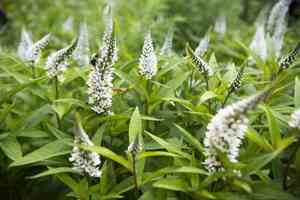
For your Gooseneck loosestrife (Lysimachia clethroides) to flourish, providing appropriate nutrients is crucial. Proper feeding forms the foundation of robust plant development, impacting everything from blooming to disease resistance. Without sufficient sustenance, your Gooseneck loosestrife might appear stunted, with pale foliage and fewer flower stalks. Dedicating time to comprehend and fulfill its nutritional demands can prepare your plant for a season of abundant, vibrant growth.
How Gooseneck Loosestrife Utilizes Nutrients
Gooseneck loosestrife employs a range of macro and micronutrients to fuel its development. Essential macronutrients like nitrogen (N), phosphorus (P), and potassium (K) are vital. Nitrogen promotes leaf production, phosphorus aids root and flower formation, while potassium ensures overall plant health and resilience. Furthermore, micronutrients such as iron, manganese, and zinc are critical in smaller quantities, participating in various physiological processes. By grasping these nutrient needs, you can customize your feeding strategy for a flourishing garden.
Selecting the Appropriate Fertilizer for Gooseneck Loosestrife
Organic Versus Synthetic Fertilizers
When choosing a fertilizer for your Gooseneck loosestrife, you have options between organic and synthetic types. Organic fertilizers, like compost, manure, and bone meal, release nutrients gradually, enhancing soil structure and fostering long-term vitality. They are eco-friendly and minimize nutrient runoff. Conversely, synthetic fertilizers are designed for immediate nutrient availability and can be customized to specific nutrient ratios. However, they might lead to faster nutrient depletion and can sometimes harm soil health over time. Balancing these considerations will help you pick the best choice for your garden.
Essential Nutrients for Gooseneck Loosestrife
Focusing on the nutrient demands of Gooseneck loosestrife is vital for optimal fertilization. This plant thrives with a balanced fertilizer containing an equal proportion of nitrogen, phosphorus, and potassium (e.g., 10-10-10 or 20-20-20 NPK). Aim for a formulation that also includes crucial micronutrients, which support various biological functions. Regularly checking for any nutrient deficiencies, such as yellowing leaves indicating a nitrogen shortage, can guide timely fertilization adjustments.
A Step-by-Step Guide to Fertilizing Gooseneck Loosestrife
When to Fertilize Your Gooseneck Loosestrife
The ideal time to fertilize Gooseneck loosestrife is in early spring, just as new growth begins to emerge. This timing allows the plant to access essential nutrients during its peak growth phase. You can also apply a second, lighter application of fertilizer in mid-summer if the plant appears to require an additional boost. Avoid fertilizing after late summer to prevent stimulating new growth that might not harden off before winter.
Applying Fertilizer: Methods and Advice
To apply fertilizer, follow these straightforward steps:Water the plant thoroughly a day before applying fertilizer to prevent root burn.Distribute the fertilizer evenly around the plant's base, avoiding direct contact with the stems.Lightly rake the fertilizer into the soil to ensure better absorption.Water again after fertilizing to help the nutrients penetrate the soil. For liquid fertilizers, dilute according to instructions and apply directly to the soil or as a foliar spray.
Common Fertilization Errors to Avoid with Gooseneck Loosestrife
Risks of Excessive Fertilization
Over-fertilization can pose significant dangers to your Gooseneck loosestrife. Surplus nutrients, especially nitrogen, can lead to abundant leaf growth at the expense of blooms, and too much fertilizer can scorch the roots, causing wilting, yellowing, or even plant demise. Always adhere to the recommended dosage and resist the urge to 'supercharge' your plant with extra fertilizer, as it might cause more harm than good.
Choosing the Incorrect Fertilizer Type
Selecting the wrong kind of fertilizer can hinder your Gooseneck loosestrife's growth and vitality. Using a high-nitrogen fertilizer intended for lawns, for instance, can result in excessive foliage growth with fewer flowers. Similarly, applying a nutrient-imbalanced fertilizer can cause deficiencies or toxicities. Always opt for a balanced, slow-release fertilizer specifically formulated for perennial flowering plants to ensure your Gooseneck loosestrife receives the correct blend of nutrients.



