Optimal Fertilizer for Growing Red Spider lily: What You Need to Know
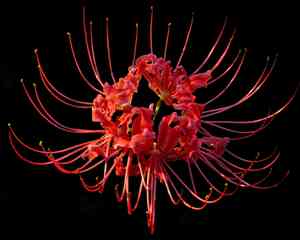
1
A balanced, slow-release nutrient solution is perfect for the Red Spider lily.
2
The optimal period to nourish your Red Spider lily is in the spring.
3
Refrain from feeding your Red Spider lily during its resting phase in late summer.
Deciphering Red Spider Lily's Nutritional Needs
The Role of Nutrients for Red Spider Lily's Vitality
The Red Spider lily is a striking and captivating plant that flourishes with the correct nutritional balance. Like all flora, it relies on crucial elements such as nitrogen, phosphorus, and potassium to support development, flowering, and overall health. Nitrogen is key for foliage growth, phosphorus assists in root development and bloom production, and potassium boosts disease resistance and general plant vigor. Ensuring your Red Spider lily gets these nutrients in the right amounts will foster robust growth and spectacular flowers.
Indicators of Nutritional Deficiencies in Red Spider Lily
Spotting nutrient shortfalls in your Red Spider lily early can avoid more severe problems later. Look for signs such as yellowing foliage, stunted development, and sparse blooming. Specifically, nitrogen scarcity often appears as pale or yellowish leaves, phosphorus deficiency can lead to dark or purplish foliage and reduced flowering, while potassium deficiency typically results in browning leaf edges and increased susceptibility to illnesses. Recognizing these symptoms will help you modify your feeding approach quickly.
Selecting the Appropriate Fertilizer for Red Spider Lily
Fertilizer Varieties Suitable for Red Spider Lily
When picking a fertilizer for your Red Spider lily, opt for a balanced, slow-release choice with equal parts nitrogen, phosphorus, and potassium (e.g., a 10-10-10 NPK formula). This type of plant food offers a steady and consistent supply of nutrients. It's also beneficial to use fertilizers that include additional trace elements like magnesium, iron, and zinc, which contribute to overall plant wellness.
Organic vs. Synthetic Fertilizers: Optimal Choice for Red Spider Lily?
Both natural and artificial fertilizers can be effective for Red Spider lily. Organic plant foods, such as compost or bone meal, release nutrients gradually and enhance soil structure, making them an excellent choice for environmentally aware gardeners. Synthetic fertilizers, conversely, offer the benefit of precise nutrient ratios and immediate availability, which can be especially helpful for addressing specific deficiencies. Ultimately, the best option depends on your gardening methods and soil conditions.
How to Administer Fertilizer to Red Spider Lily
Step-by-Step Guide to Feeding Red Spider Lily
Nourishing your Red Spider lily is straightforward if you follow these steps: Begin by loosening the soil around the plant's base to allow the fertilizer to penetrate easily. Measure the recommended quantity of fertilizer according to the product instructions. Evenly distribute the fertilizer around the plant's base, avoiding direct contact with the leaves and stems. Gently irrigate the area to help dissolve the fertilizer and deliver the nutrients to the roots. Monitor the plant for indications of over-fertilization or deficiency, adjusting your strategy as needed.
Optimal Times to Fertilize Red Spider Lily Annually
For prime development, feed your Red Spider lily in the spring when new growth emerges. This timing ensures the plant has the necessary nutrients during its active growth period. Refrain from fertilizing during the dormant phase in late summer and early fall, as the plant's nutrient absorption is minimal. By aligning fertilization with the plant's growth cycle, you encourage vigorous development and magnificent seasonal blooms.
Fertilizer Dosage and Application Frequency for Red Spider Lily
Quantity and Frequency of Red Spider Lily Fertilization
The correct amount and frequency of feeding depend on the type of fertilizer you're using. Generally, a balanced, slow-release fertilizer should be applied once in early spring. For liquid fertilizers, apply them every 4-6 weeks during the growing season, adhering to the recommended dilution rates. Be careful not to over-fertilize, as this can harm your Red Spider lily by causing nutrient burn.
Modifying Fertilization Based on Plant Development and Soil Analysis
Regular soil testing can offer valuable insights into the nutrient levels and pH balance of your garden soil. Based on soil test results, you can customize your fertilization strategy to correct any shortages or imbalances. Additionally, observe your plant's development and adjust the frequency and amount of fertilizer accordingly. If your Red Spider lily displays any signs of nutrient stress, such as weak stems or discolored leaves, it might need additional nourishment.
Potential Hazards of Over-fertilizing Red Spider Lily
Recognizing Symptoms of Excessive Fertilization
Too much fertilizer can lead to numerous problems for your Red Spider lily, including chemical burn. Symptoms include yellow or brown leaf tips, wilting despite sufficient water, and a crusty soil surface. High soil salt concentrations from excessive fertilizer can harm roots and lessen the plant's ability to absorb water.
Remedial Actions for Fertilizer Burn in Red Spider Lily
If you suspect your Red Spider lily is suffering from fertilizer burn, act quickly to lessen the damage. Start by thoroughly flushing the soil with plenty of water to wash out surplus salts. This process involves watering generously until water drains from the bottom of the pot, repeated multiple times. Reduce or temporarily stop fertilization to allow the plant to recover. Finally, consider re-evaluating your fertilization plan to prevent future occurrences.



