Optimal Fertilizer for Growing Trumpet honeysuckle: What You Need to Know
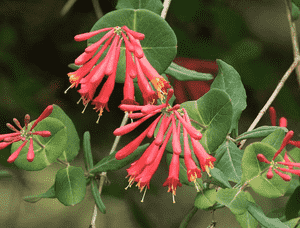
1
To encourage robust development, feed your Trumpet honeysuckle in early spring as fresh shoots emerge.
2
A well-rounded 10-10-10 nutrient solution is suitable for meeting Trumpet honeysuckle's needs.
3
Refrain from excessive fertilization; it can result in abundant foliage at the expense of blossoms.
Deciphering the Nutritional Requirements of Trumpet honeysuckle
The Crucial Role of Macronutrients for Trumpet honeysuckle
Macronutrients are essential for the vigorous development of Trumpet honeysuckle. These include nitrogen (N), phosphorus (P), and potassium (K). Nitrogen encourages luxuriant, foliage growth, phosphorus is vital for root formation and blooming, and potassium aids in overall plant health and disease resistance.
Micronutrients: The Essential Yet Often Overlooked Elements
Micronutrients such as iron, manganese, and zinc, though required in smaller amounts, are fundamental for Trumpet honeysuckle. These elements support key processes like photosynthesis, enzyme function, and chlorophyll production. Addressing micronutrient shortages promptly can avert lasting harm.
Recognizing Nutrient Deficiencies in Trumpet honeysuckle
Common indicators of nutrient shortages include yellowing foliage (nitrogen deficiency), inadequate blooming (phosphorus deficiency), and weak stems (potassium deficiency). Regular observation of the plant's leaves and development can help detect and resolve these issues early.
Selecting the Appropriate Fertilizer for Trumpet honeysuckle
Organic vs. Synthetic Fertilizers: Advantages and Disadvantages
Organic fertilizers, like compost and manure, enhance soil structure and nutrient content over time. However, they release nutrients slowly. Synthetic fertilizers, conversely, provide immediate nutrient access but can negatively impact the environment if applied excessively.
Recommended Fertilizer Varieties and Producers
Opting for a balanced 10-10-10 NPK fertilizer is ideal for Trumpet honeysuckle. Brands such as Miracle-Gro and Espoma offer dependable choices. Ensure the fertilizer is well-balanced to support abundant growth and vibrant blossoms.
Application Methods for Efficient Nutrient Absorption
Distribute fertilizer uniformly around the plant's base, ensuring it reaches the root zone. Water after application to help nutrients permeate the soil. Utilizing slow-release granules can provide a consistent supply of nutrients over time, reducing the risk of over-fertilization.
Optimal Fertilization Schedule for Trumpet honeysuckle
When to Fertilize Trumpet honeysuckle Throughout the Year
The prime time to fertilize Trumpet honeysuckle is in early Spring as new growth emerges. A second application can be made in mid-summer if the plant exhibits signs of nutrient depletion.
Indicators That Your Trumpet honeysuckle Requires Fertilization
Observe for symptoms such as stunted development, pale or yellowing leaves, and poor blooming. These signs suggest the plant is lacking nutrients and might benefit from timely fertilization.
Adjusting Fertilization Based on Plant Vitality and Growth
Vigorous Trumpet honeysuckle plants with lush foliage and profuse blooms may not require frequent fertilization. However, if the plant's growth appears sluggish or discolored, adjusting the fertilization schedule to provide additional nutrients can be beneficial.
Common Errors to Avoid When Fertilizing Trumpet honeysuckle
Over-fertilization: Identifying and Reducing Risks
Excessive fertilization can result in abundant leafy growth at the expense of blossoms. It can also cause nutrient imbalances and issues with soil salinity. Always adhere to the recommended dosage and avoid fertilizing too frequently.
The Dangers of Employing Incorrect Fertilizer Types
Using an inappropriate type of fertilizer can harm Trumpet honeysuckle. High-nitrogen fertilizers can promote leaf development but hinder flowering, while low-quality fertilizers may lack essential micronutrients.
Disregarding Soil pH and Its Influence on Fertilizer Efficacy
Soil pH impacts nutrient availability. Trumpet honeysuckle thrives in slightly acidic to neutral soil (pH 6.0-7.0). Regularly test soil pH and adjust it accordingly to ensure effective nutrient uptake.



