Optimal Fertilizer for Growing Japanese honeysuckle: What You Need to Know
1
Japanese honeysuckle flourishes in soil that drains effectively and is adaptable to various soil compositions, making it a flexible choice for many garden settings.
2
Applying a small amount of fertilizer often during springtime encourages strong leaf growth and abundant blooms. Steer clear of excessive amounts to safeguard roots.
3
Placing mulch around the plant's base assists in retaining soil dampness and offers a continuous source of nourishment, amplifying the benefits of fertilization.
Deciphering the Fertilizer Requirements of Japanese honeysuckle
What Makes Japanese honeysuckle Distinctive?
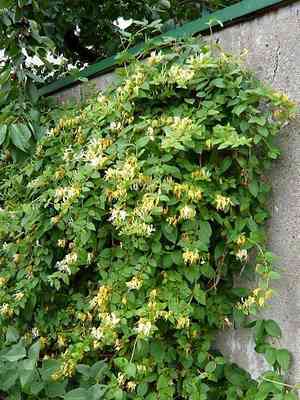
Japanese honeysuckle is a robust, rapidly growing vine recognized for its aromatic, tubular blossoms that attract pollinators such as bees and butterflies. It's prized for its capacity to adorn trellises, fences, and walls, enhancing garden beauty and seclusion. Despite its resilience, this plant thrives with appropriate fertilization to maximize its development and flowering capabilities.
Essential Nutrients for Japanese honeysuckle
For optimal development, Japanese honeysuckle requires a balanced supply of vital nutrients. Nitrogen is critical for rich, green foliage, while phosphorus supports root growth and bloom production. Potassium assists overall plant vitality, boosting disease resistance and water retention. A comprehensive feed including micronutrients like iron, magnesium, and zinc will ensure vigorous and vibrant growth.
Selecting the Appropriate Fertilizer for Japanese honeysuckle
Organic vs. Synthetic Fertilizers: Advantages and Disadvantages
Organic fertilizers, such as compost and manure, enhance soil health by introducing organic matter and beneficial microbes. They release nutrients gradually, providing sustained benefits without the risk of harming plant roots. However, results may appear more slowly. Synthetic fertilizers offer immediate nutrient availability, which can be beneficial for rapid growth spurts but might lead to nutrient accumulation and potential root damage if applied excessively. Assess your garden's specific needs before deciding on the fertilizer type.
Recommended Fertilizer Varieties and Brands
For Japanese honeysuckle, balanced fertilizers with ratios like 10-10-10 or 20-20-20 are suitable. Reputable brands include Miracle-Gro, Espoma, and Jobe’s Organics. Additionally, liquid seaweed extract and fish emulsion are excellent organic choices that can supplement the primary fertilizer, providing a complete nutrient profile.
A Step-by-Step Guide to Fertilizing Japanese honeysuckle
When to Fertilize Japanese honeysuckle
The ideal time to fertilize Japanese honeysuckle is in early spring, as new growth commences. This timing allows the plant to access nutrients when it enters a phase of active development and blooming. A light follow-up application in mid-summer can be beneficial to sustain growth and flowering throughout the growing season.
How to Apply Fertilizer Correctly
Begin by gently loosening the soil around the plant's base before applying fertilizer to ensure better absorption. Spread the fertilizer evenly around the root zone, maintaining a distance of approximately 15 cm (6 inches) from the plant stem to avoid direct contact, which can harm the roots. For liquid fertilizers, dilute according to package instructions and apply directly to the soil around the plant. Water the area thoroughly after fertilization to help nutrients reach the root zone.
Common Fertilizing Errors to Avoid with Japanese honeysuckle
Risks of Over-Fertilizing and Mitigation Strategies
Excessive fertilization can lead to nutrient burn, stunted development, and root damage. To prevent this, always adhere to the recommended dosage on the fertilizer packaging, and consider using a slow-release formula to minimize the risk of nutrient overload. Regularly observe your Japanese honeysuckle's growth and health to adjust fertilization practices as required.
Indicators of Inadequate Fertilization and Solutions
Yellowing leaves, poor growth, and minimal blooming are typical signs of nutrient deficiencies. If these symptoms appear, conduct a soil test to identify the missing nutrients. Adjust your fertilization plan accordingly, incorporating specific supplements if necessary. Also, ensure the plant receives sufficient water and that the soil pH is within the appropriate range (slightly acidic to neutral).



