Optimal Fertilizer for Growing Sweet alyssum: What You Need to Know
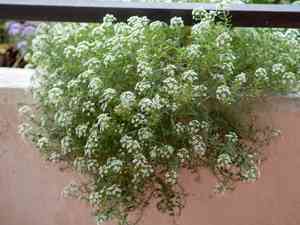
1
Sweet alyssum flourishes in soil that drains effectively. Steer clear of excessive moisture to deter root decay.
2
Regular yet moderate fertilizer applications are better than large, sporadic ones.
3
Sweet alyssum favors a fertilizer with an even ratio of N-P-K (Nitrogen, Phosphorus, and Potassium).
Grasping Sweet alyssum's Nutrient Requirements
Crucial nutrients for Sweet alyssum
To guarantee your Sweet alyssum plants thrive, concentrate on supplying vital nutrients, including Nitrogen, Phosphorus, and Potassium (N-P-K). Nitrogen is essential for vigorous, green leaf development, while Phosphorus supports root growth and blooming. Potassium plays a key role in overall plant vigor and disease resistance. A balanced 10-10-10 fertilizer typically works well for Sweet alyssum, aiding its prosperity during its active growing period. Alongside primary nutrients, micronutrients such as iron, magnesium, and calcium are also beneficial. They contribute not only to structural strength but also to enhanced absorption of essential nutrients.
Indicators of nutrient deprivation in Sweet alyssum
Recognizing the symptoms of nutrient deficiencies in Sweet alyssum will help you resolve issues before they negatively impact growth. If your plant displays yellowing leaves, poor flowering, or stunted development, it might be lacking Nitrogen. A Phosphorus deficiency can cause leaves to appear purplish and limit the plant's blooming capacity. Potassium deficiency may result in brown leaf margins and weak stems.Swift action is crucial if you observe these signs. Apply a balanced fertilizer and observe the plant's response. Supplementing with a liquid feed rich in the missing nutrient can quickly alleviate the deficiencies.
Selecting the Appropriate Fertilizer for Sweet alyssum
What fertilizer types perform best?
Sweet alyssum responds favorably to both granular and liquid fertilizers. Granular formulations, which release nutrients slowly, are suitable for consistent growth over an extended duration. Liquid fertilizers, conversely, are perfect for a rapid nutrient boost and are readily absorbed by plants.For Sweet alyssum, a balanced fertilizer with an N-P-K ratio of 10-10-10 or 14-14-14 is advised. These ratios ensure the plants receive equivalent amounts of the primary nutrients.
Natural versus synthetic choices
Choosing between organic and synthetic fertilizers depends on your preference and horticultural philosophy. Organic fertilizers, sourced from natural elements, enhance soil structure and foster long-term soil health. They include options like compost, fish emulsion, and bone meal, which release nutrients gradually.Synthetic fertilizers, often synthetically produced, deliver precise nutrient ratios and provide rapid effects. They are particularly valuable for gardeners seeking to quickly remedy nutrient deficiencies. However, they do not improve soil health in the same way as organic fertilizers do.
Optimal Practices for Fertilizing Sweet alyssum
When and how frequently to fertilize?
For prime growth, Sweet alyssum should be fertilized during its active growing season, primarily in the summer. Depending on the fertilizer type, light fertilization every 4-6 weeks is ideal. Regular, light applications ensure the plant receives a steady supply of nutrients without the risk of over-fertilization.Adjust the frequency based on the plant's reaction and soil condition. For instance, in soils poor in nutrients, more frequent fertilization might be necessary.
Methods for applying fertilizer to Sweet alyssum
When applying fertilizer to Sweet alyssum, ensure even distribution to prevent scorching the plant roots. For granular fertilizers, scatter them around the base of the plant, approximately 6 inches (15 centimeters) away from the main stem, and gently work them into the soil. Water immediately after application to help the nutrients infiltrate the soil.Liquid fertilizers should be diluted as per package instructions and applied directly to the soil surrounding the plants. Avoid getting the fertilizer on the foliage, as this can lead to leaf burn.
Monitoring Sweet alyssum's Well-being After Fertilization
Indicators of successful fertilization
Effective fertilization is reflected in vivid, luxuriant foliage, abundant flowers, and vigorous development. Look for deep green leaves, frequent and prolific blooming, and overall robust plant health. The plant should appear strong, with no signs of wilting or discoloration.Regularly check the soil moisture and plant appearance to ensure they are not showing signs of nutrient deficiencies or excesses. This proactive approach will help sustain plant health.
Addressing issues of excessive fertilization
Over-fertilization can result in nutrient burn, characterized by brown, crispy leaf edges, and overall poor plant vitality. If you suspect over-fertilization, remove visible fertilizer granules from the soil surface and flush the soil with water to dilute surplus nutrients.Monitor the plant closely and decrease the frequency and amount of fertilizer in future applications. Switching to a more diluted liquid fertilizer can help gradually restore the plant's health.



