Optimal Fertilizer for Growing Easter lily: What You Need to Know
1
An Easter lily thrives with an even NPK balance, such as 10-10-10, to support robust development.
2
Extended-release plant foods provide a steady stream of nutrients over a longer duration.
3
Applying fertilizer in early spring guarantees the plant receives essential nutrients during its crucial development phase.
Deciphering the Nutritional Requirements of Easter Lily
Essential Nutrients for Easter Lily
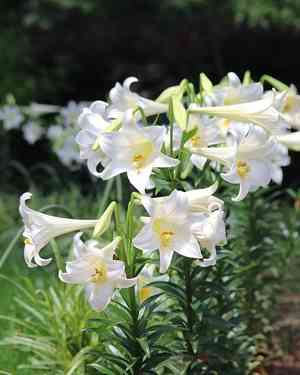
The stunning white flowers of the Easter lily flourish with a well-rounded intake of vital nutrients. Primarily, it requires nitrogen (N) for leafy development, phosphorus (P) for robust roots and flower production, and potassium (K) for overall plant vigor and disease resistance. These macronutrients must be provided in precise amounts to guarantee strong growth and the plant's signature trumpet-shaped blossoms.
The Crucial Role of Nitrogen, Phosphorus, and Potassium
Nitrogen, phosphorus, and potassium (NPK) are fundamental for Easter lily health. Nitrogen supports the creation of lush green foliage, essential for photosynthesis. Phosphorus strengthens the root system and encourages flowering, while potassium aids critical functions like water balance and pathogen resistance. A lack of any of these elements can lead to stunted development and fewer blooms.
Evaluating Soil Quality and Nutrient Content
Prior to applying any plant food, assess the condition of your soil. Perform a soil analysis to determine its nutrient composition and pH level. Easter lilies prefer slightly acidic to neutral soil, with a pH between 6.0 and 7.0. If the soil lacks key nutrients or has an imbalanced pH, plan to amend it appropriately. Consistent soil testing helps maintain ideal growing conditions.
Selecting the Optimal Fertilizer for Easter Lily
Organic Versus Synthetic Fertilizers
Both natural and manufactured fertilizers can supply nutrients to your Easter lily. Organic choices, such as compost and bone meal, enhance soil structure and provide a gradual, consistent release of nutrients. Synthetic fertilizers, conversely, deliver nutrients more rapidly and in exact proportions. Choose based on your gardening philosophy and the specific requirements of your plant.
Recommended NPK Ratios for Easter Lily
Easter lilies thrive with a balanced NPK ratio, such as 10-10-10 or 5-10-10, signifying the need for an equal supply of nitrogen, phosphorus, and potassium. This promotes harmonious growth, robust root formation, and abundant flowering.
Slow-Release Versus Immediate-Release Fertilizers
Slow-release plant foods gradually release nutrients over time, minimizing the risk of over-fertilization and encouraging steady development. Liquid fertilizers, however, offer instant nutrient availability, which can be advantageous during critical growth phases. You can use liquid fertilizers for a quick nutrient boost and supplement them with slow-release varieties for continuous nourishment.
Optimal Fertilization Frequency for Easter Lily
Fertilization Schedule Throughout the Growing Period
Initiate fertilizing your Easter lily in early spring, as new shoots emerge. Apply fertilizer every four to six weeks during the active growth season, ensuring the plant has continuous access to nutrients. Decrease or cease fertilizing as the plant enters its resting phase in late summer to early autumn.
Adjusting Fertilization Based on Plant Health and Development
Observe your Easter lily's growth and modify fertilization according to its needs. If you notice vigorous growth and vibrant blossoms, maintain your current regimen. If growth is sluggish or leaves are yellowing, it may signal a nutrient deficiency, requiring an increase in fertilizer frequency or concentration. Conversely, signs of excessive fertilization include scorched leaf tips and stunted growth.
Applying Plant Food to Easter Lily
Correct Techniques for Fertilizer Application
When applying plant food, distribute it evenly around the base of the plant, keeping it 5-10 cm (2-4 inches) away from the stem to prevent root burn. Water the soil thoroughly after application to help nutrients spread and encourage absorption by the roots. For liquid plant foods, adhere to the recommended dilution and application instructions on the product label.
Safety Precautions When Handling Fertilizers
Always handle plant foods with care. Wear gloves and wash your hands after application to prevent skin irritation. Follow the manufacturer’s instructions to measure and apply the correct amount, reducing the risk of over-fertilization. Store fertilizers in a cool, dry place inaccessible to children and pets.
Monitoring Easter Lily's Reaction to Fertilization
Regularly observe your Easter lily post-fertilization to ensure a positive response. Look for indications of healthy development such as strong, green leaves and abundant blooms. If you notice any negative effects, like leaf scorching or weak growth, re-evaluate your fertilization strategy. Adjusting your approach based on the plant's feedback guarantees optimal care and flourishing blossoms.



