Optimal Fertilizer for Growing Dense blazing star: What You Need to Know
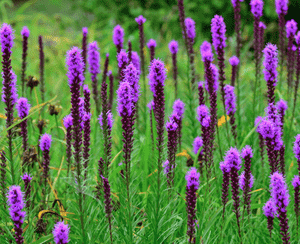
1
To boost its flowering capabilities, apply a slow-release fertilizer to dense blazing star each spring.
2
This species thrives in organically rich, well-draining soil, which facilitates efficient nutrient uptake.
3
Refrain from excessive fertilization of dense blazing star to prevent leggy development and potential susceptibility to pests.
Understanding the Nutritional Needs of Dense blazing star
Essential Nutrients for Dense blazing star
Just like many perennials, Dense blazing star thrives when its core nutrient requirements are satisfied. Key nutrients encompass nitrogen (N) for vigorous leaf and stem development, phosphorus (P) for root establishment and blossom production, and potassium (K) for overall plant vitality and disease resistance. Ensuring a balanced supply of these nutrients helps Dense blazing star display its striking blooms fully.
Signs of Nutrient Deficiency in Dense blazing star
Identifying indicators of nutrient deficiency early can prevent significant damage to your plants. Look out for yellowing leaves, stunted development, weak stalks, and diminished flowering. These symptoms signal that the plant requires additional sustenance. Consistent observation and prompt action can keep your Dense blazing star healthy and vibrant.
Choosing the Right Fertilizer for Dense blazing star
Types of Fertilizers Suitable for Dense blazing star
Selecting the appropriate type of fertilizer is critical. Slow-release granular fertilizers, often marketed for perennial plants, deliver a consistent supply of nutrients. Liquid fertilizers, which are absorbed more quickly, can also be beneficial if the plant exhibits immediate signs of deficiency. General-purpose fertilizers with an N-P-K ratio suitable for flowering species are typically safe choices.
Organic vs Chemical Fertilizers for Dense blazing star
Decide whether to use organic or chemical fertilizers based on your gardening methods and plant requirements. Organic fertilizers, such as compost and well-rotted manure, improve soil structure and contribute to long-term soil health. Chemical fertilizers offer immediate nutrient availability but can impact soil health over time. Combining both types, or adhering to an organic regimen, can be highly effective and environmentally friendly.
Optimal Fertilizing Techniques for Dense blazing star
How Often to Fertilize Dense blazing star
Typically, feeding Dense blazing star once in the spring should be enough, especially when utilizing a slow-release fertilizer. This annual fertilization supports the plant throughout its growth and flowering period. However, if you observe any developmental issues, a mid-season boost with a balanced, water-soluble fertilizer can be advantageous.
Best Time of Year to Fertilize Dense blazing star
Spring is the ideal period for fertilizing Dense blazing star. As the plant emerges from its winter dormancy, it needs nutrients for robust new growth. Apply fertilizer in early spring, as the ground begins to thaw, to ensure the nutrients are readily available for the emerging shoots.
Application Techniques for Fertilizing Dense blazing star
For optimal outcomes, adhere to these application methods: Distribute granular fertilizer evenly around the plant's base, avoiding direct contact with the stems. Water the area thoroughly to help the nutrients penetrate the soil. For liquid fertilizers, mix according to the label's instructions and apply using a watering can or sprayer, ensuring the solution reaches the root zone. Following these techniques will maximize nutrient absorption and minimize waste.
Monitoring and Adjusting Fertilization for Dense blazing star
Tracking Growth and Health Post-Fertilization
Following fertilization, observe the Dense blazing star for indications of improvement or potential problems. Note the plant's growth rate, leaf coloration, and bloom production. Regularly check the soil moisture and overall plant vigor. Thriving plants will display lush growth and abundant flowers, signaling successful nourishment.
Adjusting Fertilization Practices Based on Plant Response
Modify your fertilization routines according to the observed reaction of your Dense blazing star. If the plant shows vigorous development and healthy blooms, maintain the current approach. Should there be signs of over-fertilization, such as overly lush foliage with few flowers or scorched leaf edges, reduce the frequency or quantity of fertilizer. Conversely, if the plant exhibits signs of nutrient deficiency, consider supplementary feeding. Adaptability and attentiveness are crucial for the optimal nourishment of your plants.



