Optimal Fertilizer for Growing Texas ranger: What You Need to Know
1
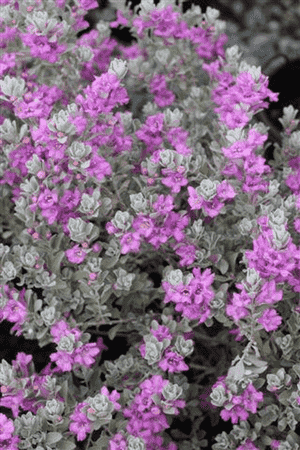
Texas ranger plants flourish optimally with a well-proportioned NPK (nitrogen, phosphorus, potassium) nutrient blend.
2
Applying fertilizer in the springtime aids in promoting fresh growth and bloom production.
3
Excessive fertilization is a frequent problem; consistently adhere to suggested amounts to prevent plant damage.
Understanding Texas Ranger's Feeding Requirements
Recognizing Nutrient Deficiency Indicators
Knowing when your Texas ranger requires additional nourishment is vital for its well-being. Common signs of nutrient scarcity include yellowing foliage, stunted development, and poor blooming. If these symptoms appear, it's time to reassess your feeding approach. These clues might suggest a lack of essential elements like nitrogen, phosphorus, or potassium, which are crucial for robust plant growth.
The Significance of Choosing the Correct Plant Food
Selecting the appropriate plant food for your Texas ranger is extremely important. A balanced fertilizer with a 10-10-10 NPK ratio (nitrogen, phosphorus, potassium) typically works well. This balanced blend supports overall plant health by promoting vigorous growth, strong root development, and abundant blooms. Organic fertilizers can also be beneficial, providing a slow-release option that reduces the risk of over-feeding.
Seasonal Feeding Demands
The time of year significantly impacts the Texas ranger's feeding needs. Spring is the ideal period for fertilization as the plant begins its active growth. Apply a balanced fertilizer in early spring when new growth emerges. This timing ensures the plant has all necessary nutrients to thrive throughout the growing season. Avoid feeding in late summer or fall, as this can stimulate new growth that may not harden off before winter.
How to Nourish Your Texas Ranger?
Step-by-Step Feeding Procedure
Nourishing your Texas ranger involves a few simple steps. First, clear the area around the plant's base to remove any obstructions. Measure the recommended amount of fertilizer according to the package directions. Evenly spread the granules around the plant's base, extending to its drip line. Lightly water the area to help the fertilizer penetrate the soil and reach the roots. This method ensures nutrients are uniformly distributed and readily available to the plant.
Feeding Frequency and Timing
For optimal development, feed your Texas ranger once at the beginning of the growing season in spring. This annual application is generally sufficient due to the plant's moderate nutrient requirements. If your soil is particularly poor in nutrients, a second application in mid-summer can be helpful. Always observe the plant's reaction and avoid excessive feeding, which can lead to nutrient burn and other problems.
Guidelines for Fertilizing Texas Ranger
When feeding Texas ranger, there are key practices to follow and avoid. Do use a balanced fertilizer and apply it in early spring. Do adhere to the manufacturer's dosage recommendations to prevent over-fertilization. Don't apply fertilizer too close to the plant's stem, as this can cause root damage. Avoid feeding late in the season to prevent new growth that won't survive winter. By following these guidelines, you will ensure your plant's health and vitality.
Monitoring and Adjusting Feeding Practices
Observing Plant's Reaction to Fertilization
After feeding, closely watch your Texas ranger for signs of improvement. Healthy new growth, vibrant leaf color, and increased blooming indicate the fertilizer is working effectively. Conversely, if leaves turn yellow or appear scorched, or if the plant stops growing, it might signal over-fertilization or an imbalanced nutrient supply. Regular observation will help you refine your feeding practices for the best outcomes.
When to Modify Your Feeding Strategy
Adjust your feeding strategy based on the plant's ongoing health and environmental conditions. If the soil naturally has high nutrient content, you might need to feed less often. Conversely, nutrient-deficient soils might require more frequent applications. Changes in growth patterns, such as slower development or fewer flowers, may also indicate that an adjustment is necessary. Always begin with minimal feeding adjustments to avoid negative effects on the plant.



