Optimal Fertilizer for Growing Summer snowflake: What You Need to Know
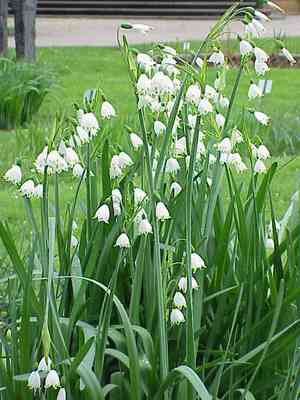
1
Summer snowflake flourishes with a balanced nutrient supply, preferably a 10-10-10 NPK feed during its active growth in Spring.
2
Steer clear of nitrogen-rich fertilizers as they may encourage abundant leaf development over bloom production.
3
Thoroughly hydrate the plant before and after fertilization to prevent root damage.
Understanding Summer Snowflake's Nutritional Needs
Nutrient Requirements: What Summer Snowflake Demands?
The Summer snowflake is a charming, bulb-forming perennial recognized for its delicate, bell-shaped blooms appearing in late spring. A balanced nutrient intake is vital for these plants to thrive. Key nutrients include nitrogen (N), phosphorus (P), and potassium (K). Nitrogen supports healthy foliage and stem development, phosphorus is crucial for root growth and flower formation, and potassium ensures overall plant vigor and disease resistance. A balanced 10-10-10 NPK fertilizer typically meets these needs, ensuring your Summer snowflake is attractive and robust.
Indicators of Nutrient Deficiency in Summer Snowflake
Detecting nutrient deficiencies in Summer snowflake early can prevent prolonged plant stress. Watch for common signs: Yellowing leaves might signal a nitrogen shortage, stunted growth or poor blooming could stem from low phosphorus, and weak stems or browning leaf edges may result from potassium deficiency. These clues help you better understand the plant's requirements and enable timely adjustments.
Selecting the Appropriate Fertilizer for Summer Snowflake
Fertilizer Varieties: Advantages and Disadvantages
Fertilizers come in various forms, including granular, liquid, and slow-release types. Granular fertilizers are simple to apply and store, making them a popular choice for home gardeners. Liquid fertilizers, though often pricier, offer rapid nutrient absorption and can be used for foliar feeding. Slow-release fertilizers provide a consistent nutrient supply over time but might have higher initial costs. Each type has its pros and cons, so choose one that aligns with your gardening approach and the specific needs of your Summer snowflake.
Organic vs. Synthetic Fertilizers for Summer Snowflake
Organic fertilizers, derived from natural sources like compost or manure, enrich the soil ecosystem and deliver nutrients gradually. They are environmentally friendly and improve soil structure but may act slower than their synthetic counterparts. Synthetic fertilizers, conversely, offer precise nutrient ratios and quick results, which can be beneficial if your plant shows immediate nutrient deficiencies. However, they can potentially harm beneficial soil microbes and may cause fertilizer burn if not applied correctly. Both types have unique benefits and potential drawbacks, so the best choice depends on your gardening philosophy and the specific needs of your Summer snowflake.
Optimal Fertilizing Practices for Summer Snowflake
When to Fertilize Summer Snowflake: Proper Timing
Spring is the ideal time to begin fertilizing your Summer snowflake, just as it emerges from dormancy and exhibits new growth. Typically, applying fertilizer once in early spring and again in mid-spring ensures your plant receives essential nutrients during its most critical growth phases. Avoid fertilizing late in the season as it can stimulate new growth that may not survive the approaching cold.
Common Fertilizing Errors for Summer Snowflake
Over-Fertilizing and Its Consequences
Excessive fertilization can be more damaging than insufficient fertilization. Too many nutrients, especially nitrogen, can lead to abundant foliage but reduced flower production, diminishing the plant's aesthetic appeal. Over-fertilization can also cause 'fertilizer burn,' where the plant displays scorched or brown leaf tips due to salt accumulation in the soil. To prevent this, always adhere to recommended application rates and monitor your Summer snowflake for any unusual symptoms.
Under-Fertilizing: Risks and Detection
Insufficient fertilization, while less common, can result in various growth problems. A lack of vital nutrients often leads to stunted growth, fewer blooms, and increased susceptibility to diseases. Regularly inspect your plants for the telltale signs of nutrient deficiency and adjust your fertilizing schedule as needed. Periodic soil testing can also offer valuable insights into nutrient availability, ensuring your Summer snowflake receives the appropriate care it requires.



