Optimal Fertilizer for Growing Perennial pea: What You Need to Know
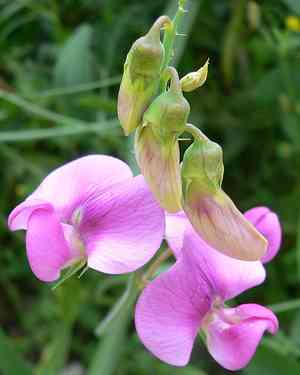
1
Nourish your Perennial pea in early spring to ensure a robust beginning for its active growth period.
2
A 5-10-10 NPK blend is perfect for Perennial pea, encouraging balanced development and flowering.
3
Check the soil's pH level; Perennial pea flourishes in soil that is slightly acidic to neutral (pH 6.0-7.0).
Understanding the Nutritional Requirements of Perennial Pea
Key Nutrients for Perennial Pea
The Perennial pea requires a balanced blend of vital nutrients to flourish. Nitrogen (N) is essential for robust foliage development and overall vigor. Phosphorus (P) is crucial for root formation and flower production, while Potassium (K) supports general plant health, boosting disease resistance and strong stems. Calcium, magnesium, and sulfur also play important roles, albeit in smaller quantities. Providing a nutrient-rich environment ensures your Perennial pea grows strong and produces vibrant blooms.
Indicators of Nutrient Deficiency in Perennial Pea
Recognizing signs of nutrient deficiency is critical for prompt action. Yellowing leaves can signal a nitrogen shortage. If the plant struggles to flower, a lack of phosphorus might be the cause. Brown leaf edges could indicate a potassium deficiency. Other symptoms include stunted growth and poor flower yield. Regularly checking your Perennial pea for these indicators helps you address issues quickly, ensuring healthy and sustained growth.
Selecting the Appropriate Fertilizer for Perennial Pea
Organic vs. Synthetic Fertilizers
Choosing between organic and synthetic fertilizers is important. Organic fertilizers, like compost and manure, provide slow-release nutrients and enhance soil structure and microbial activity. Synthetic fertilizers offer an immediate nutrient boost and are often more concentrated, but can lead to soil accumulation and potential runoff problems if overused. For Perennial pea, a balanced strategy combining both can yield optimal results, providing a consistent nutrient supply while maintaining soil health.
Recommended NPK Ratio for Perennial Pea
The ideal NPK ratio for Perennial pea is 5-10-10. This ratio ensures adequate phosphorus and potassium for flowering and root growth, with moderate nitrogen to prevent excessive leaf development at the expense of blooms. Nutrient-rich soil, fortified with this balanced ratio, promotes vigorous growth and abundant flowering throughout the growing season.
Optimal Practices for Fertilizing Perennial Pea
When to Fertilize Perennial Pea
Fertilizing in spring is best for Perennial pea. Applying fertilizer at the start of the growing season supplies the plants with essential nutrients just as they begin their most active growth. An additional light feeding in early summer can support continuous blooming and overall plant vitality. Avoid late-season fertilization, as it can hinder the plant's ability to prepare for winter.
Effective Fertilizer Application Methods
Effective fertilizer application involves careful soil preparation and even distribution around the plant's drip line. Begin by loosening the soil around the plant base to improve nutrient absorption. Apply granular fertilizer by sprinkling it uniformly and gently mixing it into the soil using a hand rake or hoe. Water the plants thoroughly after fertilizing to help dissolve and deliver the nutrients to the root zone.
Monitoring and Adjusting Fertilization
Observing Plant Response and Development
Carefully observing your Perennial pea's reaction after fertilization is crucial. Robust growth, vibrant green foliage, and plentiful flowers indicate successful fertilization. Conversely, signs of stress, such as yellowing leaves or poor blooming, may suggest the need for adjustments. Regularly monitoring these signals helps ensure the plant receives the correct nutrient balance.
Adjusting Fertilization Techniques Based on Observations
Based on your observations, refine your fertilization approach. If signs of nutrient deficiency are apparent, increase the frequency or amount of fertilization. Conversely, if the plant shows signs of nutrient burn or over-fertilization, reduce the application rate. Periodic soil testing can also guide you in making precise adjustments, ensuring your Perennial pea remains healthy and vibrant.



