Optimal Fertilizer for Growing Common lantana: What You Need to Know
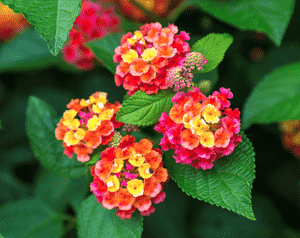
1
Optimal growth for Common lantana is achieved with fertilization in early spring, right before new shoots emerge.
2
Over-fertilizing Common lantana can result in a reduction of blossoms, therefore apply sparingly.
3
A 10-10-10 balanced fertilizer applied bi-monthly encourages robust development and vivid floral displays in Common lantana.
Understanding the Nutritional Needs of Common lantana
Essential Nutrients for Common lantana
To maintain your Common lantana's vitality, concentrate on providing crucial nutrients. Nitrogen, phosphorus, and potassium are vital for this plant's healthy development. Nitrogen supports dense green foliage, phosphorus aids flowering and root growth, and potassium ensures overall plant strength and resistance to disease.
Signs of Nutrient Deficiency in Common lantana
If your Common lantana is showing nutrient shortfalls, you might observe clear indicators. Yellowing leaves can signal a lack of nitrogen, while poor flower production or weak stalks may suggest a phosphorus deficit. A generally dull appearance and slower growth often point to a potassium deficiency. Recognizing these symptoms early allows for prompt nutritional intervention.
Choosing the Right Fertilizer for Common lantana
Types of Fertilizers Suitable for Common lantana
Regarding fertilizer selection for your Common lantana, several options are available. A balanced 10-10-10 fertilizer is frequently advised to supply equal amounts of nitrogen, phosphorus, and potassium. Slow-release formulations are also a good option, as they provide a steady nutrient supply over time.
Organic vs. Synthetic Fertilizers for Common lantana
The choice between organic and synthetic fertilizers depends on your preference and gardening philosophy. Organic options, like compost and manure, enhance soil health and release nutrients gradually. Synthetic fertilizers, conversely, offer immediate nutrient availability. Both can be effective; however, organic alternatives are more eco-friendly and sustainable in the long term.
Best Practices for Fertilizing Common lantana
How Often to Fertilize Common lantana
For prime growth, fertilize Common lantana every six weeks during its active growing period, typically from early spring through late summer. This schedule ensures the plant receives a consistent nutrient supply to support its vibrant blooms and abundant foliage.
Step-by-Step Guide to Fertilizing Common lantana
Start fertilizing in early spring as new growth begins.Select a balanced 10-10-10 fertilizer and consult label instructions for proper application rates.Distribute the fertilizer evenly around the plant's base, avoiding contact with stems and leaves.Thoroughly water the plant after application to help nutrients penetrate the soil.Repeat this process every six weeks throughout the growth period.
Monitoring and Adjusting Fertilization for Common lantana
Observing Plant Response and Growth Adjustments
After fertilizing, closely observe the plant's reaction. A healthy Common lantana should display lush, green leaves and plentiful flowers. If growth appears overly vigorous with fewer blooms, it might indicate excessive fertilization. Conversely, if growth is sparse and flowering is limited, more nutrients may be needed. Monitoring plant response helps customize your feeding regimen to the plant's specific requirements.
Troubleshooting Common Issues in Fertilizing Common lantana
Even with optimal care, you might encounter typical problems while fertilizing Common lantana. Over-fertilization can result in 'fertilizer burn,' causing leaf edges to brown and shrivel. To prevent this, always adhere to recommended application rates and ensure the soil is moist before fertilizing. If nutrient deficits persist despite regular feeding, consider a soil test to identify any underlying imbalances needing correction.



