Optimal Fertilizer for Growing Yellow archangel: What You Need to Know
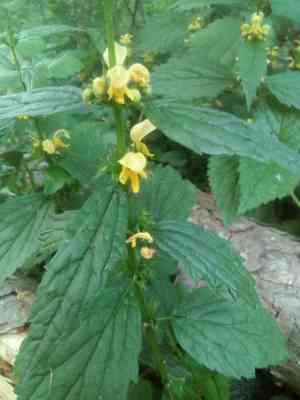
1
Yellow archangel flourishes in soil that drains effectively and is rich in organic matter.
2
The optimal period to fertilize Yellow archangel for robust growth and blooming is during spring.
3
Excessive fertilization of Yellow archangel may result in scorched leaves and inhibited development.
Grasping the Nutritional Requirements of Yellow archangel
What Nutrients Does Yellow archangel Need?
To maintain your Yellow archangel's lushness and vibrancy, understanding its nutritional demands is vital. This plant generally flourishes with a balanced intake of key nutrients: nitrogen (N), phosphorus (P), and potassium (K). Nitrogen promotes foliage and stem development, phosphorus is crucial for root growth and blooming, and potassium aids overall plant health and disease resistance. Furthermore, trace elements like magnesium, iron, and calcium support the plant's general well-being.
Indicators of Nutrient Deficiencies in Yellow archangel
Paying close attention to your Yellow archangel's condition can help detect nutrient deficiencies early. Typical signs include yellowing leaves, inhibited growth, and poor flowering. If leaves turn yellow but veins stay green, your plant might lack magnesium or iron. Conversely, a general yellowing of older leaves often signals a nitrogen deficiency. Noticing these symptoms quickly allows for necessary adjustments to your feeding regimen.
Selecting the Appropriate Fertilizer for Yellow archangel
Organic vs. Synthetic Fertilizers: Which is Optimal?
When choosing a fertilizer for your Yellow archangel, you have two primary choices: organic and synthetic. Organic fertilizers, such as compost, bone meal, or worm castings, release nutrients slowly, enhancing soil structure and fostering a healthier soil ecosystem. In contrast, synthetic fertilizers provide a quick nutrient boost, which can be useful if your plant shows deficiency signs. Both have advantages and disadvantages; however, for sustained plant health, incorporating organic options is generally more beneficial.
Recommended NPK Ratio for Yellow archangel
The suggested NPK ratio for Yellow archangel is typically around 10-10-10, indicating an even blend of nitrogen, phosphorus, and potassium. This balanced ratio supports overall plant development. However, if you observe specific deficiencies, you might adjust slightly; for instance, using a mix higher in phosphorus (like a 5-10-5) can boost flower production. Always follow product instructions and avoid over-application to minimize the risk of nutrient burn.
How to Administer Fertilizer to Yellow archangel
Step-by-Step Guide: Fertilizing Yellow archangel
Fertilizing Yellow archangel doesn't need to be complex. Here's a straightforward step-by-step guide:Measure the area around your plant to determine the correct fertilizer quantity.Distribute the fertilizer evenly around the plant's base, avoiding direct contact with stems.Lightly rake the soil to mix in the fertilizer.Water the plant thoroughly to help nutrients spread into the soil.Monitor your plant over the next few weeks to assess its reaction and adjust your feeding schedule as needed.
Key Periods for Fertilization Throughout the Year
For optimal growth, fertilize your Yellow archangel in early Spring, just as the growing season commences. This timing ensures nutrients are available when the plant begins its active growth phase and flowering. Depending on your local climate and the plant's specific needs, a second, lighter application in late Summer can also be beneficial, providing an extra nutrient boost as it prepares for colder months.
Safety Precautions During Fertilization
Safety should be paramount when applying fertilizers. Always wear gloves to shield your skin from potential irritants. Keep children and pets away from the area until the fertilizer has been absorbed into the soil. Additionally, using organic fertilizers can lessen the risk of chemical exposure. Follow the manufacturer's directions carefully and avoid over-application, as excessive fertilizer can lead to runoff into local water sources, negatively impacting the environment.
Mitigating Over-fertilization Risks in Yellow archangel
Identifying Over-fertilization Symptoms
Excessive fertilization can harm your Yellow archangel. Common signs of over-fertilization include leaf burn, characterized by brown or blackened leaf edges, and unusually rapid growth that might make the plant more vulnerable to disease. Plants may also display curled leaves and stunted development. Promptly recognizing these indicators helps prevent lasting damage and allows for corrective actions.
Corrective Measures for Over-fertilized Yellow archangel
If you suspect your Yellow archangel has been over-fertilized, take immediate steps to rectify the situation. Begin by thoroughly watering the area to flush out surplus nutrients from the soil. Refrain from applying any more fertilizer until the plant shows signs of recovery. In severe cases, you might need to replace the top layer of soil or repot the plant with fresh, unfertilized soil. Close monitoring of the plant in the subsequent weeks helps ensure it returns to healthy growth.



