Optimal Fertilizer for Growing Crepe myrtle: What You Need to Know
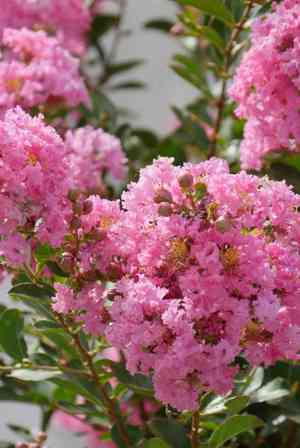
1
Crepe myrtle thrives with nutrients applied in early spring, prior to the onset of new shoots.
2
Distribute granular fertilizers uniformly, using 150 grams (5.3 ounces) for each square meter.
3
Moistening the soil both before and after applying fertilizer prevents root damage and aids in nutrient uptake.
Deciphering the Nutritional Requirements of Crepe Myrtle
The Importance of Fertilizing Crepe Myrtle
Nourishing your Crepe Myrtle is vital for providing all essential nutrients needed for its thriving. These lovely flowering bushes require a balanced blend of nitrogen, phosphorus, and potassium to support robust foliage, vivid flowers, and strong root development. Without adequate feeding, your Crepe Myrtle may exhibit stunted development, fewer blossoms, and reduced resistance to pests and diseases.
Key Nutrients Essential for Crepe Myrtle
Crepe Myrtle benefits most from a well-balanced fertilizer rich in nitrogen, phosphorus, and potassium. Nitrogen promotes lush, green leaves; phosphorus encourages profuse flowering; and potassium strengthens root systems and overall plant vitality. Micronutrients like iron, manganese, and magnesium also contribute to maintaining your plant's vibrancy and resilience, though they are needed in smaller quantities.
Choosing the Appropriate Fertilizer for Crepe Myrtle
Fertilizer Varieties Suitable for Crepe Myrtle
When selecting a fertilizer for your Crepe Myrtle, opt for balanced formulations such as 10-10-10 or 20-20-20 (N-P-K ratios). Both granular and slow-release fertilizers are good choices, with slow-release types delivering a consistent supply of nutrients over an extended period. Water-soluble fertilizers can provide faster nutrient availability, particularly during the blooming phase.
Organic Versus Synthetic: Which is Optimal for Your Crepe Myrtle?
The choice between organic and synthetic fertilizers depends on your gardening preferences. Organic options like compost, manure, and bone meal improve soil structure and release nutrients gradually. Synthetic fertilizers offer precise nutrient ratios and quicker results but do not enhance soil quality as organics do. A blend of both can offer the immediate benefits of synthetics while sustaining long-term soil health with organics.
How to Administer Fertilizer to Crepe Myrtle
A Step-by-Step Guide to Fertilizing Crepe Myrtle
To fertilize your Crepe Myrtle, follow these steps:Lightly moisten the soil around the plant to prepare it for nutrient application.Measure the recommended fertilizer amount and spread it evenly around the base, keeping it at least 15 centimeters (6 inches) away from the main trunk.Gently incorporate the fertilizer into the top 5 centimeters (2 inches) of soil, taking care not to disturb the roots.Water the area thoroughly to help the nutrients penetrate to the root zone.
Avoiding Common Fertilization Errors
Be aware of these frequent mistakes:Excessive fertilization can lead to abundant foliage at the expense of flowers and may even cause root burn. Adhere strictly to the suggested quantities.Applying fertilizer too close to the trunk can harm the base and impede nutrient absorption. Always maintain a safe distance.Failing to water before and after fertilizing can result in uneven distribution and root damage. Proper hydration is crucial.
Optimal Timing for Fertilizing Crepe Myrtle
Seasonal Fertilizing Recommendations for Crepe Myrtle
For best outcomes, fertilize your Crepe Myrtle in early spring, just before new growth commences. This timing allows the plant to utilize the nutrients during its active development period. A second, lighter application in late spring or early summer can further support flowering. Avoid fertilizing late in the season as it may stimulate new growth that won't harden off before winter, making it vulnerable to frost damage.
Understanding Growth Phases and Fertilization
Crepe Myrtle enters a dormant state in late fall and winter. During this time, the plant's nutrient needs are minimal, and fertilization should be avoided. Comprehending this growth cycle helps in scheduling optimal fertilization times, ensuring nutrients are available when the plant needs them most, particularly during the spring and summer months.
Monitoring and Adapting Fertilization Methods
Assessing Your Crepe Myrtle's Health After Fertilization
After fertilizing, observe your Crepe Myrtle for indicators of adequate nutrition, such as vigorous growth, deep green foliage, and profuse blooms. Yellowing leaves, poor development, or leaf drop might signal nutritional imbalances or other issues. Regularly checking the plant's condition will help you detect and address any problems promptly.
When to Modify Your Fertilization Strategy
Adjust your fertilization approach based on the plant's reaction and seasonal shifts. If growth is slower than expected or blooms are scarce, a mid-season nutrient boost can be beneficial. Conversely, if signs of over-fertilization like leaf burn or excessive foliage are observed, reduce the frequency and quantity of fertilizer applied. Always consider soil tests to precisely tailor your fertilization practices.



