Optimal Fertilizer for Growing Flame of the woods: What You Need to Know
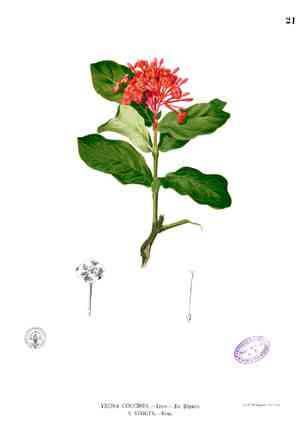
1
Periodically test the soil's pH for Ixora coccinea; it ought to be somewhat acidic to neutral (pH 5.5-7.0).
2
Refrain from applying too much fertilizer since Ixora coccinea reacts poorly to an abundance of nutrients in the substrate.
3
Ixora coccinea thrives with slow-release plant food for a consistent nutrient delivery during its active growth phase.
Grasping Fertilizer Needs for Flame of the woods
Key Nutrients for Flame of the woods
To properly cultivate your Flame of the woods, comprehending its vital nutrient requirements is crucial. This vivid shrub necessitates a balanced provision of nitrogen (N), phosphorus (P), and potassium (K), collectively termed NPK. Nitrogen is essential for abundant foliage, phosphorus boosts root growth and blooming, while potassium fosters general plant health and disease resistance. A suitable NPK ratio for Flame of the woods typically ranges from 10-10-10 to 20-20-20. Furthermore, trace elements such as iron, magnesium, and calcium can aid its development.
Indicators of Nutrient Shortage in Flame of the woods
Even with optimal care, nutrient deficiencies can subtly affect your Flame of the woods. Look for clear signs like yellowing leaves, which might signal a nitrogen deficit. A lack of phosphorus often leads to sparse flowering and weak root development, while potassium shortages can cause brown leaf tips and stunted growth. Iron deficiency, common in many decorative plants, appears as interveinal chlorosis, where leaves turn yellow but veins stay green. Paying attention to these indicators allows for prompt corrective actions, ensuring your plant flourishes.
Selecting the Appropriate Fertilizer for Flame of the woods
Fertilizer Varieties Suitable for Flame of the woods
Choosing the correct fertilizer guarantees your Flame of the woods receives necessary nutrition without negative effects. Slow-release fertilizers are an excellent option, providing a consistent nutrient supply over time, thus lowering the risk of excessive fertilization. Liquid fertilizers can be applied for a rapid nutrient boost, especially during the peak growing season. Granular fertilizers, another viable choice, are simple to spread and offer prolonged nourishment. Opting for a balanced 10-10-10 or 20-20-20 NPK formula ensures your plant gets an even distribution of vital nutrients.
Organic Versus Synthetic Fertilizers for Flame of the woods
The decision between organic and synthetic fertilizers largely depends on your gardening philosophy and specific plant demands. Organic fertilizers like compost, fish emulsion, and bone meal enrich the soil with natural nutrients and enhance its structure, promoting robust root growth. However, they release nutrients slowly, which might not satisfy the immediate needs of a heavily blooming plant like Flame of the woods. Conversely, synthetic fertilizers act quickly and deliver precise nutrient ratios, making them ideal for rapid solutions. They are, however, more prone to causing nutrient accumulation and soil imbalances if not used carefully. A balanced approach, combining both organic and synthetic fertilizers, often yields the best outcomes.
When and How to Fertilize Flame of the woods
Optimal Time to Fertilize Flame of the woods
Spring is the prime period to fertilize your Flame of the woods. As the plant emerges from its dormant winter state, it requires a significant nutrient boost to support new growth and blooming. Applying fertilizer at the start of spring ensures your Flame of the woods has everything it needs to thrive throughout the growing season. Depending on your local climate, this can be from late March to early May. Regular monthly feedings during the growing season can further encourage vigorous growth and vibrant flowers.
Step-by-Step Fertilizing Method for Flame of the woods
Fertilizing your Flame of the woods is a simple process that can produce impressive results if executed correctly. Begin by loosening the soil around the plant's base, being careful not to harm the roots. Measure the recommended fertilizer amount, typically found on the product label, and spread it evenly around the base, avoiding direct contact with the stem. Water thoroughly to help the fertilizer penetrate the soil and reach the roots. For liquid fertilizers, dilute as per instructions and apply directly to the soil or as a foliar spray. Repeat this procedure monthly during spring and summer, decreasing frequency as the plant enters its dormant phase in the fall.
Maintaining Flame of the woods After Fertilization
Monitoring Growth and Health Post-Fertilization
Following fertilization, closely observe the growth and health of your Flame of the woods. Regularly check for new leaf buds, vibrant blooms, and overall plant vigor, which are good indicators of proper fertilization. Yellowing leaves, poor growth, or a lack of flowers could suggest that adjustments are necessary, either in the type or quantity of fertilizer used. Soil testing can be a valuable tool, offering insights into nutrient levels and pH balance, ensuring your plant's environment remains conducive to growth.
Adjusting Care Based on Plant Response
Responsive care is crucial after fertilization. Depending on how your Flame of the woods reacts, you might need to modify your fertilization routine. If the plant shows signs of over-fertilization, such as leaf burn or poor growth, reduce the fertilizer amount or switch to a milder, organic option. Conversely, if the plant appears undernourished, consider increasing the fertilizer dosage or frequency. Regularly adapting your care practices based on the plant's feedback ensures sustained health and longevity.



