Optimal Fertilizer for Growing Blackberry lily: What You Need to Know
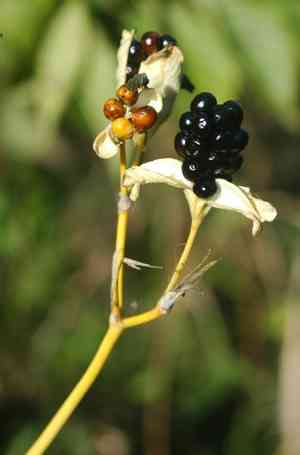
1
Blackberry lily thrives on a fertilizer containing equivalent amounts of nitrogen, phosphorus, and potassium.
2
Performing a soil analysis helps avoid excessive fertilization and pinpoint particular nutrient shortages.
3
Fertilizing Blackberry lily is most effective in spring as new shoots emerge.
Grasping the Nutritional Requirements of Blackberry lily
What Nutrients Does Blackberry lily Need?
The Blackberry lily is a robust and appealing perennial, recognized for its striking orange blooms with red markings. To sustain its vitality and flowering, comprehending its nutritional demands is essential. These plants flourish with a balanced intake of vital nutrients present in garden soil. Typically, a healthy supply of nitrogen, phosphorus, and potassium is crucial. Nitrogen fosters lush, green foliage, phosphorus strengthens root development and blooming, and potassium ensures overall plant health and resilience to stress. Like many plants, Blackberry lily also benefits from secondary nutrients and trace elements such as calcium, magnesium, sulfur, iron, and manganese.
The Function of Macronutrients and Micronutrients
Macronutrients and micronutrients fulfill distinct yet complementary roles in the well-being of Blackberry lily. Macronutrientsânitrogen, phosphorus, and potassiumâserve as the primary energy sources for growth and development. Nitrogen, for instance, is fundamental for leaf and stem growth, while phosphorus is critical for root formation and flower production. Potassium assists in various physiological processes, including disease resistance and water regulation. Micronutrients, though needed in smaller quantities, are equally significant. Iron contributes to chlorophyll synthesis, aiding in photosynthesis, while manganese plays a part in nitrogen assimilation and enzyme activation. Ensuring your Blackberry lily receives both macronutrients and micronutrients will promote strong growth and vibrant floral displays.
Optimal Fertilization Methods for Blackberry lily
Selecting the Appropriate Fertilizer Type
Choosing the correct fertilizer is a fundamental aspect of effective plant nutrition. For Blackberry lily, a balanced 10-10-10 (N-P-K) fertilizer is generally advised. This ratio guarantees the plant receives equal proportions of nitrogen, phosphorus, and potassium. Organic alternatives like compost or well-rotted manure can also be beneficial, offering a slow release of nutrients and enhancing soil structure. Whether using granular or liquid formulations, adhere to the manufacturerâs instructions to prevent excessive fertilization, which can harm the plant.
The Importance of Soil Analysis Before Fertilization
Performing a soil test prior to fertilization is an often-overlooked step that can yield substantial advantages. By assessing the soilâs pH and nutrient content, soil testing identifies deficiencies or excesses that could impact plant health. For Blackberry lily, the ideal soil pH is slightly acidic to neutral, approximately 6.0 to 6.5. Soil test kits are readily available at garden centers or through agricultural extension services. Utilizing the results, you can customize your fertilization strategy to meet your plant's specific requirements, optimizing growth and blooms while minimizing environmental impact.
Seasonal Fertilization Schedule
Timing is crucial for effective fertilization. For Blackberry lily, the best period for fertilization is in the spring, just as new growth begins to appear. Spring fertilization supports the plantâs developmental phase, ensuring it has ample nutrients for the upcoming growing season. Avoid fertilizing late in the growing season, as this can result in tender new growth vulnerable to frost damage. Depending on soil conditions and initial nutrition, a second lighter application in early summer can provide a mid-season boost.
Applying Fertilizer to Blackberry lily
Step-by-Step Guide to Fertilizing Blackberry lily
Start by thoroughly moistening the soil around the Blackberry lily. Damp soil helps prevent fertilizer burn and aids nutrient absorption.Measure the correct amount of fertilizer, following the recommended dosage specified on the packaging.Evenly spread the fertilizer around the base of the plant, avoiding direct contact with the stems or leaves.Gently incorporate the fertilizer into the topsoil using a hand rake or garden tool.Water the area again to help dissolve the fertilizer and transport nutrients to the root zone.Observe the plant over the next few weeks for signs of growth and health.
Monitoring Plant Reaction After Fertilization
After fertilization, itâs important to observe how your Blackberry lily responds. Look for indications of vigorous growth, deeper green foliage, and healthy blooms. Conversely, watch for signs of over-fertilization, such as yellowing leaves (chlorosis), scorched leaf edges, or stunted growth. Regular observation allows you to make timely adjustments, ensuring your plant remains in prime condition. Documenting these observations annually can help refine and perfect your fertilization practices over time.



