Optimal Fertilizer for Growing Garden balsam: What You Need to Know
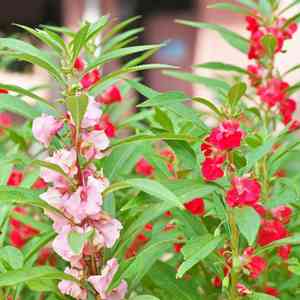
1
Hint: Apply a balanced plant food containing an equivalent proportion of nitrogen (N), phosphorus (P), and potassium (K) for peak development.
2
Insight: Impatiens balsamina flourishes in soil that drains effectively, facilitating efficient nutrient uptake.
3
Hint: Consistently check the soil's pH level to maintain it at a slightly acidic range of 6.0 - 6.5 for superior outcomes.
Understanding the Nutritional Needs of Garden balsam
What Nutrients Does Garden balsam Require?
For robust growth of your Garden balsam, supplying appropriate nutrients is vital. These annuals require a blend of fundamental nutrients like nitrogen (N), phosphorus (P), and potassium (K). Nitrogen supports leaf development, phosphorus aids strong root growth and bloom production, and potassium boosts overall plant health and disease resistance. Additionally, micronutrients such as magnesium, calcium, and iron contribute to their lush appearance and vibrant flowers.
The Role of NPK in Garden balsam Health
The NPK ratio is a key factor in fertilizing Garden balsam. Nitrogen (N) is essential for leaf development, phosphorus (P) assists in root and flower formation, and potassium (K) enhances general plant vigor. A balanced NPK fertilizer (e.g., 10-10-10) is optimal for Garden balsam. This ensures an even supply of vital nutrients, promoting healthy foliage, strong roots, and abundant blooms.
Choosing the Right Fertilizer for Garden balsam
Synthetic vs Organic Fertilizers: Which is Better?
When selecting fertilizers for your Garden balsam, you can choose between synthetic and organic options. Synthetic fertilizers provide precise nutrient ratios and rapid release, which can be useful for immediate plant needs. However, they might lead to nutrient runoff and potentially harm soil health over time. Organic fertilizers, conversely, improve soil structure and offer a slow release of nutrients, promoting long-term plant and soil well-being. Consider your gardening aims and ecological footprint when deciding.
How to Select a Fertilizer Based on Soil Type
Your soil type significantly influences the best fertilizer for Garden balsam. Well-draining soils facilitate better nutrient absorption. For sandy soils that drain quickly, a slow-release or organic fertilizer may be most effective to ensure nutrients are available over time. In clay soils that retain water and nutrients longer, a balanced, fast-acting fertilizer could deliver the required nutrients without causing waterlogging. A soil analysis can help identify your soil's specific requirements and guide your fertilizer selection.
Applying Fertilizer to Garden balsam
When is the Best Time to Fertilize Garden balsam?
For optimal outcomes, fertilize your Garden balsam during summer when the plant is actively growing. Summer feeding supports the plant's energy demands for developing abundant foliage and numerous flowers. Aim to nourish your plants every 4-6 weeks during this period, but always adhere to the specific instructions on your fertilizer product. Observe your plants' health and adjust feeding frequency as needed.
Methods for Fertilizing Garden balsam
Several methods exist for applying fertilizer to your Garden balsam. One simple approach is soil incorporation, where you mix the fertilizer into the soil before planting. Top-dressing, applying fertilizer to the soil surface around the base of established plants, is another choice. Liquid fertilizers can be diluted and applied directly to the soil or as a foliar spray, encouraging immediate nutrient uptake. Regardless of the method, ensure consistent watering to help dissolve and evenly distribute the nutrients.
Monitoring Fertilizer Impact on Garden balsam Growth
Following application, it's vital to observe the effects of the fertilizer on your Garden balsam's development. Look for signs like vibrant leaves, sturdy stems, and plentiful flowers as indicators of successful fertilization. Conversely, yellowing leaves, stunted development, or poor blooming might signal nutrient deficiencies or excessive fertilization. Regularly check soil moisture and pH levels to ensure they remain suitable for nutrient absorption and modify your fertilizing practices accordingly.
Common Mistakes to Avoid While Fertilizing Garden balsam
Over-Fertilization Hazards
Excessive fertilization of your Garden balsam can cause several problems, including nutrient burn, where surplus salts from the fertilizer harm the roots, leading to yellowing or browning leaves. It can also disrupt the balance of soil nutrients, making it harder for the plant to absorb water and other essential minerals. Adhere to recommended application rates and frequencies to prevent these issues and ensure your plants receive the correct amount of nutrients.
Ignoring Soil pH Levels
Soil pH significantly impacts nutrient availability for Garden balsam. These plants prefer slightly acidic soil, with a pH range of 6.0 to 6.5. If the soil pH is too high or too low, it can prevent the uptake of certain nutrients, leading to deficiencies even with proper fertilization. Routinely test your soil's pH and amend it as needed with lime to increase pH or sulfur to decrease pH, ensuring your plants can fully utilize the provided nutrients.



