Optimal Fertilizer for Growing Inkberry: What You Need to Know
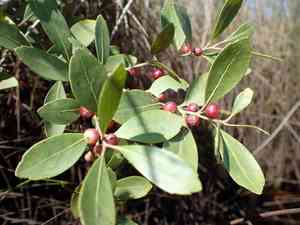
1
Apply a balanced, extended-release plant food to avoid nutrient loss.
2
Nourish Inkberry mainly in early Spring for optimal growth.
3
Periodically test soil acidity; Inkberry thrives in somewhat acidic conditions.
Understanding Inkberry's Nutritional Requirements
Key Nutrients for Inkberry Growth
For your Inkberry to flourish, grasping its fundamental nutrient demands is vital. Primarily, Inkberry requires a balanced supply of primary nutrients: nitrogen (N), phosphorus (P), and potassium (K). Nitrogen is crucial for fostering lush, green foliage, phosphorus aids in root development and blooming, and potassium contributes to overall plant vitality and disease resistance. Additionally, trace elements like iron, manganese, and magnesium play supportive roles in maintaining vibrant growth. A balanced, slow-release plant food, often labeled as 10-10-10 (N-P-K), is perfect for meeting these dietary needs.
Indicators of Nutrient Shortages
Identifying signs of nutrient deficiencies can help you resolve problems before they worsen. For Inkberry, yellowing leaves often point to a nitrogen deficit, while poor root growth and stunted development can signal a lack of phosphorus. If the leaves develop brown edges, your plant might be low on potassium. Noticing these symptoms early and modifying the feeding regimen can prevent lasting harm and ensure your plant stays healthy.
Selecting the Appropriate Fertilizer for Inkberry
Fertilizer Varieties Suitable for Inkberry
Choosing the correct type of plant food is a crucial step in Inkberry maintenance. Slow-release granular fertilizers are excellent for delivering a consistent supply of nutrients over time. Liquid fertilizers can provide a rapid nutrient boost, ideal for addressing specific deficiencies. Organic options, such as compost or well-rotted manure, not only supply essential nutrients but also enhance soil structure and microbial activity. For those who prefer synthetic alternatives, ensure the fertilizer is balanced and appropriate for acid-loving plants.
Organic vs. Synthetic: Which is Optimal for Inkberry?
The decision between organic and synthetic plant foods depends on your gardening objectives and preferences. Organic fertilizers, derived from natural sources, enrich the soil and promote sustainable practices. They release nutrients gradually, minimizing the risk of runoff and burning. Conversely, synthetic fertilizers offer a precise and immediate nutrient surge, often more economical and simpler to apply. For Inkberry, organic fertilizers might be more advantageous due to their soil-improving qualities, though a balanced approach using both types can also be effective.
When to Fertilize Inkberry
Optimal Times of Year for Feeding
Timing your fertilization efforts is essential for encouraging healthy growth. The best time to fertilize Inkberry is during early Spring when the plant is preparing for its active growth period. This allows the plant to utilize the nutrients efficiently, supporting robust development. Avoid fertilizing in late Fall or Winter, as the plant enters dormancy and does not actively absorb nutrients, which could lead to nutrient runoff and waste.
Fertilization Frequency and Schedule
For Inkberry, a single application of slow-release fertilizer in early Spring is usually sufficient. However, depending on soil quality and plant health, you might consider a second, lighter application in mid-summer. Avoid over-fertilizing as it can lead to excessive, weak growth and increased susceptibility to pests and diseases. Always adhere to the manufacturer's guidelines regarding the quantity and frequency of application.
How to Apply Fertilizer to Inkberry
Step-by-Step Fertilizer Application Methods
Applying fertilizer correctly is vital for ensuring your Inkberry benefits from the provided nutrients. Follow these steps for effective application:Measure the recommended amount of fertilizer based on the plant's size and age.Evenly distribute the fertilizer around the base of the plant, avoiding direct contact with the stems or leaves.Gently rake or mix the fertilizer into the top layer of soil.Water thoroughly to help dissolve the fertilizer and facilitate nutrient absorption.
Tips for Uniform Distribution and Uptake
Uneven fertilizer application can result in nutrient hot spots or deficiencies. To ensure even distribution:Use a broadcast spreader for granular fertilizers to achieve uniform coverage.For liquid fertilizers, dilute according to the instructions and apply with a watering can for consistent dispersion.After application, water the plant well to help the nutrients penetrate the soil and reach the root zone.
Monitoring Plant Health Post-Fertilization
Observing Growth and Color Changes
After fertilizing your Inkberry, observe its overall health and development. Healthy plants will display vibrant green leaves and steady, vigorous growth. Compare the plant's appearance before and after fertilization, looking for signs of improvement. If the plant shows little to no response, re-evaluate your fertilization strategy or check for other underlying issues such as pests or diseases.
Adjusting Care Based on Plant Response
Plants are dynamic, and their needs may evolve over time. Based on how your Inkberry reacts to fertilization, modify your care routine. If the plant appears overly vigorous, reduce the frequency or amount of fertilizer. Conversely, if growth remains sluggish, consider additional feeding or soil testing to identify other potential deficiencies. Always be attentive to the plant's health and be flexible in your approach for optimal care.



