Optimal Fertilizer for Growing Common holly: What You Need to Know
1
For optimal growth, fertilize common holly in early spring, precisely when its active growth period commences.
2
Refrain from applying too much nitrogen-rich fertilizer, as this can lead to elongated stems and decreased berry yield.
3
Employ a controlled-release granular feed to ensure a consistent nutrient delivery to your common holly.
Understanding the Nutritional Needs of Common holly
Essential Nutrients for Healthy Development
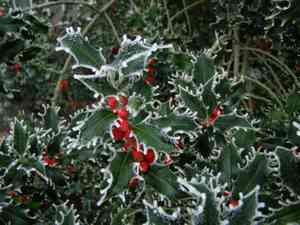
For your Common holly to thrive vibrantly, comprehending its nutritional requirements is key. This plant needs a balanced blend of vital nutrients to maintain its lustrous green foliage and vivid red fruits. Crucial elements include nitrogen (N), which fosters abundant leaves; phosphorus (P), vital for root growth and blossom formation; and potassium (K), which boosts overall plant vitality and disease resistance. A well-balanced plant food will maintain these nutrients at ideal concentrations.
Signs of Nutrient Deficiencies
Detecting nutrient shortages early can prevent lasting harm to your Common holly. Typical indicators include yellowing leaves (suggesting a nitrogen deficit), limited flowering or fruiting (due to insufficient phosphorus), and fragile stems or browning leaf edges (a sign of potassium shortage). Observing these symptoms will aid in making timely modifications to your feeding schedule.
Selecting the Right Fertilizer for Common holly
Types of Fertilizers: Organic vs. Synthetic
The choice between organic and synthetic plant foods depends on your gardening preferences and your Common holly's specific requirements. Organic fertilizers, such as compost or aged manure, release nutrients slowly, enhance soil structure, and are eco-friendly. Conversely, synthetic fertilizers deliver nutrients rapidly and are often easy to apply thanks to their precise formulations. Both can be effective, but for enduring soil health, integrating organic options is highly recommended.
Recommended NPK Ratio
The NPK ratio indicates the proportion of nitrogen, phosphorus, and potassium in a fertilizer. For Common holly, an even NPK balance like 10-10-10 or 12-6-6 is perfect. These ratios ensure a consistent supply of essential nutrients, encouraging robust growth and fruit production. If your soil analysis reveals particular deficiencies, you can opt for a fertilizer tailored to those specific needs.
When and How Often to Fertilize Common holly?
Best Times of Year for Fertilization
Timing is critical when feeding Common holly. Early spring is the optimal period to apply fertilizer, just before new growth commences. This timing ensures the plant has the necessary nutrients to support vigorous development throughout the season. A second, lighter application can be made in mid-summer if required, but avoid fertilizing late in the season to prevent tender new growth from winter damage.
Understanding Fertilization Frequency
Common holly generally requires feeding once a year, in early spring. However, younger plants or those in nutrient-poor soil might benefit from a secondary application in mid-summer. Excessive fertilization can harm the plant, so it's essential to adhere to recommended guidelines and only adjust based on observed plant health and growth patterns.
Applying Fertilizer to Common holly
Step-by-Step Guide on Fertilizer Application
Correct fertilizer application ensures your Common holly reaps the most benefits. Follow these steps: 1. Measure the appropriate fertilizer quantity according to the manufacturer's directions. 2. Evenly spread the fertilizer on the soil surface around the plant's base, avoiding direct contact with the main stem. 3. Gently rake the fertilizer into the top 5-10 cm (2-4 inches) of soil. 4. Water the area thoroughly to aid in dissolving and activating the plant food.
Common Mistakes to Avoid
Errors in fertilizing Common holly can lead to stunted growth or even plant harm. Frequent missteps include over-fertilization, which can burn roots and hinder development, and applying fertilizer too close to the trunk, which can injure the plant. Always follow manufacturer's instructions and adjust based on soil tests and plant health observations. Remember, more is not always better when it comes to plant feeding.
Monitoring Common holly After Fertilization
Tracking Growth and Health Post-Fertilization
After feeding, observe your Common holly for indications of improved health and growth. Look for vibrant, green leaves, increased branching and berry production, and overall robustness. Regularly check the soil moisture and modify watering as necessary, as proper hydration aids in nutrient absorption.
Adjustments and Additional Care Tips
Based on your observations, make any necessary changes to your care regimen. If growth remains poor, consider a soil test to check for specific nutrient deficits or pH imbalances. Mulching around the plant's base can help retain moisture and enhance soil quality over time. Pruning dead or weak branches improves air circulation and light penetration, fostering healthy development.



