Optimal Fertilizer for Growing Common hyacinth: What You Need to Know
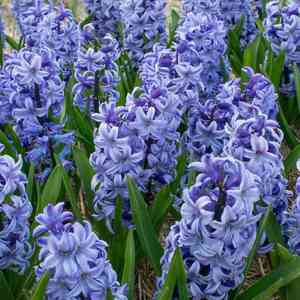
1
Frequently check the hue and form of your Common hyacinth foliage, as these often signal its nutritional status.
2
Spring presents the optimal period to nourish your Common hyacinth for vigorous development and vivid flowers.
3
Refrain from excessive fertilization, which may lead to bulb decay and compromise your hyacinth's well-being.
Understanding the Nutritional Needs of Common hyacinth
Essential Nutrients for Optimal Growth
To ensure your Common hyacinth flourishes, it's vital to grasp its dietary requirements. Nitrogen (N) promotes leaf development, phosphorus (P) supports root and bloom formation, and potassium (K) contributes to overall plant vigor. These primary nutrients are crucial for the plant's health. Trace elements such as iron, magnesium, and zinc also play key roles in the plant's enzymatic and metabolic functions.
Signs of Nutrient Deficiencies
Recognizing nutrient deficiencies is fundamental for proper plant care. If your Common hyacinth exhibits yellowed foliage, stunted development, or dull blossoms, these could be indicators of nutrient shortages. For example, pale leaves often suggest a nitrogen deficit. Poor flowering might stem from insufficient phosphorus. Monitoring these signs enables swift action and adjustment of your feeding regimen.
Choosing the Right Fertilizer for Common hyacinth
Types of Fertilizers Suitable for Bulbous Plants
For Common hyacinth, slow-release granular feeds and liquid nutrient solutions are frequently advised. Slow-release fertilizers deliver nutrients gradually, which is advantageous for continuous development. Liquid fertilizers, conversely, can provide a rapid nutrient boost. Seek a balanced N-P-K ratio, such as a 10-10-10 or 5-10-5 formula, to meet the general needs of bulb-forming plants.
Organic vs. Synthetic Fertilizers: Pros and Cons
Organic fertilizers like compost, bone meal, or fish emulsion offer a natural nutrient source and improve soil quality but may act more slowly. Synthetic fertilizers are formulated for quick nutrient release and provide precise nutrient ratios. However, they can potentially lead to nutrient accumulation if not managed correctly. Both types have their benefits, and the choice often depends on your specific requirements and preferences.
Best Practices for Fertilizing Common hyacinth
When to Fertilize for Optimal Growth
The ideal time to fertilize your Common hyacinth is in early spring, just as the growing period commences. This timing allows the bulbs to fully benefit from the added nutrients, promoting lush foliage and vibrant flowers. Avoid fertilizing late in the growing cycle as this can encourage new growth that may not harden off before autumn, making your plants more vulnerable to frost.
How to Apply Fertilizer Correctly
Distribute fertilizer evenly around the base of your Common hyacinth, taking care to prevent direct contact with the bulb itself. For granular fertilizers, a small hand trowel can be used to incorporate the fertilizer into the top inch (2.5 cm) of soil. For liquid fertilizers, adhere to the manufacturer's instructions regarding dilution and application frequency. Water the plants after feeding to help the nutrients penetrate the soil.
Common Mistakes to Avoid in Fertilizing
Steer clear of typical errors such as over-fertilizing, which can cause nutrient burn and bulb rot. It's also crucial not to apply fertilizer during the dormant phase of hyacinth growth, as this can waste resources and potentially harm the bulbs. Using an inappropriate type of fertilizer, such as one with high nitrogen content, can result in excessive leaf growth at the expense of blooms.
Monitoring and Adjusting Fertilization for Common hyacinth
Observing Plant Response to Fertilization
After feeding, observe how your Common hyacinth reacts. Healthy, vibrant leaves and blossoms indicate that your fertilization methods are effective. Conversely, yellow leaves or poor flowering may signal a need to modify your fertilization approach. Regular observation helps you detect and correct any issues promptly.
Adjusting Fertilization Techniques as Needed
Based on your observations, you might need to modify the type or frequency of fertilizer applications. If signs of nutrient deficiency appear despite regular feeding, you might consider a soil analysis to pinpoint any specific nutrient imbalances. Adjust your fertilization plan accordingly, ensuring to meet the precise nutritional needs of your Common hyacinth.



