Optimal Fertilizer for Growing Common hop: What You Need to Know
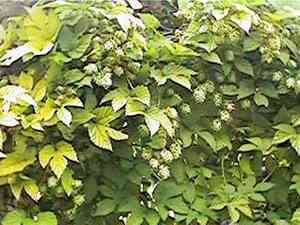
1
Common hop flourishes optimally with fertilization in early spring to encourage strong growth and maturation.
2
Observe for yellowed foliage as a sign your Common hop may lack essential nutrients, especially nitrogen.
3
A balanced NPK ratio of 4-2-4 is perfect for Common hop, promoting vigorous vine development and plentiful cone yield.
Understanding Common hop's Nutrient Requirements
Why Feeding Common hop is Essential?
Nourishing your Common hop is vital for its robust development and plentiful cone yield. Hops are heavy feeders, meaning they demand ample nutrients to flourish and produce the premium cones desired for brewing. Without proper feeding, Common hop may struggle to reach its full potential, resulting in poor harvests and weaker bines. Fertilization replenishes consumed soil nutrients, creating an ideal growth environment.
Key Nutrients Needed by Common hop
Common hop plants require various nutrients for healthy growth. The three primary nutrients to focus on are nitrogen (N), phosphorus (P), and potassium (K). Nitrogen promotes lush green foliage, crucial for vine expansion. Phosphorus aids root development and flower formation, helping the plant establish a strong base and yield better cones. Potassium boosts overall plant vigor and disease resistance, ensuring resilient and productive hops.
When to Feed Common hop?
Optimal Times of Year for Nutrient Application
The best time to fertilize Common hop is in early spring. This timing allows the plant access to vital nutrients as it emerges from dormancy and begins its active growth phase. Early spring feeding provides the hops with the necessary boost to initiate their growth. Additional light fertilization during the growing season, especially before flowering, can also support continuous growth and cone development.
Indicators That Common hop Needs Feeding
Recognizing when your Common hop plants require fertilization is crucial for maintaining their health. Common signs include yellowing leaves, often indicating a nitrogen deficiency, slow or stunted growth, and poor cone formation. Regularly checking your hops for these indicators can help you decide when to provide an extra nutrient boost to keep your plants thriving.
Selecting the Right Fertilizer for Common hop
Organic vs. Synthetic Fertilizers
Choosing between organic and synthetic fertilizers can depend on your cultivation methods and preferences. Organic fertilizers, such as compost or manure, release nutrients gradually and enhance soil health over time. They are eco-friendly and can improve soil structure. Conversely, synthetic fertilizers offer a rapid nutrient boost and are often formulated to deliver precise nutrient ratios. For Common hop, a balanced approach combining both types can be effective, ensuring immediate nutrient availability and long-term soil fertility.
Recommended NPK Ratio for Common hop
For optimal Common hop growth, a balanced NPK ratio of 4-2-4 is advised. This ratio ensures plants receive sufficient nitrogen for vigorous vine growth, phosphorus for strong root systems, and potassium for overall health and disease resistance. Using this balanced fertilizer helps maintain robust growth and high-quality cone production, essential for brewing.
How to Apply Nutrients to Common hop
Step-by-Step Fertilization Procedure
Applying fertilizer to your Common hop involves a few simple steps:Begin by testing your soil to determine its current nutrient levels.Based on the soil test, apply the recommended amount of balanced fertilizer (4-2-4 NPK) around the plant's base.Gently work the fertilizer into the topsoil, being careful not to harm the roots.Water the soil thoroughly to help dissolve the fertilizer and make nutrients accessible to the plants.Monitor plant growth and adjust fertilization as needed throughout the growing season.
How Often to Fertilize During the Growing Season
After your Common hop plants receive their initial spring fertilization, plan to feed them every 4-6 weeks throughout the growing season. This consistent feeding schedule ensures that the hops continuously receive the nutrients they need to support their rapid growth and cone development. Be careful not to over-fertilize, as this can lead to nutrient burn or imbalance, potentially damaging the plants.
Monitoring and Adjusting Nutrient Application
Tracking Growth and Health After Fertilization
Following fertilizer application, closely observe your Common hop plants to monitor their response. Healthy, fast-growing bines, lush green foliage, and the development of abundant cones indicate that your fertilization plan is effective. Regular observation helps you identify any issues early and make necessary adjustments.
Modifying Fertilization Based on Plant Feedback
Depending on how your Common hop plants react, you might need to fine-tune your fertilization schedule. If growth remains sluggish or leaves are yellowing, consider increasing the frequency or amount of fertilizer. Conversely, if you notice signs of over-fertilization, such as leaf burn or overly rapid, weak growth, reduce the fertilizer dose accordingly. Adjusting your approach based on plant feedback ensures the healthiest and most productive hops.



