Optimal Fertilizer for Growing Roselle: What You Need to Know
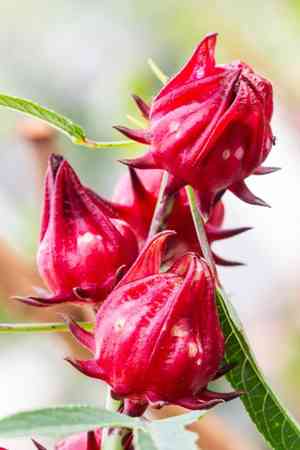
1
Roselle flourishes with fertilization during its summer growth period.
2
Prior to nutrient application, a soil analysis guarantees Roselle receives precise nourishment and prevents excessive feeding.
3
An even N-P-K blend, like 10-10-10, is perfect for fostering Roselle's development and vigor.
Deciphering Roselle's Nutritional Demands
Essential Nutrients for Roselle Health
Prior to nourishing your Roselle, it's vital to grasp the foundational nutrients crucial for its well-being. Roselle primarily relies on three key macronutrients: nitrogen (N), phosphorus (P), and potassium (K). Nitrogen is indispensable for vegetative development, promoting lush, verdant foliage. Phosphorus aids root growth, blooming, and fruit production, especially important for Roselle's renowned flowers and edible calyces. Potassium boosts overall plant vitality, strengthening disease resistance and enhancing cellular water retention. Together, these elements lay the groundwork for a robust and flourishing Roselle plant.
The Contribution of Micronutrients to Roselle's Vitality
While macronutrients are paramount, micronutrients should not be overlooked. These include elements like iron, manganese, zinc, and copper, which are required in smaller quantities but are fundamental for various physiological processes. For instance, iron is necessary for chlorophyll creation, maintaining green, healthy leaves. Zinc is involved in growth hormone synthesis and plays a role in carbohydrate metabolism. Micronutrient shortages can result in stunted growth, leaf discoloration, and reduced flowering, significantly impacting your Roselle's overall health and yield.
Evaluating Soil Nutrient Levels Before Supplementation
Prior to applying any plant food, it's prudent to assess your soil's existing nutrient profile. Conducting a soil analysis will provide a clear understanding of which nutrients your soil may lack or already possess in abundance. This data is critical as it enables you to customize your feeding strategy to Roselle's specific requirements. Excessive fertilization can be as harmful as insufficient feeding, leading to nutrient imbalances and potential plant damage. Soil testing kits are readily available and simple to use, offering valuable insights into your soil's nutrient composition.
Selecting the Appropriate Fertilizer for Roselle
Organic vs. Synthetic Fertilizers: Best Choice for Roselle?
When choosing a nutrient source for your Roselle, you'll need to decide between natural and manufactured options. Organic fertilizers, such as compost, aged manure, or bone meal, enhance soil structure and boost microbial activity, benefiting long-term soil health. They release nutrients gradually, ensuring a consistent supply. Conversely, synthetic fertilizers deliver nutrients in an immediately available form, which can spur quicker growth but may also heighten the risk of nutrient runoff and soil degradation over time. For Roselle, a balanced strategy that incorporates both types can offer optimal advantages, guaranteeing immediate nutrient access while supporting soil well-being.
Recommended Nutrient Ratios for Roselle
The ideal nutrient ratio for Roselle is typically a balanced N-P-K blend, such as 10-10-10 or 14-14-14. These ratios ensure an even provision of nitrogen, phosphorus, and potassium, addressing the plant's comprehensive growth demands. During its initial growth phases, a slightly elevated nitrogen content can foster luxuriant foliage. As the plant matures and begins to flower, a fertilizer with more phosphorus can support vigorous blooming. Always adhere to the manufacturer's instructions for application rates to prevent over-fertilization, which can cause nutrient imbalances and potential harm to the plant.
Seasonal Feeding Guidelines for Roselle
Summer represents the prime period to nourish your Roselle, as this marks its peak development season. Begin applying nutrients in late spring to early summer when the plant exhibits new growth. Administer fertilizer every 4-6 weeks throughout the summer to sustain steady growth and encourage profuse flowering. Observe the plant's reaction to fertilization and adjust as needed. If you notice indications of nutrient deficiencies or over-fertilization, modify your approach to better suit the plant's requirements. As autumn arrives, gradually reduce feeding to allow the plant to prepare for its dormant phase.
How to Administer Fertilizer to Roselle
Step-by-Step Instructions for Fertilizing Roselle
Nourishing your Roselle is a straightforward process when performed correctly. First, ensure the soil is damp before applying fertilizer to prevent root scorching. Disperse the fertilizer uniformly around the plant's base, taking care to avoid direct contact with the stems. For granular fertilizers, gently work them into the topsoil using a small hand rake or your fingers. Water the plant thoroughly after application to help the nutrients seep into the soil and reach the roots. For liquid fertilizers, follow the dilution instructions on the packaging and apply using a watering can or a hose with a fertilizer attachment. Repeat this procedure every 4-6 weeks during the summer growth period for best outcomes.
Preventing Common Fertilizing Errors with Roselle
A frequent error is applying fertilizer to dry soil, which can result in root damage. Always irrigate your Roselle before and after providing nutrients. Another mistake is excessive fertilization, which can lead to nutrient imbalances and weak development. Adhere to the suggested application rates and resist the urge to 'add a little extra.' Furthermore, neglecting to perform a soil test can result in supplying unnecessary nutrients. Understanding your soil's nutrient status can avert these problems and foster healthier plants. Lastly, avoid fertilizing late in the season, which can stimulate new growth that may not toughen up before winter, leaving the plant vulnerable to harm.
Observing Roselle Post-Fertilization
Indicators of Successful Fertilization in Roselle
Following fertilization, closely observe your Roselle for signs of effective nutrient absorption. Robust, vigorous growth, vividly green leaves, and abundant blossoms are all indicators that your feeding program is working well. Foliage should be free of discoloration or spots, which could signify nutrient shortages or imbalances. Regularly check the plant for overall vitality and revise your fertilization plan if you notice any signs of distress.
Addressing Roselle Symptoms of Fertilizer Burn
Fertilizer burn manifests as browning or yellowing leaf margins, wilting, or even plant demise in severe instances. If you suspect your Roselle is suffering from fertilizer burn, immediately drench the soil with copious amounts of water to flush away excess salts. Decrease the frequency and quantity of fertilizer application going forward and contemplate switching to a less potent fertilizer. Consistently monitor the plant for recovery signs and adjust your care regimen to prevent future occurrences.



