Optimal Fertilizer for Growing Lenten rose: What You Need to Know
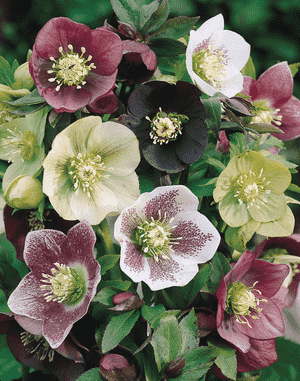
1
Hellebore flourishes with a well-rounded plant food, for instance, a 10-10-10 NPK blend.
2
Nourishing your hellebore in early spring provides the necessary impetus for its active growth period.
3
Always moisten your hellebore prior to adding fertilizer to prevent damage to the roots.
Understanding the Nutritional Requirements of Hellebore
Key Nutrients for Hellebore Vitality
The Hellebore, a resilient perennial known for its early blossoms and appealing foliage, needs specific nutrients to flourish. It requires vital elements such as nitrogen (N), phosphorus (P), and potassium (K). Nitrogen aids in leaf and stem development, phosphorus supports root growth and flowering, and potassium enhances the plant's overall vigor and disease resistance. A steady supply of these nutrients helps your Hellebore maintain its lively appearance and robust development.
The Influence of Soil Quality on Nutrient Uptake
Soil condition significantly impacts how effectively your Hellebore absorbs nutrients. Rich, well-draining soil with a balanced pH (6.5 to 7.5) is optimal. The presence of organic matter, like compost or aged manure, boosts the soil's capacity to retain moisture and nutrients. Loamy soil is often preferred for Hellebores as it offers the right balance of drainage and nutrient retention, ensuring roots can access necessary nutrients.
Selecting the Appropriate Fertilizer for Hellebore
Natural Versus Synthetic Fertilizers
When choosing between organic and synthetic fertilizers for your Hellebore, both offer advantages. Organic options, such as compost, bone meal, and fish emulsion, introduce beneficial microbes to the soil and improve its structure over time. These natural choices release nutrients gradually, lowering the risk of over-fertilization. Conversely, synthetic fertilizers provide immediate nutrient availability and are generally simpler to apply. However, improper use can lead to nutrient accumulation in the soil, negatively impacting plant health.
Recommended NPK Ratio for Hellebore
For peak growth, a balanced NPK ratio like 10-10-10 is suggested for Hellebores. This indicates the fertilizer contains 10% nitrogen, 10% phosphorus, and 10% potassium. This balanced proportion ensures all essential nutrients are available in the correct amounts. You might also consider a slow-release granular fertilizer that gradually supplies these nutrients, ensuring consistent availability throughout the growing season.
Optimal Practices for Fertilizing Hellebore
When to Fertilize Your Hellebore
The ideal time to fertilize your Hellebore is in early spring, as new growth begins to emerge. This timing aligns with the plant's natural growth cycle, providing it with the necessary nutrients to support vigorous development during the active season. Early morning is the best time of day to apply fertilizer, as cooler temperatures help prevent nutrient evaporation.
How to Correctly Apply Fertilizer
Before fertilizing, ensure your Hellebore is adequately watered to prevent root burn. Apply the fertilizer uniformly around the plant's base, avoiding direct contact with stems and leaves. It's good practice to lightly work the soil to incorporate the fertilizer, promoting better absorption. Follow the manufacturer's instructions on the fertilizer packaging regarding the correct application rate to avoid over- or under-fertilizing.
Monitoring Hellebore After Fertilization
After fertilizing, observe your Hellebore for signs of improved health and growth. Look for vibrant green leaves, strong stems, and abundant blooms as indicators of successful fertilization. Regularly check soil moisture and nutrient levels to ensure the plant's needs are met throughout the growing season. If you notice yellowing leaves or stunted growth, it might signal nutrient deficiencies or over-fertilization, requiring an adjustment to your care routine.
Common Errors to Avoid When Fertilizing Hellebore
Excessive Fertilization and Its Effects
Over-fertilizing can harm your Hellebore, leading to nutrient burn and root damage. Symptoms include brown or scorched leaf edges, excessive leaf drop, and reduced flowering. To prevent this, use the precise amount of fertilizer recommended and opt for slow-release formulas that minimize the risk of nutrient overload.
Improper Fertilizer Application Methods
Incorrect application methods, such as applying fertilizer too close to the plant's base or not mixing it into the soil, can hinder nutrient uptake and potentially damage the plant. Ensure the fertilizer is spread evenly around the root zone and incorporated into the soil for optimal results. Additionally, always adhere to the manufacturer's guidelines regarding dosage and application methods to prevent mistakes.



