Optimal Fertilizer for Growing English ivy: What You Need to Know
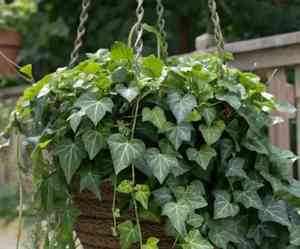
1
Applying too much fertilizer to English ivy may cause leaf damage and hinder development.
2
English ivy thrives with controlled-release plant food, ensuring a continuous nutrient supply.
3
Before and after fertilizing English ivy, always irrigate it well to avoid scorching the roots.
Deciphering English Ivy's Dietary Requirements
Crucial Nutrients for English Ivy
For English ivy to flourish, it requires a balanced intake of vital nutrients. The key nutrients necessary include nitrogen (N), phosphorus (P), and potassium (K), collectively known as macronutrients. Nitrogen supports abundant, vibrant green foliage; phosphorus assists in root development and blooming; and potassium is essential for overall plant vigor and disease resistance.
The Function of Macro- and Micronutrients
While macronutrients are vital, micronutrients such as magnesium, iron, and calcium hold equal importance for English ivy. Magnesium aids in chlorophyll production, iron is crucial for photosynthesis, and calcium reinforces cell walls. Without these trace elements, your English ivy may exhibit stunted development and poor health, even with sufficient macronutrients.
Indicators of Nutrient Scarcity in English Ivy
Recognizing the signs of nutrient deficiency is critical for maintaining your English ivy's health. Yellowing leaves often signify a lack of nitrogen, while brown leaf tips can point to a potassium shortage. Furthermore, an iron deficiency might cause young leaves to turn yellow while their veins remain green. Promptly addressing these deficiencies can help revitalize your plant.
Selecting the Appropriate Fertilizer for English Ivy
Fertilizer Varieties Suitable for English Ivy
When it comes to nourishing English ivy, several options are available. Slow-release granular fertilizers are excellent for delivering a steady nutrient supply over an extended period. Liquid fertilizers act quickly and can be absorbed through both roots and leaves. Compost and organic fertilizers enhance soil structure and naturally provide micronutrients.
Organic Versus Synthetic Fertilizers
The choice between organic and synthetic fertilizers depends on your preference and horticultural philosophy. Organic fertilizers, like compost or fish emulsion, are eco-friendly and enhance soil vitality. Synthetic fertilizers, conversely, are formulated for precise nutrient delivery but may not foster long-term soil health. Both types can be effective when utilized correctly.
Interpreting Fertilizer Product Labels
Understanding fertilizer labels is paramount for choosing the right product for your English ivy. Labels typically show a three-number sequence representing the nitrogen (N), phosphorus (P), and potassium (K) content, such as 10-10-10. This signifies that the fertilizer contains 10% nitrogen, 10% phosphorus, and 10% potassium. Opt for a balanced formula for general feeding or a specific blend if addressing a particular deficiency.
Timing Your English Ivy's Fertilization
Optimal Season for Fertilizing
The ideal time to fertilize English ivy is during spring. This is when the plant commences its active growth phase following winter dormancy. Spring fertilization helps supply the necessary nutrients for robust foliage and overall well-being. Avoid fertilizing in late fall or winter, as the plant's growth slows, and excess nutrients can be detrimental.
Recommended Fertilization Frequency
Application frequency varies based on the fertilizer type. Slow-release fertilizers generally require only one or two applications per growing season. Liquid fertilizers, however, can be applied more frequently, typically every four to six weeks. Always adhere to the manufacturer's directions to prevent over-fertilization, which can cause nutrient imbalances and plant stress.
Adjusting Fertilization Based on Plant Health and Development
Regularly observe your English ivy and modify the fertilization schedule according to its health and growth patterns. If the plant exhibits vigorous growth, you might reduce fertilization frequency. Conversely, signs of nutrient deficiency or slow growth may indicate the need for additional feedings. Always note your plant's reaction and make adjustments as needed.
Fertilizer Application for English Ivy
Steps for Correct Fertilizer Application
Applying fertilizer correctly ensures your English ivy gets the nutrients it needs without adverse effects. Follow these steps for effective fertilization:Choose a calm day to prevent fertilizer from being scattered by wind.Water the plant thoroughly the day before applying fertilizer.Measure the recommended fertilizer amount based on the plant's size.Distribute the fertilizer evenly around the plant's base.Water the plant again to help the fertilizer permeate the soil.
Preventing Common Fertilizing Errors
To ensure your English ivy flourishes, it's crucial to avoid common fertilizing mistakes. Over-fertilization is the most frequent issue, potentially causing nutrient burn and hindering growth. Always adhere to recommended rates and refrain from applying fertilizer during the plant's dormant period. Additionally, never apply fertilizer directly to dry soil, as this can lead to root damage.
Post-Fertilization Monitoring of English Ivy
After fertilizing your English ivy, carefully observe the plant for any changes in growth or health. Look for new, healthy growth and deeper green foliage as indicators of successful fertilization. If any negative symptoms, such as yellowing or leaf burn, appear, thoroughly rinse the soil with water to flush out excess nutrients and adjust your fertilization practices accordingly.



