Optimal Fertilizer for Growing Firebush: What You Need to Know
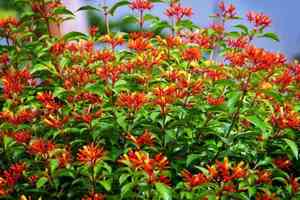
1
Firebush flourishes in soil that drains effectively and requires thorough watering weekly throughout its active growth period.
2
A single application of a slow-release 10-10-10 (N-P-K) fertilizer during the summer is optimal for Firebush.
3
Excessive fertilization can be detrimental, resulting in nutrient disparities and compromised plant vitality.
Understanding the Nutritional Needs of Firebush
Essential Nutrients for Firebush
Like all plants, Firebush needs a balanced mix of vital nutrients to flourish. Key nutrients include nitrogen (N), phosphorus (P), and potassium (K). Nitrogen promotes healthy leaf growth, phosphorus aids root development and flower production, and potassium ensures overall plant health and disease resistance. Additionally, trace elements such as magnesium, iron, and calcium support the Firebush's general well-being.
Signs of Nutritional Deficiencies
Early detection of nutrient deficiencies can prevent long-term harm to your Firebush. Common indicators of nutrient lack include yellowing leaves, stunted growth, and poor blooming. For example, a nitrogen deficiency often appears as pale or yellow leaves, while a phosphorus deficiency might cause dark green or purplish foliage and weak root development. Observing these signs closely helps in applying timely treatments.
Choosing the Right Fertilizer for Firebush
Types of Fertilizers Suitable for Firebush
When selecting fertilizers for your Firebush, several options are available. Balanced formulas like a 10-10-10 (N-P-K) are generally recommended, providing a good blend of essential nutrients. Slow-release fertilizers are also beneficial, delivering nutrients over an extended period, ensuring steady growth and reducing the risk of over-fertilization.
Organic Vs. Synthetic Fertilizers
Both organic and synthetic fertilizers have pros and cons. Organic options, such as compost or aged manure, improve soil structure and boost microbial activity, fostering long-term plant health. Synthetic fertilizers, conversely, offer precise nutrient balance and are simpler to apply. The choice depends on your gardening approach and the specific requirements of your Firebush.
How Often to Fertilize Firebush?
Fertilizing During Growing Season
The best time to fertilize Firebush is during its active growth period, especially in summer. At this time, the plant is actively growing, requiring more nutrients to support flowering and foliage development. A single application of a slow-release fertilizer in early summer is usually enough, but more frequent feeding might be needed if the soil is poor or the plant shows deficiency signs.
Adjustments for Dormant Periods
During dormant periods, typically in fall and winter, your Firebush needs minimal feeding. Excessive fertilization then can lead to nutrient accumulation in the soil, risking root burn and other problems. It's best to reduce or stop fertilizer application during dormancy to avoid unnecessary plant stress.
Applying Fertilizer to Firebush
Step-by-Step Guide to Fertilizing Firebush
Fertilizing your Firebush is a simple process when done correctly. Here's a straightforward guide to assist you:Measure the required fertilizer amount according to the manufacturer's directions.Evenly spread the fertilizer around the plant's base, ensuring it doesn't touch stems or leaves.Gently rake the soil to mix the fertilizer into the top few centimeters (or inches).Water the plant thoroughly to help dissolve the fertilizer and aid nutrient uptake.Monitor the plant's response and adjust feeding as needed.
Common Mistakes to Avoid
When fertilizing your Firebush, it's crucial to avoid certain common errors. Over-fertilization can cause nutrient imbalances, leading to burnt roots and declining plant health. Applying fertilizer too close to the plant's base can also damage stems and foliage. Always follow recommended dosages and timings to ensure proper care. Additionally, ensure adequate watering after fertilizing to assist nutrient assimilation.



