Optimal Fertilizer for Growing Scarlet-star: What You Need to Know
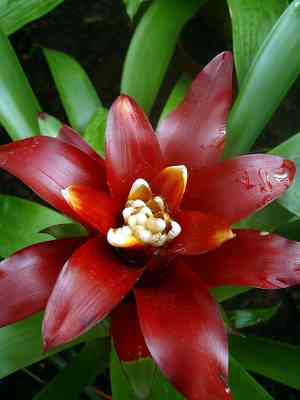
1
Scarlet-star flourishes in well-lit, but not directly exposed, conditions, perfect for interior settings.
2
Excessive fertilization of Scarlet-star may result in nutrient toxicity, causing the ends of its leaves to brown.
3
Employing a universal 20-20-20 or 10-10-10 plant food delivers crucial nourishment in appropriate quantities.
Understanding the Nutritional Needs of Scarlet-star
Essential Nutrients for Healthy Growth
For your Scarlet-star to thrive, comprehending its dietary demands is crucial. Primary nutrients vital for robust growth include nitrogen (N), phosphorus (P), and potassium (K). These major elements fulfill key functions: nitrogen encourages abundant, green foliage; phosphorus aids root development and blossoming; and potassium boosts overall plant resilience and disease defense. Furthermore, Scarlet-star benefits from trace elements such as iron, magnesium, and calcium. These micronutrients, though required in smaller quantities, are indispensable for sustaining plant vitality and preventing deficiencies.
Signs of Nutrient Deficiencies
Spotting nutrient deficiencies early can help resolve problems before they affect your Scarlet-star's well-being. Typical indicators of shortages include yellowing leaves (chlorosis), often signaling insufficient nitrogen. A lack of phosphorus might show as inhibited growth and dark green or purplish foliage. Potassium deficiency can lead to leaf edges turning brown and slight curling. By observing these visual clues carefully, you can take prompt corrective actions to restore nutrient balance.
Choosing the Right Fertilizer for Scarlet-star
Types of Fertilizers: Organic vs Synthetic
Regarding fertilizing your Scarlet-star, you have two primary options: natural and chemical fertilizers. Organic fertilizers, sourced from living matter, gradually release nutrients and enhance soil quality over time. Examples include compost, vermicompost, and liquid kelp extracts. In contrast, synthetic fertilizers are chemically formulated to rapidly deliver specific nutrient ratios. While they provide quick results, they might not contribute to long-term soil health. Both types have advantages, but a balanced strategy employing both can yield optimal outcomes.
How to Determine the Best Fertilizer Composition
Selecting the appropriate fertilizer blend for your Scarlet-star involves understanding the plant's requirements and your particular growing environment. A balanced fertilizer, such as 20-20-20 or 10-10-10, provides equal proportions of nitrogen, phosphorus, and potassium and is generally a safe choice. For blooming Scarlet-star, a fertilizer with higher phosphorus content (e.g., 15-30-15) can support vigorous flowers. Always adhere to the manufacturer's directions for dosage and frequency of application to avoid over- or under-fertilizing.
Optimal Fertilizing Techniques for Scarlet-star
Step-by-Step Fertilizing Procedure
To correctly fertilize your Scarlet-star, follow these instructions:Select a balanced liquid or slow-release granular plant food.Dilute liquid fertilizer as directed, typically mixing 5 ml (1 teaspoon) per liter (0.26 gallons) of water.Thoroughly water the plant before applying fertilizer to prevent root damage.Apply the diluted fertilizer around the plant's base, avoiding direct contact with leaves and blooms.For slow-release granular fertilizer, sprinkle evenly on the soil surface and gently incorporate it.Fertilize every 4-6 weeks during the active growth period, reducing frequency in colder months.
Common Mistakes to Avoid When Fertilizing
Preventing typical fertilizing errors can ensure your Scarlet-star stays healthy. Excessive fertilization can lead to nutrient burn, causing leaf tips to brown. Conversely, insufficient fertilization might result in stunted growth and poor flowering. Always dilute liquid fertilizers as per instructions and refrain from applying fertilizer to dry soil. Furthermore, over-watering after fertilization can wash away nutrients before absorption. Monitoring and adapting your approach based on the plant's reaction will help maintain peak health.
Maintaining Scarlet-star Post-Fertilization
Monitoring Plant Health and Growth
After fertilizing, closely observe your Scarlet-star's health and development. Notice alterations in foliage color, leaf texture, and overall vitality. A thriving plant will display vibrant, green leaves and consistent growth. Watch for any indications of over-fertilization, such as browning leaf tips or mineral buildup on the soil surface. Routinely check for pests and diseases, as a healthy, well-nourished plant is more resilient to these issues.
Adjusting Fertilization Schedules as Needed
Based on your observations, modify fertilization routines as required to meet your Scarlet-star's specific demands. During peak growing season (summer), maintain a more frequent feeding schedule, every 4-6 weeks. In autumn and winter, decrease the frequency to avoid overloading the plant when growth slows. Flexibility and responsiveness in your fertilizing strategy will help ensure continuous health and lush growth throughout the year.



