Optimal Fertilizer for Growing Common globe amaranth: What You Need to Know
1
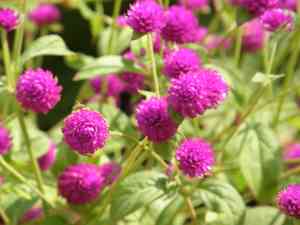
The vivid colors of common globe amaranth flowers are highly prized, particularly for their remarkable color retention when preserved through drying.
2
Applying fertilizer in the summer enhances the common globe amaranth's defense against pests and illnesses, promoting an uninterrupted display of blooms.
3
Following fertilization, always give your common globe amaranth a good watering to aid nutrient absorption into the soil and delivery to the root system.
Deciphering the Dietary Requirements of Common Globe Amaranth
The Contribution of Primary Nutrients to Vigor and Blossom
Major nutrients—nitrogen (N), phosphorus (P), and potassium (K)—are vital for the robust development of Common globe amaranth. Nitrogen promotes leaf expansion and general plant vitality, phosphorus aids strong root establishment and lush flowers, and potassium ensures resilient stem structure and disease defense. Collectively, these elements foster abundant foliage and prolific flowering, which are key to the plant's aesthetic appeal during the vibrant summer months.
Importance of Minor Nutrients for Brilliant Blossoms
Minor nutrients, though required in smaller quantities, are equally crucial for Common globe amaranth's well-being. Elements such as iron, manganese, and zinc contribute to the intense hues of the blooms and overall plant health. For example, iron prevents foliage from yellowing, while manganese and zinc support photosynthesis and growth. Ensuring a balanced supply of these nutrients will result in more vivid and long-lasting flowers.
Selecting the Appropriate Fertilizer for Common Globe Amaranth
Organic Versus Synthetic Fertilizers: Advantages and Disadvantages
When choosing between organic and synthetic fertilizers, each option presents benefits and drawbacks. Organic fertilizers, derived from natural sources, enhance soil structure and microbial life, promoting long-term plant health. However, their nutrient release is slow, leading to gradual improvement. Conversely, synthetic fertilizers deliver a rapid nutrient boost, stimulating quick growth and flowering. Yet, excessive use may degrade soil over time. Evaluating your Common globe amaranth's immediate needs and long-term garden health will guide your selection.
Recommended NPK Ratio for Luxuriant Growth
For Common globe amaranth, an NPK ratio of 10-10-10 or 14-14-14 is ideal. This balanced blend ensures the plant receives proportionate amounts of nitrogen, phosphorus, and potassium, leading to healthy foliage, vigorous root systems, and abundant flowering. Applying this balanced fertilizer during its peak summer growing season will offer optimal support for vibrant and continuous blooms.
Optimal Fertilizing Methods and Schedule
How Frequently to Fertilize During Active Growth Periods?
Throughout the summer growing season, fertilize your Common globe amaranth approximately every 4-6 weeks. This consistent regimen keeps the soil nutrient-rich, guaranteeing continuous support for the plant's development and flowering phase. Adjust the frequency based on the plant's appearance and growth rate; exceptionally fast or slow growth may signal a need for changes in fertilization frequency.
Application Advice for Even Nutrient Distribution
To ensure even nutrient distribution, apply fertilizer uniformly around the base of your Common globe amaranth, avoiding direct contact with the stems to prevent damage. Granular fertilizers can be gently worked into the soil, while liquid fertilizers should be diluted as instructed and applied with watering. Thorough watering after fertilization helps nutrients permeate deeper into the soil and reach the root zone effectively.
Monitoring Common Globe Amaranth's Health After Fertilization
Recognizing Indicators of Sufficient Fertilization
Signs of adequate fertilization in Common globe amaranth include improved leaf coloration, an increased growth rate, and profuse blooming with brightly colored flowers. Healthy plants will exhibit strong, firm stems and an overall robust appearance. Regular observation will help you detect these positive changes, allowing for timely adjustments in care practices if necessary.
Addressing Over-Fertilization and Nutrient Burn
Excessive fertilization can result in nutrient burn, identified by yellowing or browning leaves, reduced growth, and root damage. To remedy this, thoroughly rinse the soil with ample water to flush out surplus salts and nutrients. Pause fertilization temporarily and observe the plant's recovery. Maintaining a balanced fertilization approach and adhering to product guidelines can prevent over-fertilization, ensuring your Common globe amaranth thrives without undue stress.



