Optimal Fertilizer for Growing Maidenhair tree: What You Need to Know
1
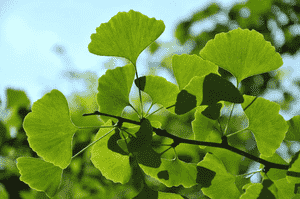
The Ginkgo tree represents one of the most ancient tree species still in existence, having a lineage that extends beyond 270 million years.
2
Applying fertilizer to your Maidenhair tree during the initial weeks of spring can boost its development and maintain its vitality all year long.
3
Natural fertilizers typically release nutrients more gradually compared to chemical options, yet they contribute to better soil quality in the long run.
Grasping the Nutritional Requirements of Maidenhair Tree
Crucial Nutrients for Maidenhair Tree
The Maidenhair tree needs a balanced supply of macro- and micronutrients to flourish. Key macronutrients include nitrogen (N), which promotes leaf development; phosphorus (P), vital for root establishment; and potassium (K), which aids overall tree vitality and disease resistance. Additionally, trace elements such as iron, manganese, and zinc support various physiological processes.
Indicators of Nutrient Deficiency
If your Maidenhair tree lacks essential nutrients, it will display specific symptoms. Yellowing foliage can signal a nitrogen shortage, while stunted root growth might point to insufficient phosphorus. Brown leaf margins could indicate a potassium deficiency. By noticing these signs, you can promptly address nutrient imbalances.
Selecting the Appropriate Fertilizer for Your Maidenhair Tree
Fertilizer Varieties Suitable for Maidenhair Tree
For optimal development, you can choose between granular or liquid fertilizers. Granular options, like 10-10-10 or 20-20-20 formulas, can be spread around the tree's base and will gradually release nutrients. Liquid fertilizers, applied directly to the soil or leaves, offer a quick nutrient boost.
Organic vs. Synthetic Fertilizers
Both organic and synthetic fertilizers offer advantages. Organic choices, such as compost or manure, enhance soil structure and encourage beneficial microbes. While their nutrient release might be slower, they contribute to long-term soil fertility. Synthetic fertilizers, conversely, provide swift and precise nutrient uptake but can sometimes diminish soil quality if overused.
Fertilization Schedule for Maidenhair Tree
Fertilizing During Active Growth Periods
It's best to fertilize your Maidenhair tree in early spring, as new growth commences. This timing ensures the tree has the necessary nutrients to support its most vigorous growth phase. A mid-summer application may also be considered if the tree exhibits signs of nutrient deprivation or if the soil quality is poor.
Adjusting Fertilization During Dormant Periods
During the tree's inactive phase in late autumn and winter, decrease or cease fertilization entirely. Fertilizing during dormancy can lead to nutrient accumulation in the soil, potentially harming the tree. It's advisable to wait until the next growth season before resuming feeding.
Detailed Fertilization Guide for Maidenhair Tree
Preparing the Soil for Fertilization
Start by testing the soil pH, which should ideally fall between 5.0 and 7.0 for Maidenhair trees. Adjust the pH if needed using lime (for acidic soils) or sulfur (for alkaline soils). Remove any weeds or debris from around the tree's base to ensure better nutrient absorption.
Application Methods for Effective Nutrient Uptake
When applying granular fertilizer, distribute it evenly around the tree's drip line, the area directly beneath the canopy. Avoid placing fertilizer too close to the trunk. If using liquid fertilizer, follow the manufacturer's instructions for dilution and apply it uniformly to the soil or foliage. Water the tree thoroughly after applying fertilizer to help the nutrients penetrate the soil.



