Optimal Fertilizer for Growing Barberton daisy: What You Need to Know
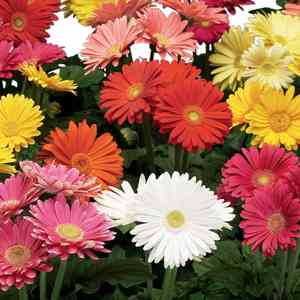
1
Barberton daisy benefits most from nutrient application during its initial growth phase in spring.
2
Excessive fertilization may result in nutrient toxicity, indicated by yellowed foliage and inhibited development.
3
Regular irrigation following fertilization is essential for uniform nutrient distribution throughout the soil.
Understanding the Nutrient Needs of Barberton daisy
The Importance of Balanced Nutrition
For the Barberton daisy to thrive, a well-rounded diet is crucial. This vibrant flowering species demands a precise blend of nutrients to guarantee vigorous development and abundant blooms. Balanced feeding involves supplying appropriate quantities of macronutrients (nitrogen, phosphorus, and potassium) along with essential micronutrients. Without this equilibrium, your Barberton daisy might struggle to flower or develop vulnerabilities that could lead to disease.
Key Nutrients for Optimal Growth
Nitrogen fosters lush, verdant foliage, phosphorus promotes robust root systems and vivid flowers, and potassium enhances the plant's overall resilience and disease resistance. Beyond these primary elements, Barberton daisy also benefits from trace elements like iron and magnesium, which aid in chlorophyll synthesis and overall plant vitality. A shortage of any of these nutrients can hinder the plant's growth and blooming capacity.
Choosing the Right Fertilizer for Barberton daisy
Types of Fertilizers: Pros and Cons
When selecting a fertilizer for your Barberton daisy, it's vital to understand the various forms available. Granular fertilizers are simple to apply and offer a slow-release benefit, providing nutrients over an extended duration. However, they can be more challenging to dose accurately. Liquid fertilizers ensure rapid absorption for immediate nutrient availability, but they necessitate more frequent applications. Each type presents its advantages and considerations, so choose based on your gardening practices and your plant's specific requirements.
Organic Versus Synthetic Fertilizers
Organic fertilizers, derived from natural sources such as compost, manure, and bone meal, are excellent for enhancing soil quality and delivering a slow, steady release of nutrients. They improve soil structure and encourage beneficial microbial activity. Conversely, synthetic fertilizers are manufactured chemical compounds formulated for precise nutrient delivery. While they yield quick results, they can sometimes cause nutrient imbalances and might harm beneficial soil organisms. Weighing these advantages and disadvantages will help you make an informed decision for your Barberton daisy's benefit.
Optimal Fertilizing Frequency for Barberton daisy
Seasonal Fertilizing Guidelines
The best time to fertilize your Barberton daisy is in early spring. During this period, the plant begins its active growth phase, requiring a boost of nutrients to support its development. Depending on the fertilizer type used, reapply every 4 to 6 weeks throughout the growing season to ensure continuous nourishment. Always adhere to the manufacturer's instructions and adjust based on your plant's reaction.
Signs of Over-Fertilizing and How to Correct It
Excessive fertilization of Barberton daisy can lead to nutrient toxicity, which manifests as yellowing leaves, browning leaf tips, or stunted development. If you observe these symptoms, reduce the frequency of fertilization and thoroughly flush the soil with ample water to help wash away surplus nutrients. Ensuring proper drainage can prevent future issues related to over-fertilizing and maintain your plant's health.
How to Fertilize Barberton daisy: Step-by-Step Guide
Preparing Your Fertilizer Mix
Begin by selecting a balanced, water-soluble fertilizer (e.g., 10-10-10 N-P-K ratio). Measure the correct quantity according to the package directions, typically mixing it with water in a watering can. For organic alternatives, you might need to incorporate compost or well-rotted manure into the soil.
Application Techniques for Effective Results
Gently pour the fertilizer mixture around the base of the Barberton daisy, being careful to avoid direct contact with the leaves and stem. This prevents potential chemical burns from the fertilizers. Follow up with thorough watering to help distribute the nutrients evenly. For granular fertilizers, sprinkle them uniformly over the soil surface and lightly rake them in, then water thoroughly. Consistent observation of your plant's growth will guide you in subsequent applications or adjustments.



