Optimal Fertilizer for Growing Green ash: What You Need to Know
1
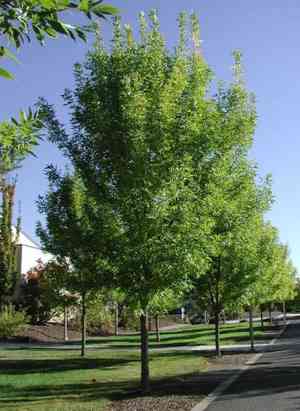
Green ash trees usually increase in height by 12 to 24 inches (30 to 60 cm) annually with adequate fertilization.
2
Prior to applying fertilizer, soil analysis can identify the precise nutritional requirements of your Green ash.
3
Applying mulch around the trunk of your Green ash tree aids in moisture retention and enhances soil health.
Grasping the Nutritional Requirements of Green ash
Crucial Nutrients for Green ash
For your Green ash to flourish, understanding its dietary needs is vital. Key elements like nitrogen (N), phosphorus (P), and potassium (K) are essential for its well-being. Nitrogen aids in foliage growth, phosphorus supports strong root systems and bloom development, while potassium boosts stress resistance and overall plant vitality. A balanced N-P-K ratio, such as 10-10-10, can greatly benefit your Green ash.
Indicators of Nutrient Shortages
Nutrient deficiencies can harm your Green ash's health. Watch for yellowing leaves, stunted development, or poor leaf formation, often signs of nitrogen deficiency. If you notice weak root growth or a lack of flowers, your tree might need more phosphorus. Potassium deficiency frequently appears as browning leaf edges or fragile stems. Early detection of these signs helps address nutritional gaps quickly.
Selecting the Appropriate Fertilizer for Green ash
Fertilizer Varieties Suitable for Green ash
When choosing a fertilizer for your Green ash, consider both its nutrient makeup and your tree's specific requirements. Slow-release granular fertilizers are a popular option as they supply nutrients over an extended period. Liquid fertilizers are also effective but demand more frequent application. Many gardeners prefer a balanced fertilizer with an N-P-K ratio of 10-10-10 or 20-20-20 for general upkeep.
Organic Versus Synthetic Fertilizers
Organic fertilizers, derived from plant or animal sources, are excellent for improving soil health and long-term fertility. Options like compost, manure, or bone meal offer a gradual and consistent nutrient release. Synthetic fertilizers, conversely, provide precise nutrient formulations and immediate availability. While they can quickly correct specific deficiencies, careful use is crucial to prevent over-fertilization and potential environmental harm.
When to Fertilize Green ash Trees?
Optimal Time of Year
The best time to fertilize your Green ash is in the spring, right as the growing season commences. This timing ensures the tree has ample nutrients available for its most active growth phase. Spring fertilization supports vigorous leaf and branch development, providing the tree with the energy it needs to thrive throughout the year.
Fertilization Frequency
For peak growth, it's advisable to fertilize your Green ash once annually, ideally in spring. However, newly planted or younger trees might benefit from a reduced but more frequent fertilization schedule, such as spring and fall applications. Consistency is key, but be wary of over-fertilizing, which can lead to nutrient burn and other problems.
How to Apply Fertilizer to Green ash
Step-by-Step Application Method
Applying fertilizer to your Green ash is a simple process. First, perform a soil test to pinpoint specific nutrient needs. Measure the correct amount of fertilizer based on the tree's size and the manufacturer's directions. Distribute the fertilizer evenly around the tree's base, avoiding direct contact with the trunk. Use a garden fork or rake to gently work the fertilizer into the soil, ensuring it reaches the root zone. Water thoroughly to help dissolve the nutrients and aid absorption.
Common Errors to Avoid
Steer clear of common mistakes like using too much fertilizer, which can harm the tree's roots and cause nutrient burn. Never apply fertilizer directly to the trunk; this can injure the tree and lessen the nutrients' effectiveness. Additionally, neglecting to water after fertilization can prevent nutrients from reaching the roots, limiting their benefits. Always adhere to recommended guidelines for safe and effective fertilization.
Monitoring Green ash Health After Fertilization
Observing Growth and Changes
After fertilizing your Green ash, consistent observation is vital to track its response to the nutrients. Look for signs of healthy new growth, such as vibrant, well-formed leaves and robust branch development. Enhanced resistance to pests and diseases can also indicate successful fertilization. Keep an eye out for any adverse reactions, such as leaf burn or wilting, which might suggest over-fertilization or other issues.
Adjustments and Further Care Advice
If your Green ash shows positive growth, routine care like proper watering, mulching, and occasional pruning will support its long-term health. If the tree's response is less than ideal, consider modifying the type or amount of fertilizer based on additional soil tests. Extra organic matter, such as compost or mulch, can improve soil quality and nutrient availability. Regularly check for pests and diseases to address any problems promptly.



