Optimal Fertilizer for Growing Fiddle-leaf fig: What You Need to Know
1
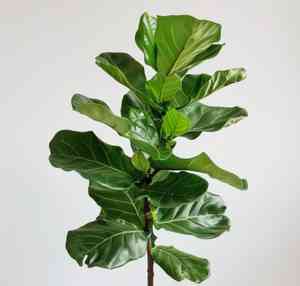
Fiddle-leaf figs thrive with consistent nutrient application every 4-6 weeks throughout their active growth phase (spring and summer).
2
A well-balanced plant food, containing equivalent proportions of nitrogen, phosphorus, and potassium, encourages robust development.
3
Refrain from feeding your plant during colder months to prevent excessive nutrient build-up and possible harm to the roots.
Deciphering the Fertilization Requirements of Your Fiddle-leaf Fig
The Importance of Adequate Nourishment
Appropriate nourishment is vital for the overall health and visual appeal of your Fiddle-leaf fig. These exotic plants demand a well-rounded diet to flourish, similar to human needs. Fertilizing delivers crucial nutrients that might be absent from the soil, ensuring your plant develops robustly, lushly, and vividly. Nutrients like nitrogen, phosphorus, and potassium are particularly significant. These macronutrients support leaf formation, root expansion, and general plant vitality. Without proper sustenance, your Fiddle-leaf fig may weaken and become susceptible to ailments.
Recognizing Nutritional Deficiencies
Identifying nutrient deficiencies in your Fiddle-leaf fig is essential for preserving its well-being. Common indicators include yellowing foliage, stunted development, and brown patches. Yellow leaves often signal a lack of nitrogen, while phosphorus shortages can result in dark, purplish discoloration on the plant. Brown spots might point to a potassium deficiency. By understanding these cues, you can promptly address nutritional issues and adjust your feeding regimen accordingly.
Selecting the Optimal Fertilizer for Your Fiddle-leaf Fig
Fertilizer Varieties: Organic versus Synthetic
Fertilizers are categorized into two main types: organic and synthetic. Organic fertilizers, such as compost or vermicompost, gradually release nutrients into the soil, enhancing soil structure and health over time. They are eco-friendly and minimize the risk of over-fertilization. Synthetic fertilizers, conversely, offer immediate nutrient availability and are straightforward to apply. However, excessive use can sometimes lead to a salt accumulation in the soil. Both types have their merits, and your choice depends on your preferences and cultivation methods.
Key Nutrients for Robust Development
To ensure your Fiddle-leaf fig experiences healthy growth, prioritize fertilizers that supply essential nutrients:Nitrogen (N) for lush foliage developmentPhosphorus (P) for strong root formationPotassium (K) for overall plant vigor A balanced fertilizer, such as a 10-10-10 or 20-20-20 mix, guarantees your plant receives sufficient quantities of these critical nutrients. Furthermore, micronutrients like iron and magnesium also contribute to the plant's dense leaves and vibrant coloration.
Optimal Practices for Fertilizing Fiddle-leaf Fig
When to Administer Fertilizer: Timing is Key
Timing is crucial when feeding your Fiddle-leaf fig. The ideal time to apply fertilizer is during the plant's active growth periods, specifically spring and summer. Fertilizing every 4-6 weeks during this timeframe ensures a consistent supply of nutrients to support new growth. Refrain from fertilizing in winter when the plant's growth slows, as this can lead to over-fertilization and harm.
Quantity to Use: Avoiding Excessive Fertilization
Using the correct amount of fertilizer is vital to prevent over-fertilization, which can cause root damage and other plant problems. Adhere to the recommended dosage on the fertilizer packaging, and it's always safer to be conservative by using a slightly reduced amount. For a 10-inch (25 cm) pot, a good general guide is to use approximately half a teaspoon (2.5 ml) of balanced fertilizer per application.
Application Methods
Proper application techniques ensure the fertilizer is efficiently absorbed by the plant. Here are key methods:Dilute liquid fertilizers in water according to instructions and evenly irrigate the soil.For granular fertilizers, gently incorporate them into the topsoil and water thoroughly to help nutrients reach the roots.Be sure to spread the fertilizer uniformly around the plant's base to prevent concentrated doses that could harm roots.
Seasonal Fertilizing Advice for Fiddle-leaf Fig
Spring and Summer Maintenance
Spring and summer represent the primary growth seasons for the Fiddle-leaf fig. Fertilize every 4-6 weeks during these periods to encourage robust growth. If you observe new leaves appearing or the plant growing rapidly, it indicates effective nutrient uptake, and the fertilization schedule should be maintained.
Winter Care: To Feed or Not?
During winter, the growth of Fiddle-leaf figs naturally decelerates. It is generally advisable to refrain from fertilizing during this time to avoid nutrient accumulation in the soil. Instead, concentrate on proper watering and sustaining ideal indoor conditions. If your home is very dry, consider boosting humidity around the plant to replicate its tropical origins.



