Optimal Fertilizer for Growing Council tree: What You Need to Know
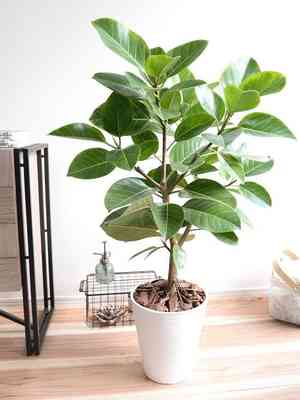
1
Council tree flourishes in soil that drains effectively and benefits from consistent nutrient provision during its active growth phase.
2
Excessive fertilization can damage the Council tree, causing root damage and various health problems.
3
Employing a controlled-release fertilizer can guarantee a continuous nutrient supply throughout the spring season.
Grasping the Nutritional Requirements of Council tree
Significance of Nitrogen, Phosphorus, and Potassium
The vital nutrients for the Council tree include nitrogen (N), phosphorus (P), and potassium (K). Nitrogen is key for robust foliage development, phosphorus aids root growth, and potassium boosts overall plant strength and disease resistance. Ensuring a balanced supply of these nutrients helps the tree maintain its vibrant leaves and strong health.
Recognizing Nutrient Deficiencies in Council tree
Identifying signs of nutrient shortages is crucial for proper plant care. Yellowing leaves often signal a lack of nitrogen, while poor root development can indicate a phosphorus deficiency. If leaves appear scorched or have brown edges, it might be due to insufficient potassium. Regularly inspect your Council tree for these indicators to customize its fertilization needs.
Selecting the Appropriate Fertilizer for Council tree
Synthetic vs. Organic Fertilizers
There are two primary types of fertilizers: synthetic and organic. Synthetic fertilizers deliver immediate nutrients but can cause temporary nutrient surges and potential root damage if overused. Organic fertilizers release nutrients slowly, enhancing soil structure and providing lasting benefits. Each type has its advantages, but a combined approach often works best for maintaining healthy Council trees.
Recommended NPK Ratio for Council tree
For optimal growth, the suggested NPK ratio for Council tree is typically 10-10-10 or 14-14-14. This balanced blend ensures the tree receives an equal supply of nitrogen, phosphorus, and potassium. A slow-release granular fertilizer can be particularly beneficial, gradually supplying necessary nutrients throughout the growing season.
Optimal Practices for Fertilizing Council tree
When to Fertilize Your Council tree
The ideal time to fertilize your Council tree is in spring, right as the growing season commences. This timing ensures the tree gets the nutrients it needs for new growth and development. Avoid fertilizing in late fall or winter, as this can stimulate growth when the tree should be conserving energy.
How Often to Apply Fertilizer
Fertilizing your Council tree every 4-6 weeks during the growing season is generally recommended. However, this frequency can vary based on the fertilizer type used. Slow-release fertilizers might only need one or two applications per season, whereas liquid fertilizers might be applied more often. Always follow product instructions for best results.
Applying Fertilizer: Step-by-Step Guide
Water the soil around your Council tree thoroughly a day before applying fertilizer.Measure the recommended amount of fertilizer (check the packaging for details).Spread the fertilizer evenly around the base of the tree, avoiding direct contact with the trunk.Gently rake the fertilizer into the top layer of soil.Water the area again to help the fertilizer penetrate the soil.
Monitoring Council tree After Fertilization
Observing Growth and Health
After fertilizing, keep an eye on your Council tree for signs of improved growth and vitality. Look for brighter leaves, stronger new shoots, and overall enhanced health. Regularly examining the tree helps identify any issues early and allows for prompt action if the plant doesn't respond as expected.
Adjusting Fertilization Techniques If Needed
If you notice any negative effects, such as leaf burn or stunted growth, it may be necessary to modify your fertilization approach. Reducing the amount or frequency of fertilizer or switching to a different type can often resolve these issues. Tailor your fertilization strategy based on your tree's specific needs and responses to ensure its long-term health.



