Optimal Fertilizer for Growing White wood aster: What You Need to Know
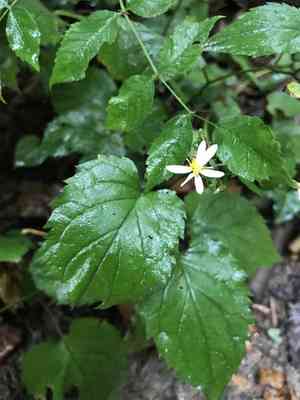
1
To encourage robust development, feed White wood aster in early spring prior to the emergence of new foliage.
2
Distribute granular feeds uniformly around the plant's base and ensure thorough watering afterward.
3
Observe foliage hue and growth speed to assess the efficacy of your feeding regimen.
Understanding Fertilizer Needs of White wood aster
The Nutritional Requirements of White wood aster
To ensure your White wood aster flourishes, it's crucial to grasp its dietary needs. This plant prefers a balanced feed that supplies vital nutrients like nitrogen, phosphorus, and potassium. Nitrogen promotes robust leaf and stem development, phosphorus aids root growth and flower production, and potassium boosts overall plant vigor and disease resistance. Employing a feeding strategy that meets these specific demands will help you achieve a lush and healthy specimen.
Signs of Nutrient Deficiency in White wood aster
Even with consistent care, plants can sometimes exhibit indications of nutrient shortages. If your White wood aster's leaves are yellowing, particularly older ones, this might signal a nitrogen deficit. Stunted development and poor blooming could suggest insufficient phosphorus, while potassium deficiency often manifests as browning and curling leaf edges. Regularly inspecting your plant for these symptoms can help you modify your feeding plan and ensure your plant remains healthy and vibrant.
Choosing the Right Fertilizer for White wood aster
Types of Fertilizers Suitable for White wood aster
When selecting a plant food for your White wood aster, you have options among granular, liquid, and slow-release forms. Granular fertilizers deliver nutrients gradually and are simple to apply. Liquid fertilizers provide a rapid nutrient boost and are excellent for foliar feeding. Slow-release fertilizers break down slowly over time, offering a consistent supply of nutrients. For optimal results, choose a well-balanced, general-purpose fertilizer with an N-P-K ratio around 10-10-10 or 14-14-14.
Organic Versus Synthetic Fertilizers for White wood aster
Both natural and artificial fertilizers can benefit White wood aster, but each has advantages and disadvantages. Organic fertilizers such as compost and aged manure enhance soil structure and provide a slow, steady release of nutrients. They are also eco-friendly and minimize the risk of nutrient runoff. Synthetic fertilizers, conversely, deliver nutrients more quickly and are often more concentrated, but they may contribute to soil degradation over time. Consider using a combination of both to balance immediate plant requirements and long-term soil health.
Optimal Fertilizing Techniques for White wood aster
When and How Often to Fertilize White wood aster
The ideal time to fertilize White wood aster is in early spring, just before new growth emerges. This timing provides the plant with the necessary nutrients as it awakens from dormancy and begins its active growth phase. For established plants, fertilize once at the start of spring and again in mid-summer. Avoid over-fertilizing, as too much can lead to excessive foliage at the expense of blossoms. Always adhere to the manufacturer's guidelines regarding the quantity and frequency of application.
Application Methods for Fertilizing White wood aster
There are several effective ways to fertilize White wood aster. Granular fertilizers should be spread evenly around the plant's base, being careful to avoid direct contact with stems to prevent scorching. Once applied, water thoroughly to help dissolve the granules and release nutrients into the soil. For liquid fertilizers, dilute according to package directions and apply to both the soil around the plant and directly to the leaves for rapid absorption. Slow-release fertilizers can be mixed into the soil during planting or top-dressed around mature plants.
Monitoring and Adjusting Fertilization for White wood aster
Observing Plant Response and Adjusting Fertilization Strategy
After feeding, it's vital to observe your White wood aster to ensure it's responding favorably. Robust growth, vibrant green foliage, and abundant blooms indicate a successful feeding approach. If you notice any signs of nutrient deficiency or over-fertilization, such as leaf discoloration or stunted development, it may be necessary to modify the type or amount of fertilizer you're using. Regular soil analysis can also help you determine if additional nutrients are required.
Seasonal Considerations in Fertilizing White wood aster
The seasonal timing of feeding is crucial for the health of your White wood aster. As previously mentioned, early spring is the optimal time to begin fertilizing. During the growing season, continue to fertilize regularly but decrease the frequency as the plant prepares for dormancy in the fall. Avoid fertilizing late in the season, as this can encourage new growth that may be damaged by frost. Always adapt your feeding schedule to the specific growing conditions and needs of your plant.



